|
Getting your Trinity Audio player ready...
|
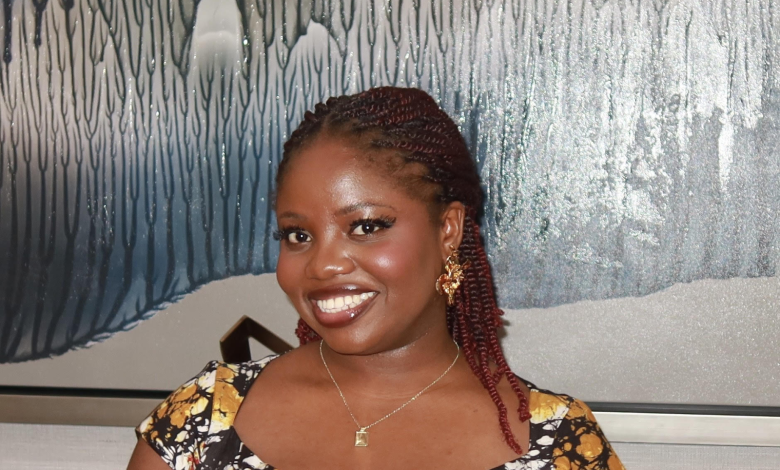
Treasure Affia is a feminist and sex educator whose work centres on culturally grounded sexuality education, mental health advocacy, and feminist community building across Africa. She shares her journey to feminism, the gaps in sex education, and why healing must be collective with Naija Feminists Media.
- Can you tell us about yourself? What do you do?
My name is Treasure Affia. I am a feminist, sex educator, writer, and community organiser. I am the founder of The Feminist Code, a Pan-African feminist initiative focused on culturally rooted feminist and sexuality education, mental health advocacy, mentorship, and feminist publishing through Herlore Magazine.
My work sits at the intersection of education, healing, and liberation. I design workshops for young people and teachers, lead feminist book clubs and mentorship programs, and build platforms that centre Black and Global South women’s voices. I am also developing a sexuality education institute that prioritises trauma-informed, culturally responsive approaches to sex education, particularly for Global South communities.
At the core of everything I do is a commitment to making knowledge accessible, restoring dignity to conversations about bodies and desire, and creating spaces where women and girls feel seen, safe, and empowered.
- When and how did you personally come to feminism?
I did not arrive at feminism through theory first. I arrived through lived experience.
Growing up in Nigeria, I witnessed how silence around sex, shame around bodies, and rigid gender expectations shaped girls’ lives. I saw how misinformation was passed down as protection, and how girls were taught fear long before they were taught agency.
My feminist consciousness deepened as I began studying psychology and gender studies, but it was also shaped by community work, by listening to young girls describe their confusion and fear, and by realising how often women are expected to endure quietly. Feminism became the language that helped me make sense of these patterns and the framework through which I learned that healing and justice must be collective.
- What issues affecting women and girls are you most focused on right now?
Right now, I am most focused on comprehensive sexuality education, mental health access, and gender-based violence prevention.
Across many African communities, sex education is either absent or rooted in fear-based messaging. This leaves girls unprepared to navigate consent, boundaries, pleasure, or safety. At the same time, mental health remains deeply stigmatised, even as young women carry the weight of trauma, academic pressure, economic instability, and cultural expectations.
These issues are interconnected. When girls lack accurate information about their bodies, when they are taught silence instead of self-advocacy, and when emotional distress is minimised, vulnerability increases. Addressing these challenges requires education that is medically accurate, culturally grounded, and centred on dignity.
- From your perspective, which law, policy, or systemic change should be prioritised?
I believe comprehensive, age-appropriate sexuality education should be formally integrated into school curricula, supported by national policy and educator training.
This education must go beyond anatomy. It should include consent, boundaries, emotional literacy, healthy relationships, and access to support resources. Teachers must also be equipped with trauma-informed tools so they can respond to disclosures safely and responsibly.
Policy alone is not enough. Implementation matters. Community engagement, parental education, and culturally sensitive frameworks are essential if this work is to succeed and reach those who need it most.
- What does feminist solidarity and collective action look like to you?
Feminist solidarity means choosing collaboration over competition and care over perfection. It looks like creating room for many voices, honouring different experiences, and understanding that liberation is not a solo project.
Collective action happens when we share resources, amplify each other’s work, and build institutions that outlive us. It is found in mentorship, in community conversations, and in showing up even when progress feels slow.
To younger feminists, I would say this: your voice matters, even when it shakes. Learn your history. Protect your softness. Build community. Rest when needed. And remember that feminism is not only resistance. It is also joy, imagination, and the radical belief that we deserve better.