Gelentine Day: 5 African Books That Celebrate Female Relationships
|
Getting your Trinity Audio player ready...
|
Summary: While the world celebrates heterosexual love on Valentine’s Day, Naija Feminists Media highlights books that celebrate female friendship, showing it is equally a powerful and awesome kind of love.
In African literature, the most endearing stories are not the typical romance between a man and a woman. They’re the ones that unfold in female hostels, hair salons thick with the smell of relaxer, market stalls, women who contribute “ajo” to rescue one another from debt, and the cramped city apartments where three women split rent and dreams in equal measure. This February, Naija Feminists Media (NFM), in the spirit of the love month, curates a reading list that spotlights female friendship, loyalty, and support in African literature. Interestingly, these books are also written by powerful authors who refuse to remain silent about patriarchal African structures. They use writings to advocate for women’s autonomy, rights, dignity, and equal power in societies structured by patriarchy. Below is the curated reading list.
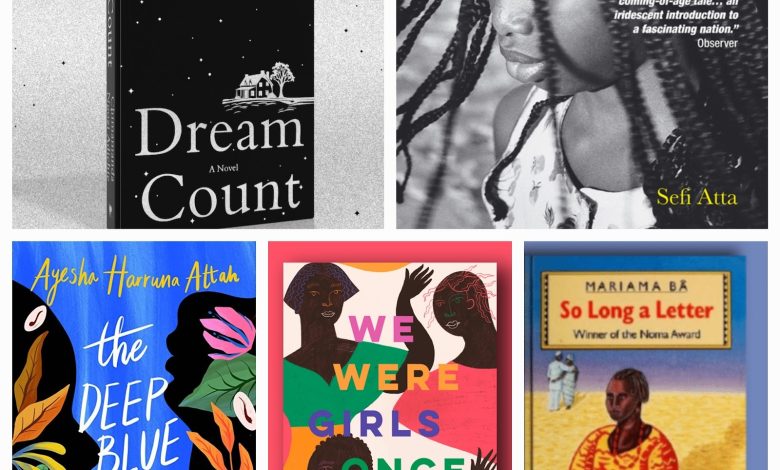
- Dream Count — Chimamanda Ngozi Adichie
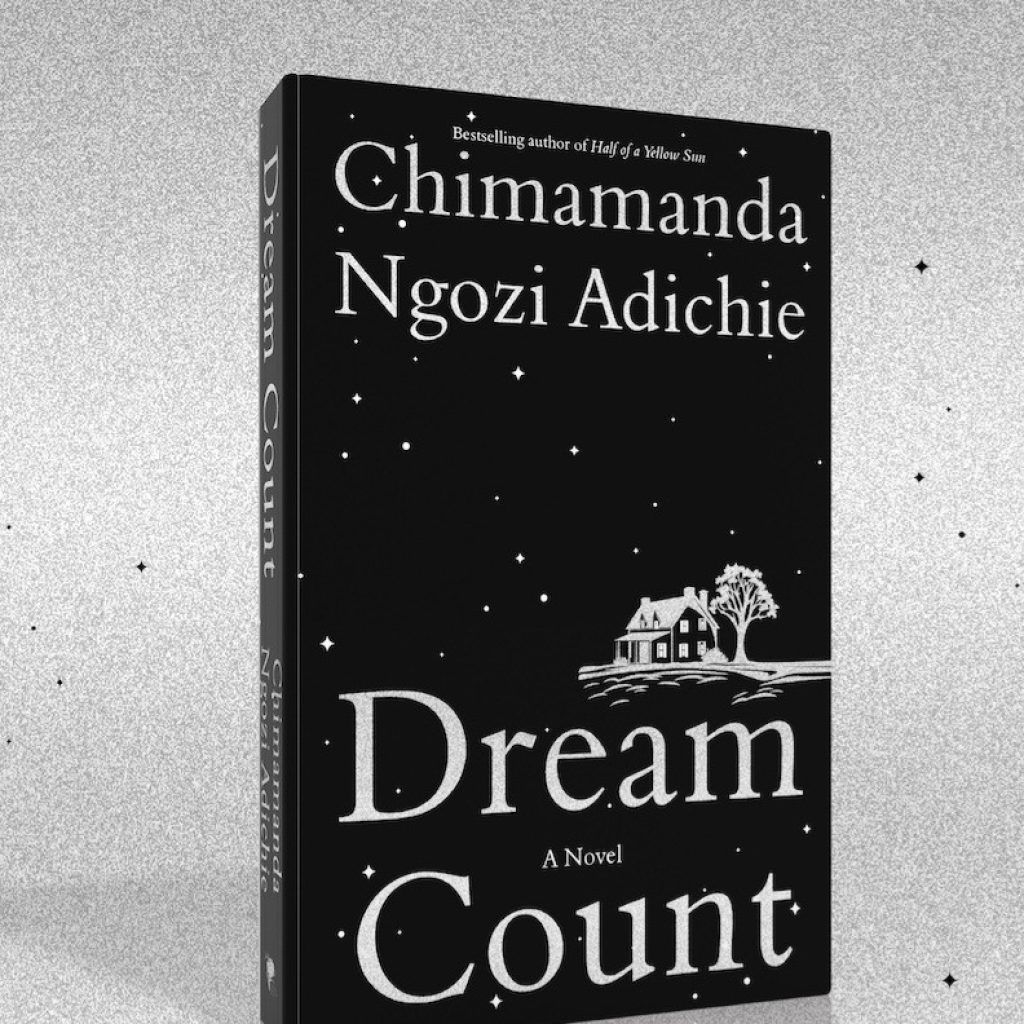
Chimamanda Ngozi Adichie is a renowned feminist author who consistently uses her writings to challenge patriarchal policies and systems. In her recent novel, Dream Count, she presents female friendship as a protective foundation that offers stability, growth, and intimacy that romantic relationships can never give. The novel spotlights the stories of four women – Chiamaka, Zikora, Omelogor, and Kadiatou— who come from different backgrounds. But their solidarity, support, and love for each other act as a source of strength, enabling them to survive societal pressures and personal hardships. Through deep conversations, the women share their fears and insecurities, creating a safe space to be vulnerable. Their bond and friendship highlight how female friends are often more attuned to each other’s emotions than to their own, providing a necessary mirror and support system during crises. The novel suggests that true intimacy is found in these bonds rather than with men, who often fail to fulfil the characters’ needs. Read our full book review here.
- Everything Good Will Come — Sefi Atta
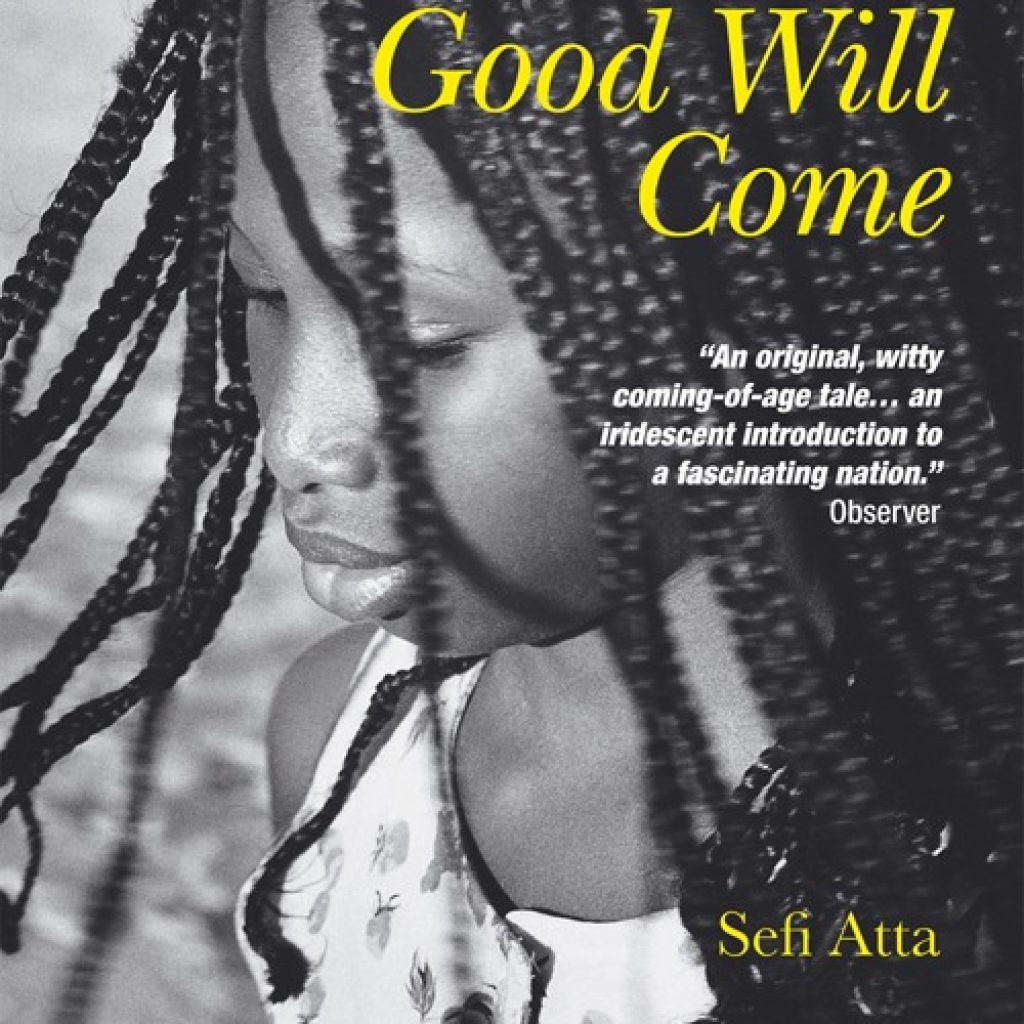
In Everything Good Will Come, Sefi presents female friendship not merely as a social bond, but as a radical act of political and personal resistance. The two women, Enitan Taiwo and Sheri Bakare, serve as feminist voices against the harrowing experiences of living in a patriarchal society. Enitan is raised in a middle-class, Western-educated home, while Sheri comes from a polygamous Muslim household. The bond between them highlights how women support each other, offering a raw, lived-in courage to defy patriarchal structures and societal expectations. For instance, Enitan encouraged Sheri to start a catering business, which made her leave the degrading role of being a mistress to a high-ranking military official. She later achieved financial autonomy.


On the flip side, the women’s bond and early experiences empower Enitan to leave an unfulfilling marriage, choosing her own sanity and the collective goals of her female peers over traditional domesticity. Ultimately, Sefi used their friendship to argue that “silence should never be a choice for women because it’s enforced subjugation on them.”
- We Were Girls Once — Aiwanose Odafen
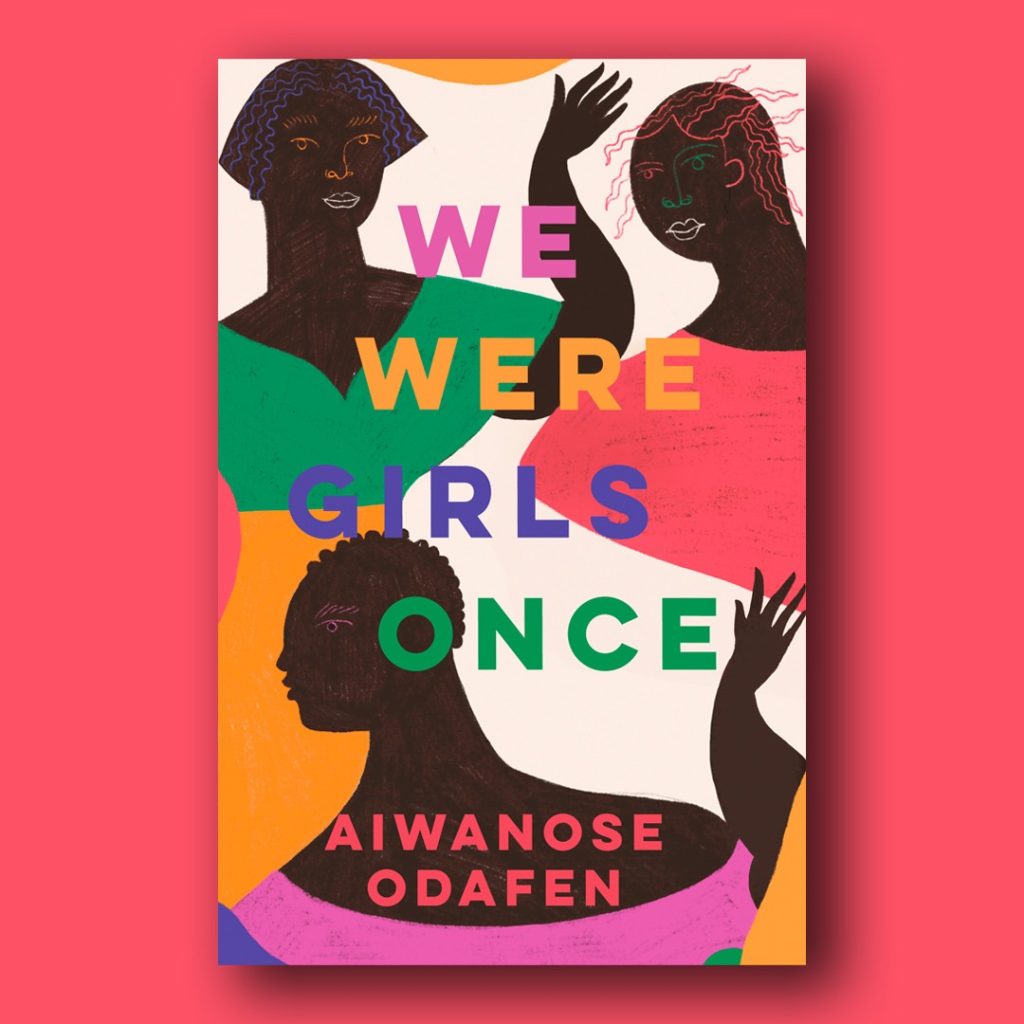
The friendship between the three protagonists—Ego, Zina, and Eriife- is not a chance encounter like their grandmothers’ (Uju, Chinelo, and Adaugo) in the first novel, Tomorrow I Become A Woman.” It’s a generational sisterhood that provides a sense of belonging, healing and duty. Although the friends drift apart due to migration (Ego moved to London), career changes (Zina’s acting and Eriife’s medical-to-political shift), and personal choices that create cracks in their connection. Their bond becomes more evident in times of crisis; Zina stands by Ego when she confronts the pastor who defiled her, while Ego provides emotional stability for Zina during her conflicts with her mother. Both women stayed with Eriife when she went through the ordeal of losing her child and the problematic Nigerian political system. Ultimately, Aiwanose Odafen emphasised that solidarity among women is a tool of survival in a system that often seeks to set women against each other.
4. So Long A Letter — Marima
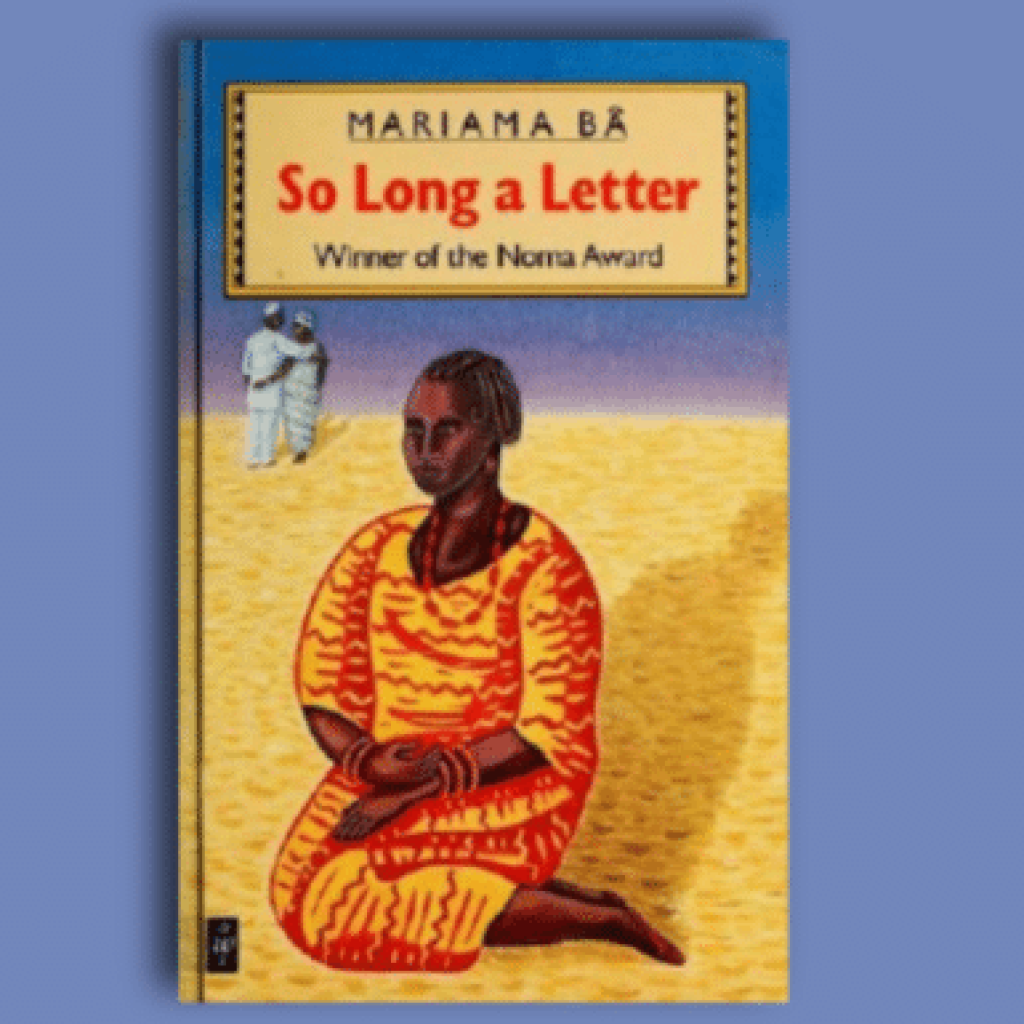
In Mariama Bâ’s epistolary novel, So Long a Letter, she repeatedly emphasised “female friendship is the ultimate antidote to women’s liberation and resistance against patriarchal cultural norms. The entire book is a long letter from Ramatoulaye to her lifelong friend, Aissatou. Their bond began in childhood and became solidified at the teacher training college. Through the letters, Aissatou became Ramatoulaye’s safe space, where she shared her grief and anger. Mariama used Ramatoulaye and Aissatou to contrast the toxic or exploitative relationships often found between co-wives (like Binetou and Ramatoulaye). Their bond proves that the most stable and honest relationship in a woman’s life can be with another woman, rather than a man.
5. The Deep Blue Between — Haruna Attah
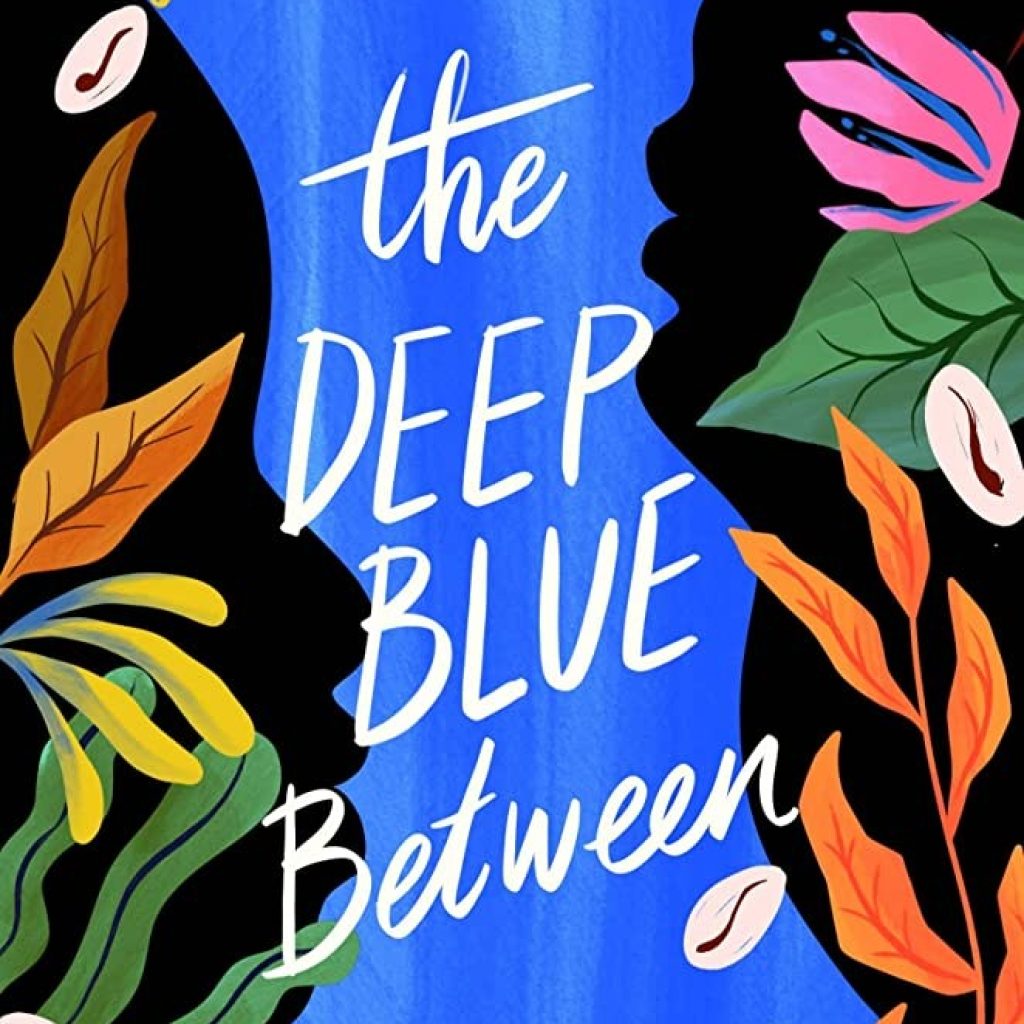
The unbreakable bond between the twin sisters, Hassana and Husseina, who are separated as children after a raid on their village, portrays a friendship and sisterhood that transcends physical boundaries, slavery, and the vastness of the Atlantic Ocean. Despite being thousands of miles apart, the sisters remain connected through shared dreams of water. This spiritual sisterhood acts as a primary motivator, fueling their individual journeys to find one another again. Their rejection of marriage proposals to pursue their own destinies and reunions reflects that women can still be happy without men or domestic submission.