|
Getting your Trinity Audio player ready...
|
A new United Nations report has revealed that approximately 47,000 women and girls were killed by male intimate partners or family members in 2025, an average of 129 deaths every day, or five every hour. The findings, released on November 24 ahead of the International Day for the Elimination of Violence Against Women, expose the continued scale of femicide globally, with Africa recording the highest regional number of killings.
According to the United Nations report, published by the United Nations Office on Drugs and Crime (UNODC) and UN Women, the 47,000 deaths represent approximately 60 per cent of the 78,000 women and girls who were victims of intentional homicide worldwide in 2025.
The findings are based on data from 122 countries and territories. They show that women continue to face the greatest danger from people, mostly men within their immediate social circles, including husbands, boyfriends, former partners and family members. The report’s findings challenge the persistent perception that male violence against women is primarily perpetrated by strangers, because thousands of women and girls, the people responsible for their deaths were individuals with whom they shared homes, relationships and family ties.
Africa recorded approximately 22,100 women and girls killed by male intimate partners or family members in 2025, the highest regional figure globally. Asia followed with 15,100 deaths, the Americas recorded 7,400, Europe 2,100, and Oceania 300. The findings, also reported by Deutsche Welle (DW), show that femicide remains a global crisis. The report notes that femicide rates have declined more slowly than general homicide rates, particularly in the Americas and Europe. This points to the barriers preventing women from accessing justice and protection, alongside harmful social norms and gender stereotypes that enable violence against women.


The UNODC Executive Director Monica Juma said,
“Frightening attitudes, social norms, and the failure of institutional safeguards create an environment in which killing a wife, daughter, mother, or sister becomes ‘tolerable’.”
She called for sustained action to change societal attitudes, strengthen prevention strategies and introduce specialised interventions targeting perpetrators of domestic violence. The findings also looked at the extent of violence experienced by women before their deaths. According to the report, nearly one in three women worldwide have experienced physical or sexual violence, while a separate UN Women report found that only seven per cent reported such violence to the police.
The global findings come with Nigeria’s continual femicide crisis, where women and girls are killed in circumstances involving intimate partner violence, family violence, sexual violence and other forms of gender-related violence.
According to the DOHS Cares Foundation’s Femicide Documentation Report, its Femicide Observatory documented 150 deaths in Nigeria in 2024, recorded across 136 reported cases. The foundation’s documentation also recorded 52 cases in the first quarter of 2025 and 88 cases by the first half of that year. More recent figures published by the foundation in October 2026 indicate that it documented more than 200 victims in 2025, while its ongoing tracking had recorded 102 victims by September 2026.
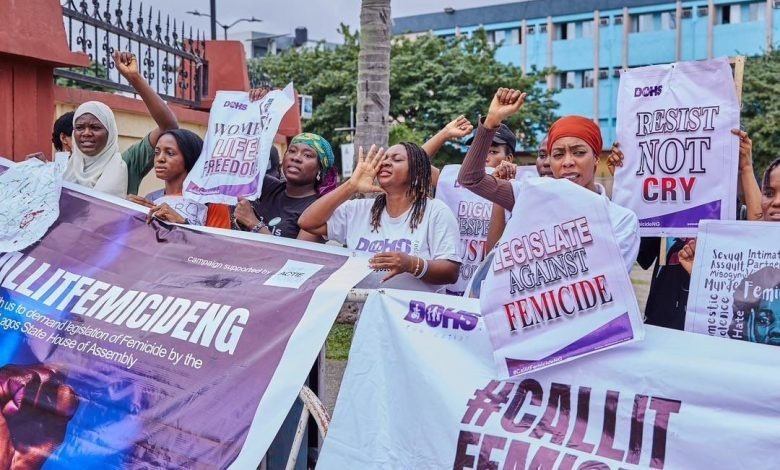
The foundation has repeatedly raised concerns about the absence of an official, coordinated national system for documenting femicide in Nigeria. In its October 17 publication, On Nigeria’s Concerns Over UN Femicide Data, DOHS Cares noted that the Nigerian government does not publish official femicide statistics, leaving its observatory as the country’s principal comprehensive source of documented cases.
The organisation has also called for legislation specifically recognising femicide, a national femicide data registry and coordinated protection mechanisms for women and girls. Its documentation illustrates the violence behind the numbers. In its 2024 records, methods of killing included stabbing, beating, strangulation, poisoning, rape and other forms of extreme violence. These killings are not adequately addressed by treating them as isolated domestic incidents. The circumstances in which women are murdered, the relationships between victims and perpetrators, and the repeated failures to intervene before violence escalates demand a response that recognises femicide as a gendered form of violence.
The release of the UN findings comes as the world prepares to mark the International Day for the Elimination of Violence Against Women on November 25, which also begins the annual 16 Days of Activism Against Gender-Based Violence campaign, running until December 10. For the 2026 campaign, UN Women has announced the theme: Ensure justice, protect survivors, end impunity.
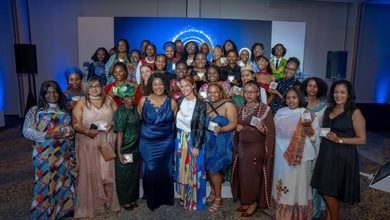
As part of activities marking the campaign, UN Women has also organised a memorial installation at the United Nations Headquarters in New York, featuring 129 orange flags representing the average number of women and girls killed every day by intimate partners or family members. The installation brought together 129 women in remembrance of those killed.
The organisation’s message is that femicide is neither inevitable nor a private matter. Its prevention requires identifying warning signs, protecting women experiencing violence and ensuring perpetrators are held accountable. However, with 47,000 women and girls killed in a single year by people within their intimate and family circles, the latest findings demonstrate how far existing prevention and accountability systems remain from protecting women’s lives.
Nigeria, where the government’s failure to establish a national femicide registry continues to leave documentation largely to civil society organisations, the findings also reinforce the urgency of recognising femicide in law and building systems capable of preventing these deaths rather than documenting women only after they have been killed.