|
Getting your Trinity Audio player ready...
|
Summary: Uche Olivia, a visually impaired nurse, said she was denied reasonable accommodations during an entrance exam at a federal nursing school in Enugu. Advocates say the incident violates Nigeria’s disability laws and reflects wider discrimination in the education system.
In Nigeria, losing one’s sight often comes with more than blindness. Many visually impaired people also lose respect, fairness, and access to opportunities. In exam halls, hospitals, and public offices, they are often denied basic support, mocked when they ask for help, and pushed aside in ways others do not experience.
This is not just about bad luck or personal hardship. It shows how a system treats disability as a problem, instead of recognising it as a rights issue.
Uche Olivia’s Experience
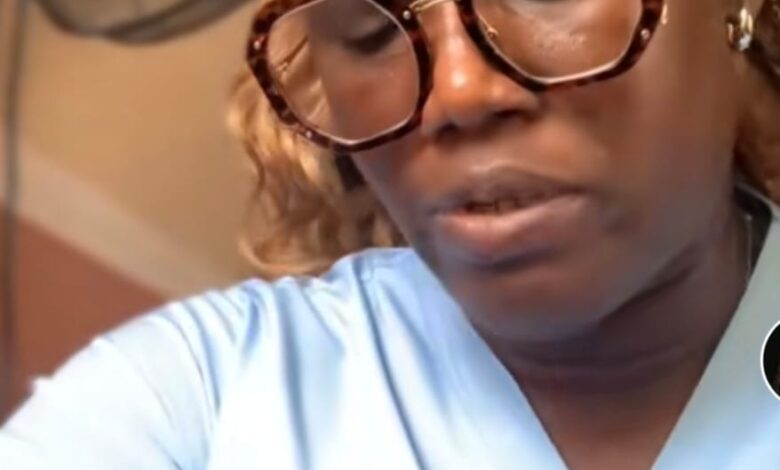
Uche Olivia is a registered nurse who got her license in 2022. In October 2024, she was diagnosed with optic nerve atrophy, a condition that causes serious loss of sight. Despite this, she wanted to further her education by specialising in mental health nursing.
In 2025, a video she shared online went viral. In the video, Uche said the Federal Neuropsychiatric School of Post-Basic Mental Health Nursing in Enugu failed to support her during its entrance examination.
Before the exam, Uche officially asked for help such as large-print question papers, a reader, or extra time. She also reminded the school again a few days before the exam.
On the exam day, she arrived before 8:00 a.m., but accreditation did not start until two hours later. The exam itself did not begin until around 5:00 p.m. She said this showed poor organisation and wasted time.
Even though she repeatedly explained her visual impairment, no support was given. During the exam, when she asked for help, an examiner reportedly told her, “If you knew you could not read, why did you come to school or apply?” Uche said this comment made her break down in tears.
She later met the provost and tried to show her medical report, but she said she was dismissed and told to “answer the ones you can see and leave the rest.”
Feeling embarrassed and unfairly treated, Uche is now applying to a more inclusive school. She is also calling on authorities to look into how people with disabilities are treated in Nigeria’s education system.
As of the time this report was published, the school had not replied to requests for comment.
What the Law Says
Nigerian law clearly forbids this kind of treatment.
The 1999 Constitution promises equal access to education and bans discrimination. The Discrimination Against Persons with Disabilities (Prohibition) Act of 2018 goes further by requiring schools to provide reasonable support for persons with disabilities.
This includes Braille or large-print materials, audio formats, approved scribes, extra exam time, quiet spaces, and assistive devices. Refusing these supports is not just wrong—it is against the law and punishable.
Disability advocate Susan Ihouma Kelechi said ignoring such cases is dangerous. She warned that if nothing is done, others could face the same treatment in the future.
Reactions from Advocates and Experts
Leaders of the Joint National Association of Persons with Disabilities (JONAPWD) strongly criticised how Uche was treated.
Its National President, Abdullahi Usman, described the incident as ignorance within a federal institution. He said the law is clear and promised that the matter would be investigated.
State leaders also spoke out. Olusegun Abiodun from Ondo State called the treatment “inhuman” and demanded quick action. Mayo Ekpomomukor from Bayelsa State said everyone has a right to education and asked the school to apologise and prevent future cases.
Lawyers and disability advocates also reacted. Felix Areo, who is visually impaired, said the school failed in its duty and should have provided alternatives like oral exams or assistive tools. Barrister Salami Abolarinwa added that although some details still need checking, the case clearly shows discrimination and denial of Uche’s rights.
Government Voices
Disability inclusion aides in Osun and Bayelsa states criticised the school’s actions. Princess Folashade Arise, Ondo State Chairperson for Welfare of Persons with Disabilities, said it was painful that such discrimination still happens today.
Why This Case Is Important
Many visually impaired Nigerians are regularly excluded from exams and professional assessments. Schools must build proper disability support systems. Professional bodies must enforce clear rules. Regulators must move beyond empty statements. The National Commission for Persons with Disabilities must take firm action.
The media also has a duty to report disability as a rights issue, not an act of charity.
When someone asks for Braille materials, assistive technology, or extra time, they are not asking for special treatment. They are asking for fairness. Until inclusive education becomes a priority, claims of progress will mean nothing. Disability does not mean inability. Exclusion does.