Reclaiming Women’s Autonomy In Krystle Zara Appiah’s Rootless
|
Getting your Trinity Audio player ready...
|
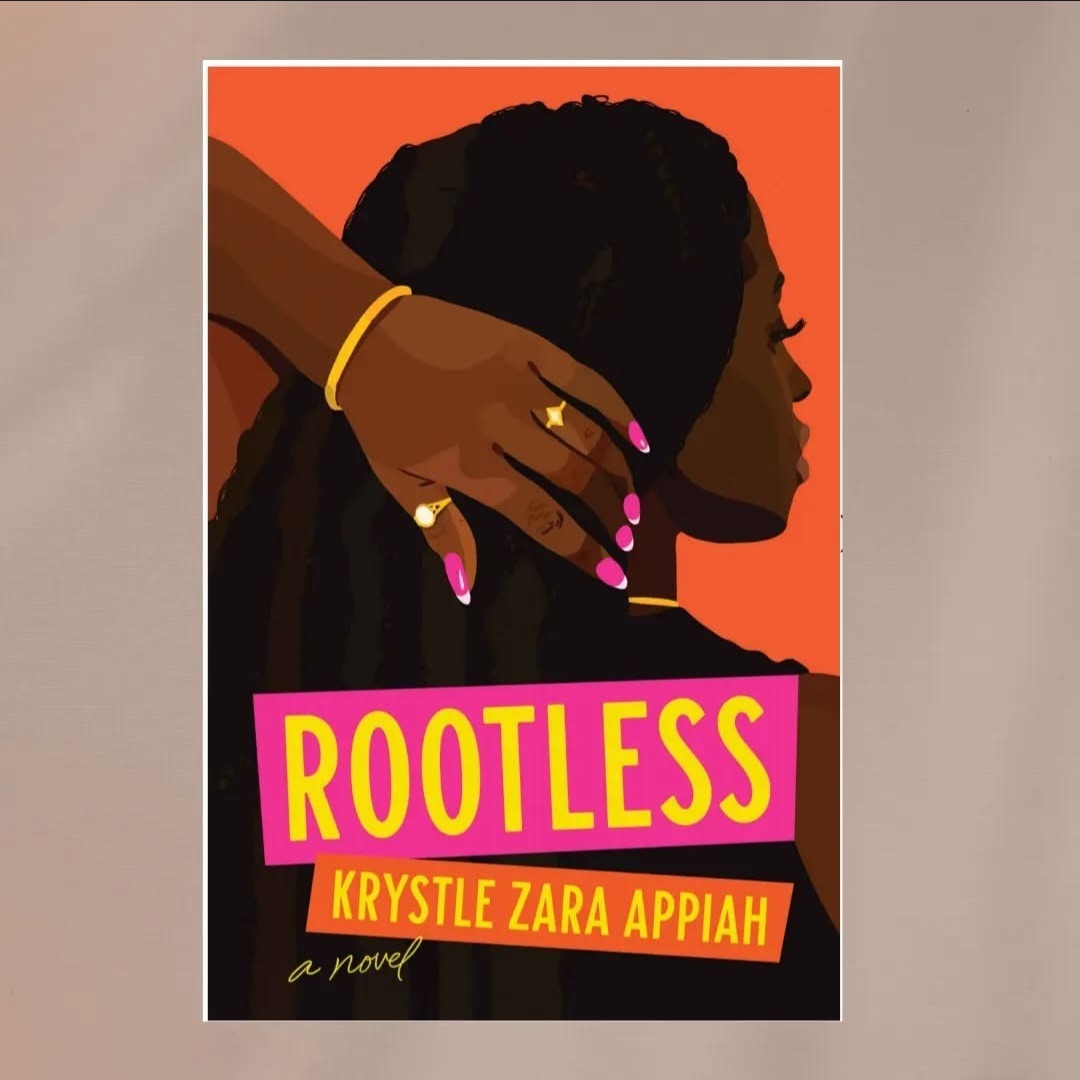
Society always regards a female’s autonomy as a mere selfish desire that must be suppressed. Thus, societal expectations, cultural norms, marriage, and motherhood are placed on her. In Rootless, Zara affirms that a woman’s right to autonomy is non-negotiable, making it a vital read of modern feminist commentary. The novel is a poignant exploration of female autonomy, the rigid roles of wife and mother dictated by patriarchal and cultural traditions, and the systemic pressures that perpetuate them.
Krystle’s Rootless follows the story of Efe and Sam, their friendship, courtship, and later marriage. Sam is a young aspiring lawyer with a clear vision of starting a family. Efe, a Ghanaian immigrant burdened by her parents’ high expectations, chooses to remain childless while seeking her own path in the art world.
The novel opens with the sudden disappearance of Efe from the UK, leaving her husband and daughter behind. This disappearance built the novel’s tension and tied it to the conflict and plot. Krystle provides an intimate and honest look at the realities of motherhood, especially the unspoken struggles of postnatal depression and the immense sacrifices women make. She masterfully deconstructs the harmful myth that motherhood is a woman’s automatic fulfilment and criticises the notion that a woman’s worth is measured by her capacity for self-sacrifice and suffering for the sake of others.
Krystle handled Efe’s postnatal depression with raw, unflinching honesty. She refuses to shame her, as society always does. Instead, she places the blame on the patriarchal society that forces women into wives and mothers, without providing necessary support, understanding, or even the basic choice to opt out. Efe’s journey also exposes how cultural expectations of being an African woman intensify pressures on women. This undue pressure is exemplified in Efe’s mother, Maame. She portrayed how patriarchal norms are often enforced by women themselves, passing down a generational legacy of suffering and sacrifice as an expected part of womanhood. Maame also embodies the internalised belief that sacrifice is inseparable from womanhood, illustrating how patriarchal norms are often policed and passed down by women themselves.
Interestingly, the novel explores how female autonomy is often viewed as a temporary luxury that ends with marriage or motherhood. Efe’s struggle is not merely with the tasks of parenting, but with the systematic erasure of her selfhood. She lives in a world that treats her body as a vessel for lineage rather than an instrument of her own will. Her desire for a professional identity is dismissed as secondary to the higher calling of motherhood.
Overall, Rootless is a pivotal feminist text that demands we witness the exhaustion of a woman forced to justify her right to exist outside of the domestic sphere.