|
Getting your Trinity Audio player ready...
|
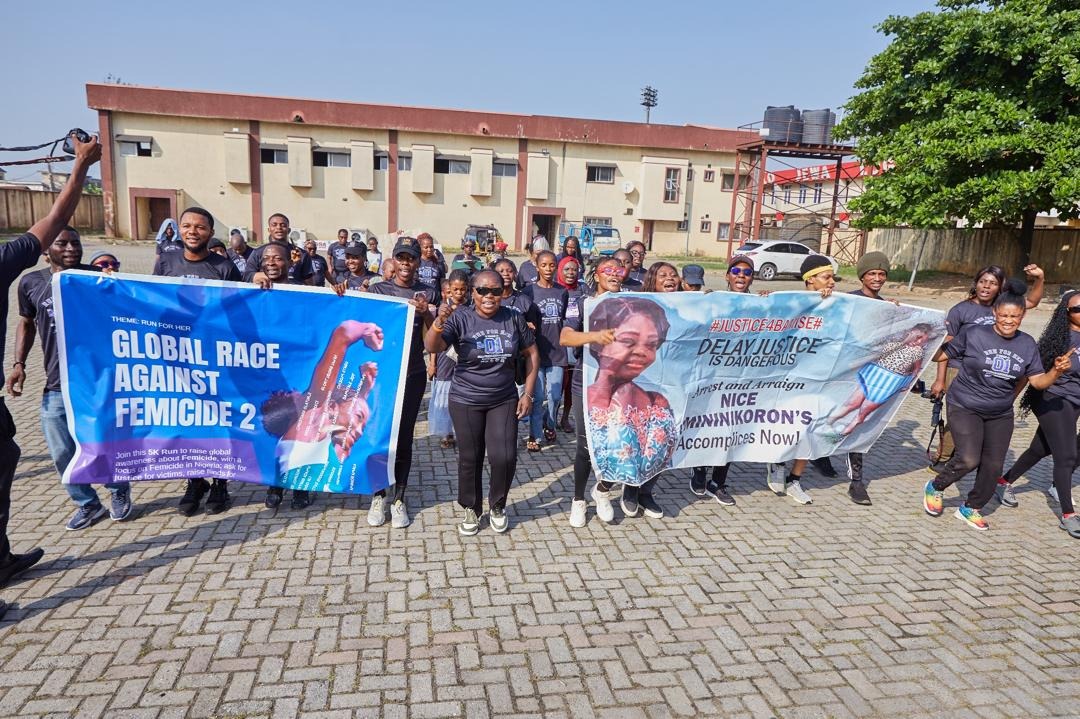
Hundreds of people gathered at Agege Stadium for the ‘Race Against Femicide,’ a public call to address Nigeria’s growing gender-based violence crisis. Organised annually by the DOHS Cares Foundation during the global 16 Days of Activism, the half-marathon united survivors’ families, lawmakers, feminists, lawyers, advocates, NGOs, CSOs, PWDs and community members to demand justice and systemic reform.
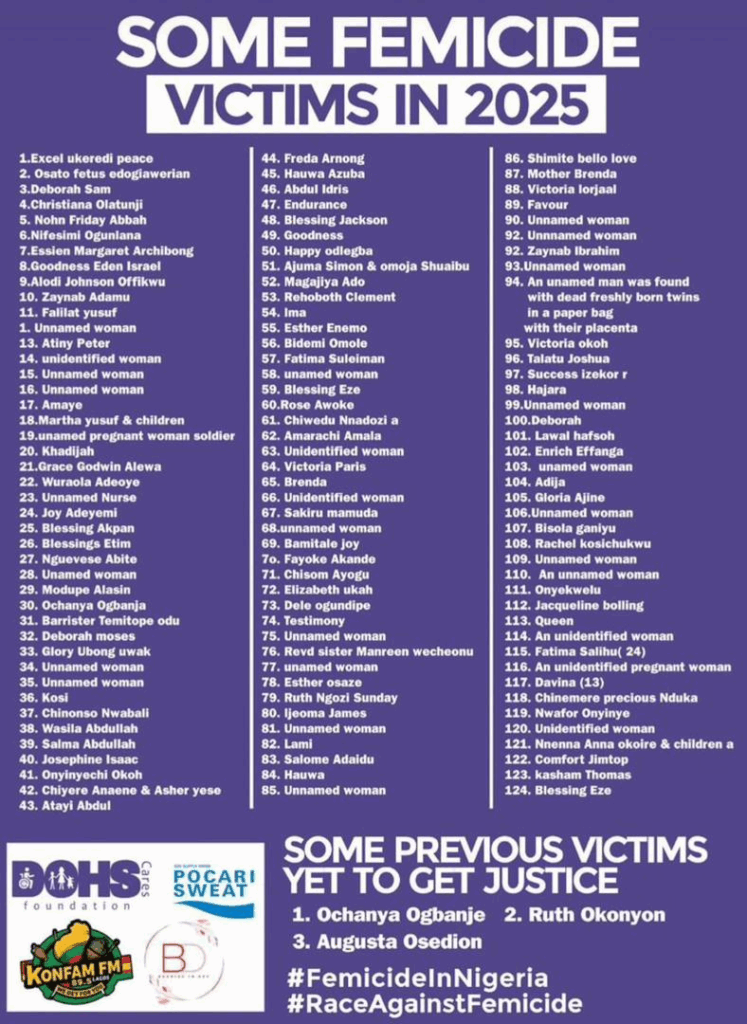
DOHS CEO Ololade Ajayi, capturing the gravity of the moment, said, “We have a femicide pandemic in Nigeria.” The organisation has documented more than 180 verified cases of femicide in 2025. Evidence shows that every 49 hours, a woman or girl is killed in Nigeria. These numbers are only a tip of the iceberg, as many cases of femicide go unnamed and unreported. Yet “less than 2% of victims have received justice,” she added,
As the event progressed, the atmosphere shifted. The race evolved into a solemn solidarity walk, with participants chanting the day’s unofficial slogan: “Stop Killing Women.”
Honouring Lives, Not Statistics
A core objective of the race was to humanise victims often reduced to numbers. The emotional height of the event came during a symbolic balloon release. This gave grieving families of the victims a platform to speak about their loved ones beyond the violence that ended their lives.

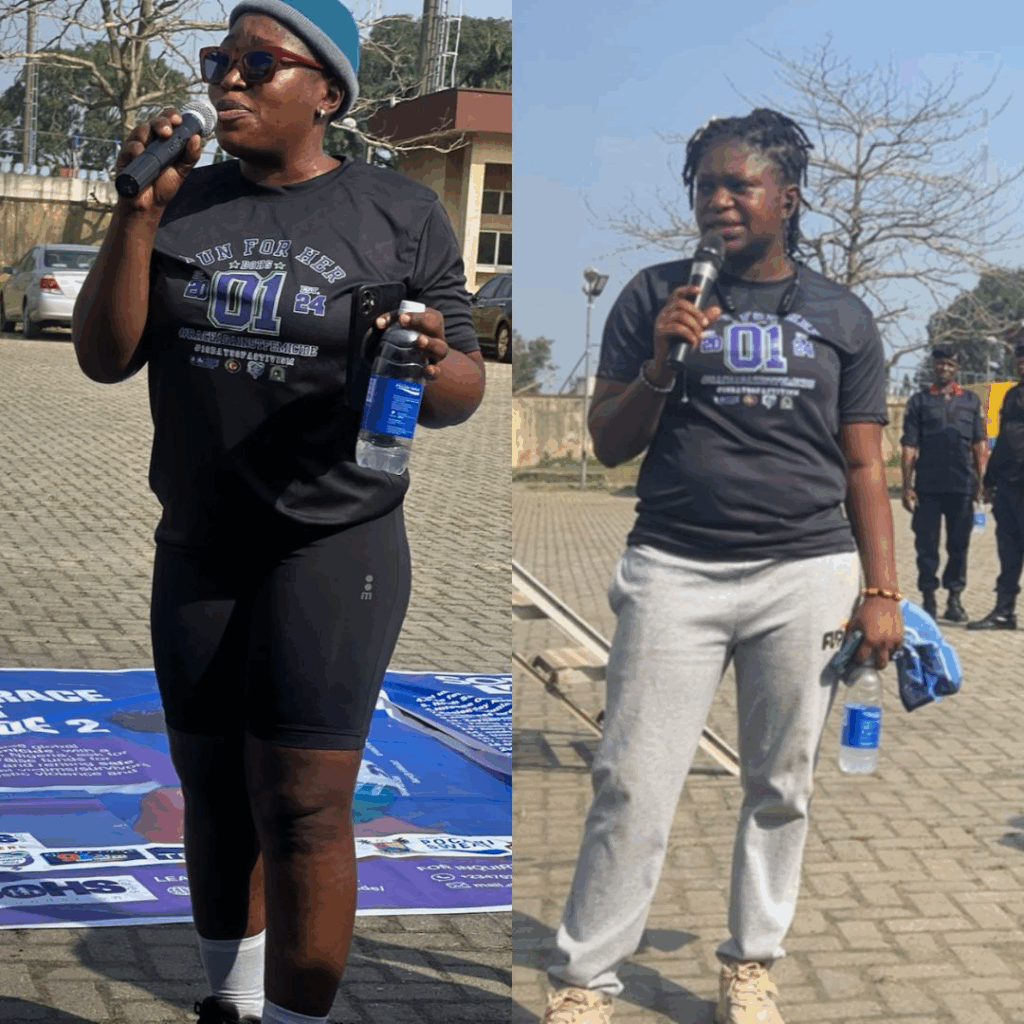
The sister of Deborah Okorie was murdered after being stabbed 22 times in her home, and this describes the unending grief her family carries. She called on the government and law enforcement to ensure stronger punishment for femicide and a swift response to cases.
Ayanwola Damilola, sister of the late Oluwabamise “Bamise” Ayanwola, delivered one of the most heart-rending tributes. She reminded participants that November 30, 2025, would mark Bamise’s 26th birthday, a milestone now observed at the cemetery instead of in celebration.
Bamise, she said, had “big dreams.” These included plans to grow her fashion design business after completing advanced classes. “She was a fighter who put up a good fight till her last breath,” Damilola said tearfully.
Damilola, who was present in the previous year’s race, noted that as of the time of the race last year, no progress had been made. But she is glad to share that Bamise’s killer was sentenced to death by hanging and received life imprisonment for the rape of another victim. Damilola said her sister’s case has spotlighted the crisis of Femicide in Nigeria and appealed to the Lagos State Government to fully implement the judgment for the sake of her ageing parents. She also joined calls for the reopening of Ochanya Ogbanje’s case and justice for “other silent victims whose families are still waiting.”
The Legislative Battlefront
Legal practitioners at the event emphasised the urgent need for political action. Barrister Abiola Kolawole of the African Women Lawyers Association (AWLA) described femicide as “a pandemic demanding firm legislation.” She revealed that her professional passion now focuses entirely on fighting femicide and supporting affected families.
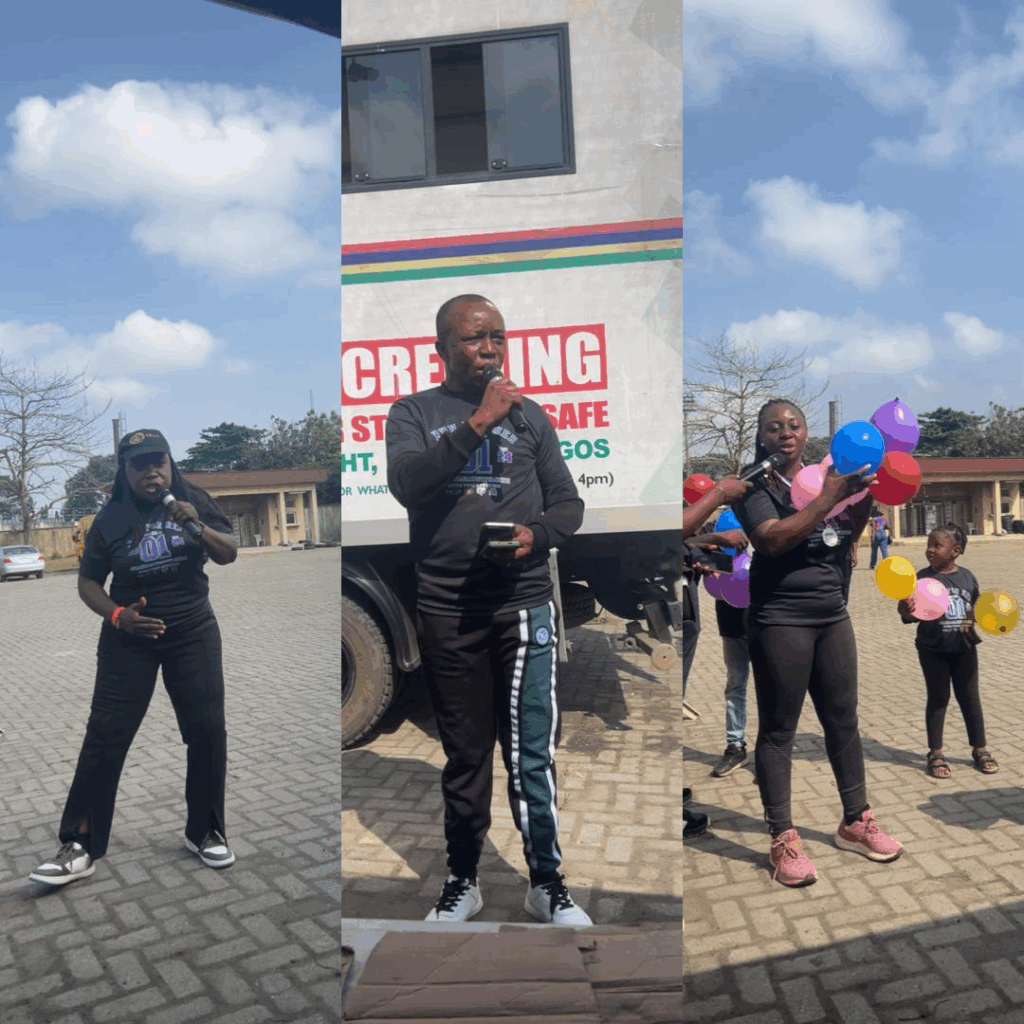
In an emotionally charged address, she pleaded with the government at all levels to clearly define and legislate femicide in Nigerian law. She also invoked the tragic death of gospel singer Osinachi Nwachukwu, urging women to leave toxic relationships rather than succumb to societal pressures that “keep them in harm’s way.”
On the policy front, Ajayi pressed the Nigerian Senate and Lagos State House of Assembly to adopt the Femicide draft submitted by DOHS Foundation. She warned that without stronger laws, especially those addressing intimate partner violence and cases linked to harmful cultural accusations like witchcraft, “the numbers will continue to surge.”
Prince Iche, national president of the Ambassadors Peace and Enlightenment Foundation (AMPEF), reinforced the call for accountability, urging people to report issues of GBV as well as whistleblow authorities who try to avert justice. He cited his petition that resulted in the removal of an Ijegun Divisional Police Officer (DPO) accused of corruption in a femicide investigation. Iche lamented the challenges of bribery, police negligence, and cultural stigma that shield perpetrators, making justice for victims almost impossible.
A Call for Justice, A Call for Memory
The event also received support from the Lagos State Ministry of Health, which provided participants with free chest X-rays and tuberculosis screening.
As the race concluded, the crowd observed a solemn one-minute silence in memory of all victims, both known and unknown. Participants then signed a petition demanding the reopening of Ochanya Ogbanje’s case, also urging the Inspector General of Police to take swift action on stalled femicide investigations nationwide.
Founder DOHS Cares Foundation, Ololade Ajayi, Addressing Participants. Photo Credit: Naija Feminists Media
Ajayi urged attendees to continue carrying the memories of victims, “Run with them. Speak for them. Demand justice for them.” A pledge that the legacies of these women will shape laws, inspire social change, and demand accountability from all levels of government, law enforcement, and society at large.
Participants left the race with a renewed and unshakable resolve, their voices united in a call that could no longer be ignored, declaring that by the next edition of the Race Against Femicide, the femicide bill must be fully legislated, ensuring clear and enforceable legal protections for women and girls. Justice must not remain a distant promise; it must be delivered for every victim, named and unnamed. They vowed that Nigeria’s countless women whose lives were cut short, whose names were never documented, and whose stories were often silenced, must finally be recognised, honoured, and protected. The race has ended, but the movement has only just begun.