|
Getting your Trinity Audio player ready...
|
At the CJID conference in Abuja, panellists discussed women’s representation in governance. They emphasised the urgent need to dismantle cultural and structural barriers that hinder women’s political participation. The discussion, “Assessing Women’s Representation in Governance,” held on November 25, 2025, brought together policymakers, activists, and advocates.
The panel was moderated by Adaora Sydney-Jackson, Executive Director of Gender Strategy and Advancement International. It featured Hon. Akin Rotimi, Chairperson of the House Committee on Media and Public Affairs; Osasu Igbinedion, Convener of The Reserved Seats For Women Bill Campaign Coalition; Dr Asmau Leo, Executive Director of CENGAIN; and Victoria Samuel Sani, Coordinator of Women with Disabilities Inter-Party System.
Osasu Igbinedion noted that while women contribute significantly to governance and the electoral process, they are always excluded from decision-making.
“Women must not only have a seat at the table, but they must also have a voice,” she said. “We cannot continue to undermine the perspectives and realities of women who contribute to national development.”

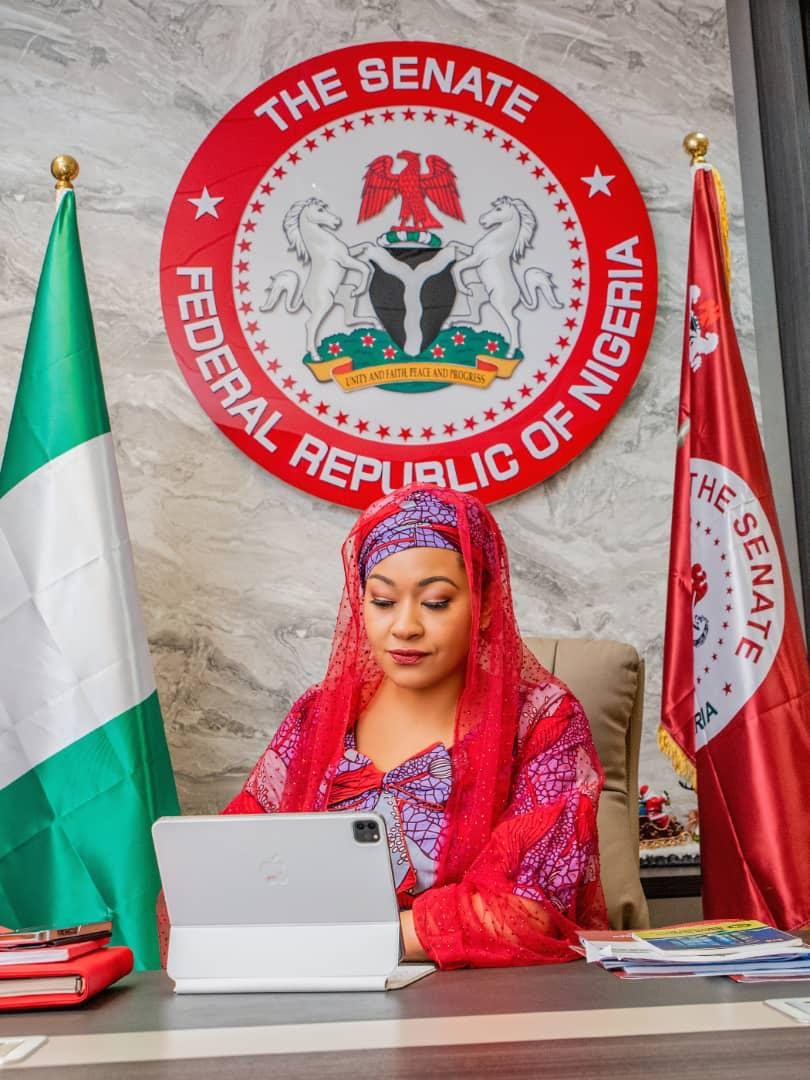
Dr Asmau Leo described the Reserved Seats Bill as a pathway to meaningful representation. “This is not tokenism. Women will compete for seats and prove their capabilities,” she said, emphasising that giving women positions of influence has consistently led to better governance outcomes.
Hon. Akin Rotimi acknowledged that societal misconceptions about women’s leadership persist, describing them as a “psychological pushback.” He pledged to continue advocating for policies that ensure women are fully represented in government.
Victoria Samuel Sani added that inclusion and accessibility are important to transforming governance and improving societal outcomes. She emphasised that creating pathways for women and persons with disabilities strengthens decision-making and fosters more equitable policies. Victoria also stressed that ensuring women’s full participation at all levels of governance is essential for a truly representative and effective government.
The panel was part of the broader four-day MDC 3.0, held from November 24 to 27, 2025, at the Abuja Continental Hotel. The conference brought together over 500 participants, including journalists, civil society leaders, researchers, technologists, donors, and students.
Across its plenaries, the conference has explored issues including democratic resilience, media sustainability, digital rights, food security, climate governance and the rising impact of artificial intelligence on public life.