|
Getting your Trinity Audio player ready...
|
Summary: Oluwaserimi Ajetunmobi has warned that the shortage of trained biomedical engineers and inadequate maintenance of medical equipment are hindering healthcare delivery in Nigeria, calling for improved training, spare parts supply and stronger oxygen system sustainability.
Oluwaserimi Ajetunmobi, the Oyo State Commissioner for Health, has expressed concern over the shortage of trained biomedical engineers in Nigerian hospitals, warning that inadequate maintenance of medical equipment is affecting healthcare delivery.
She made this known on February 19, 2026, at the 4th National Oxygen Coordination Meeting organised by the Federal Government and development partners in Abuja.
According to her, many hospitals lack properly trained biomedical engineers, and even where personnel are assigned to the role, consistent and up-to-date training is often lacking.
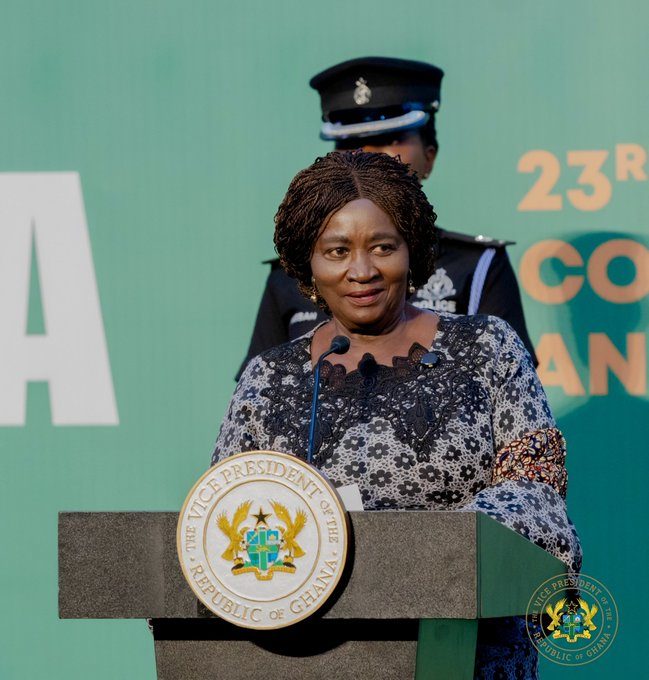
“They need to be trained every now and then. They are the ones taking care of the machines working at the back end. So we need that capacity building for biomedical engineers to be able to know what to do, when to do it and how to do it,” she said.
Nigeria is estimated to have fewer than 0.05 biomedical engineers per 10,000 people, translating to about 280 nationwide. Biomedical engineers are responsible for designing, installing and maintaining medical equipment, as well as supporting research and innovation in healthcare technology.
Speaking further, the Oyo State Health Commissioner highlighted challenges in maintaining medical oxygen facilities, citing Oyo State’s customised solar-powered oxygen plant.
“We need a regular supply of spare parts because if we have the spare parts, we know that whatever goes wrong, we have spare parts for it. So it’s another major thing that we need to do,” she explained.
Also speaking at the event, the Secretary of the National Oxygen Desk at the Federal Ministry of Health, Eno Edem, urged state governments to apply lessons learned on sustaining medical oxygen systems. She emphasised the need to train healthcare workers, describing them as key to ensuring the sustainability and proper use of oxygen equipment.
The meeting focused on strengthening Nigeria’s medical oxygen systems and improving the capacity to maintain critical healthcare infrastructure nationwide.