UN Women Nigeria Engages Stakeholders to Strengthen Gender-Responsive Budgeting Framework
|
Getting your Trinity Audio player ready...
|
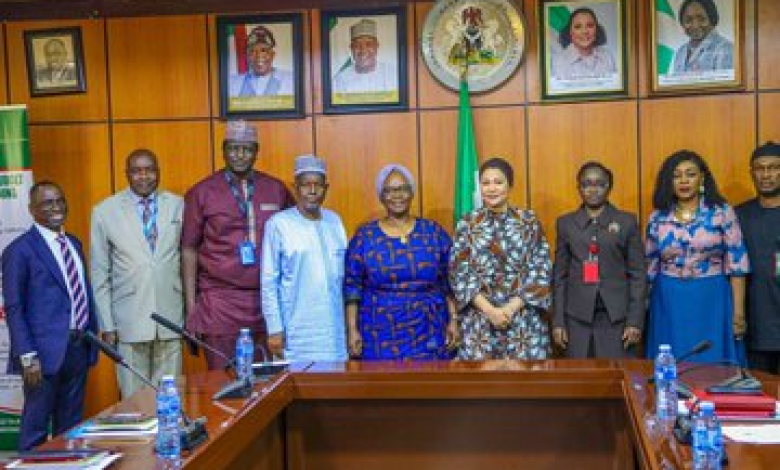
On July 28, UN Women Nigeria, led by its Country Representative to Nigeria and ECOWAS, Beatrice Eyong, paid a courtesy call on Dr Doris Uzoka-Anite at the Federal Ministry of Budget and National Planning in Abuja.
The purpose of the visit was to give a progress report on the development of the Nigeria Gender Responsive Planning and Budgeting Framework, with the intention of getting next steps towards validating, finalising, and institutionalising the framework.
Beatrice Eyong is the UN Women Country Representative to Nigeria and ECOWAS, responsible for driving the UN Women agenda on gender equality and women’s economic empowerment across the region.
Dr Doris Uzoka-Anite is the Minister of State for Budget and National Planning and has been at the forefront of efforts to integrate gender-responsive approaches into Nigeria’s national planning and budgeting systems, including refining Budget Call Circulars to ensure Ministries, Departments, and Agencies demonstrate measurable impact on women through public expenditure.


UN Women Nigeria stated in its announcement that women in Nigeria continue to face significant disparities in economic opportunities, unpaid care work, and access to essential services, and that integrating gender-responsive budgeting into national planning is critical to addressing these gaps. UN Women has been working with the Ministry of Women Affairs to institutionalise gender-responsive budgeting at both federal and state levels, ensuring that budgets intentionally prioritise maternal health, girl-child education, the care economy, women’s safety, and economic empowerment initiatives.
Dr Uzoka-Anite has previously stated that closing gender gaps in access to finance, labour participation, and productivity is critical to building a resilient and globally competitive Nigerian economy, describing women’s economic empowerment not merely as a social objective but as a central pillar of Nigeria’s economic strategy.