BOFIM Launches Osun Election Report, Demands Accessible Electoral Process for Women with Disabilities

|
Getting your Trinity Audio player ready...
|
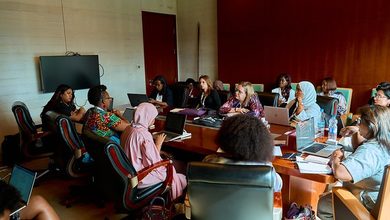
The BO Foundation for Inclusive Media (BOFIM) launched a report documenting the experiences of women with disabilities during the 2026 Osun governorship election, with speakers at the virtual event calling for accessibility to be built into the electoral process long before election day. The report, titled “Access to Information and Participation in the 2026 Osun Governorship Election: Experiences, Findings and Recommendations,” was launched during a Zoom event on Thursday, October 1, under BOFIM’s Her Voice, Her Vote: Digital Inclusion of Women with Disabilities in Osun’s 2026 Elections Project.
The event brought together disability advocates, civil society representatives and electoral stakeholders. A sign language interpreter, Beyioku-Alase Titilayo, was also present throughout the meeting, reflecting the accessibility concerns at the centre of the report. The programme opened with remarks from Blessing Oladunjoye, BOFIM’s Executive Director, followed by goodwill messages, including from Esther Emeh, Head of Voter Education and Publicity at the Independent National Electoral Commission (INEC), Lagos State, and Seun Akinyemi, Project Officer and Host Liaison at CIVICUS.
The first presentation, delivered by Susan Ihuoma, Vice President of the Joint National Association of Persons with Disabilities (JONAPWD), FCT Chapter, focused on making electoral information and participation accessible to women and people with disabilities. Susan said accessibility cannot begin on election day.
“Accessibility must begin before election day,”

she said, questioning how accessible electoral websites, pathways to polling units, seating arrangements and voting booths are for people with different disabilities. She also called out the issue of treating people with disabilities as one group when designing electoral interventions, stressing that the disability community is not homogeneous and that accessibility must be individualised rather than based on a one-size-fits-all approach.
“Disabilities have more than eight clusters. Does it cater to everyone?”
She also raised transportation as another barrier to participation, pointing out the additional stress that getting to a polling unit can create for people with disabilities when accessible transportation is unavailable. She also stressed the importance of independent and secret voting, saying voters with disabilities should not have to surrender their privacy in order to participate in elections. Political parties, she said, must also be part of conversations around electoral accessibility. The safety of women and people with disabilities during elections was another concern she raised
“No matter how you preach inclusion, you can’t equate when you include one of us. Elections are violent now. Think what it is for women and people with disabilities”
Susan also called for better data collection on the political participation of people with disabilities, including the numbers who register, vote and are represented in political spaces. She urged stakeholders to prioritise feedback mechanisms so that people with disabilities can report barriers and have their experiences considered beyond election day.
“We don’t want to be invited to vote, but excluded from decision-making tables”
The event also featured a screening of videos produced by women with disabilities.
BOFIM Executive Director Blessing Oladunjoye later presented and launched the report, which was based on the organisation’s engagement with 30 women with disabilities across different disability clusters in Osun State. Through the project, BOFIM provided electoral information via WhatsApp in formats including plain text, graphics, audio messages and videos. According to Blessing, the engagement covered voting rights, voting procedures and misinformation during the election period, with plain text emerging as the most appreciated format among participants. The report identified some progress, including the availability of Form EC48 for persons with disabilities, but also documented continuing problems with physical accessibility at polling units and communication gaps affecting voters with hearing impairments.
Another presentation at the launch, by Isaiah Ude, examined digital accessibility challenges during the Osun election, he said electoral accessibility works best when it is incorporated at the planning stage rather than treated as an adjustment after systems have already been designed.
The launch ended with recommendations for the 2027 general elections, including making polling units accessible earlier, ensuring accessible voting materials and improving sign language interpretation at polling stations. BOFIM said it would engage INEC and continue amplifying the report’s findings ahead of the 2027 elections.