Nigerian Women Rescued from Sexual Exploitation in Mali After Fake Job Offers
|
Getting your Trinity Audio player ready...
|
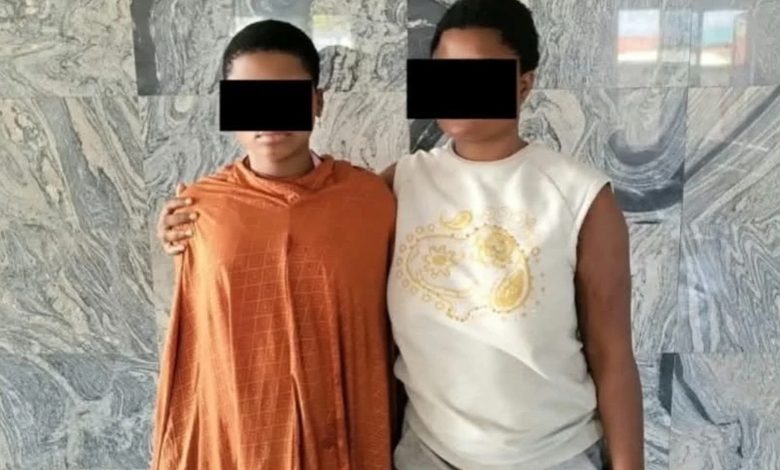
Two young Nigerian women, a 16-year-old girl from Delta State and a 24-year-old fashion designer from Akwa Ibom State, have been rescued from sexual exploitation in Mali after being deceived with promises of legitimate work.
The rescue, carried out last week through a joint effort by the Global Anti-Human Trafficking Organisation (GAHTO) and the National Agency for the Prohibition of Trafficking in Persons (NAPTIP), highlights the ongoing vulnerability of Nigerian girls and women to trafficking networks that exploit poverty, limited opportunities, and trust in familiar faces.
According to a statement by GAHTO founder Prosper Michael, the 16-year-old, who had dropped out of school, was approached by a woman from her community with an offer of a trading job abroad. After a multi-day journey to Mali, she reported being forced into commercial sex work.
“I refused at first, but they forced me to continue for three weeks. The woman in charge threatened to beat me whenever I resisted,” she said.


She also said she was given injections without clear explanation before escaping with the help of a Good Samaritan. The minor is currently in the custody of NAPTIP’s Benin Zonal Command.
The second survivor, identified as Joy, a 24-year-old fashion designer previously based in Port Harcourt, Rivers State, said a neighbour she regarded as a friend promised her a fashion design and boutique job in Mali so she could save money to start her own business.
“I told him that even if they put a gun to my head, I would never do prostitution. He assured me that it was not prostitution,” she said.
Upon arrival, she discovered the true nature of the arrangement and firmly refused to participate.
“I was shocked because I had never been in such an environment before. Some ladies came out half-dressed, calling for guests, and immediately I knew it was prostitution,” she said.
She reported enduring beatings, molestation, and threats before managing to escape.
Michael described the case as part of a larger pattern of Nigerians, particularly young women and girls, being lured across West African borders with false employment promises only to face exploitation. He stressed the need for sustained action beyond rescue, calling for grassroots economic empowerment programmes, including through initiatives that create real opportunities at home.
He specifically appealed to state First Ladies, including the Delta State First Lady, to support the 16-year-old’s return to education so she is not left without pathways after her ordeal. “Bringing victims back to Nigeria is one problem, and empowering them is another,” he noted.
“I am using this opportunity to call the attention of all state first ladies to do more in their states, especially the Delta State First Lady, to see how the 16-year-old girl can return to school,” he said.
True protection of Nigerian women and girls requires addressing the root conditions: lack of opportunity, weak social safety nets, and gender-based power imbalances that make such deceptions possible.