Obiageli “Oby” Ezekwesili Demands Action to Stop Girls Being Married Off Before 18
|
Getting your Trinity Audio player ready...
|
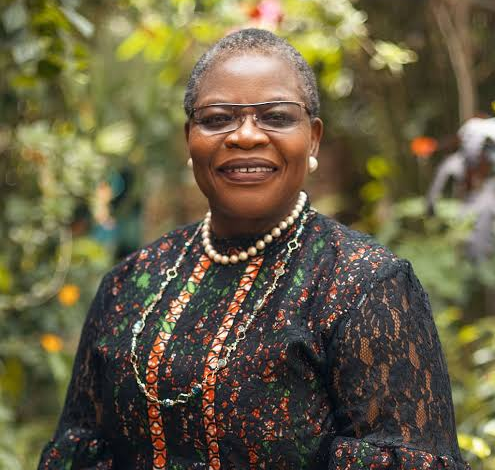
Former Education Minister Oby Ezekwesili has called on the Federal Government and state governments to enforce 18 as the minimum age of marriage across Nigeria, as figures she cited show that 23.6 million Nigerian women and girls were married before their 18th birthday.
In a statement published by the Premium Times, on October 11 to mark the International Day of the Girl Child, Oby urged African governments to strengthen legal protection for girls, invest in their education and hold themselves accountable for reducing child marriage.
“In Nigeria, 23.6 million women and girls were married before 18, the largest number in West and Central Africa”
She emphasized on the figures from Jigawa State, where 78 per cent of women aged 20 to 49 were first married before turning 18, while 63 per cent of women left school to marry and called for the minimum marriage age to be enforced in every state and community, with traditional and religious leaders involved in efforts to end the practice.


“Enforce 18 as the minimum age of marriage in law and in practice, in every state and every community, with traditional and religious leaders as partners”
Oby, who leads Human Capital Africa, linked child marriage to the difficulties girls face in obtaining and completing their education. She wrote that keeping girls in school requires more than enrolling them, they must first learn the basic skills needed to progress through their education.
“A girl cannot stay in secondary school if she never learned to read”
Citing estimates that 89 per cent of children in sub-Saharan Africa experience learning poverty, she called for every girl to be able to read and understand a text by age 10. She also urged governments to remove school fees and other expenses, including the costs of uniforms and transportation, that prevent girls from continuing their education, particularly in rural communities, and called on African governments to increase domestic funding for girl’s education as foreign aid declines, warning that cuts in assistance and weakening global commitment to women’s rights could reverse progress against child marriage.
Oby cited analysis by the Center for Global Development, included in a report from Columbia University, estimating that child marriage could cost the global economy up to $175 billion annually through lost productivity and increased health risks. The losses could approach $2.5 trillion by 2040.
“The cost of inaction is high. Our Columbia report includes new analysis by the Center for Global Development. It estimates losses of up to $175 billion a year, or almost $2.5 trillion by 2040, from lost productivity and higher health risks caused by child marriage.”
She also warned that “aid cuts, weakening global commitment to women’s rights, and rising conflict could slow or reverse progress. Child marriage is not a side issue in development. It drains a nation’s human capital directly”
She also pointed to estimates that 68 million child marriages had been averted over the past 25 years through girl’s education, legal reforms and social protection, arguing that progress is possible when governments sustain these interventions.
“Progress is possible. An estimated 68 million child marriages have been averted over the past 25 years through girls’ education, legal reform and social protection”
Oby urged African governments to make girls’ learning and school retention central to the African Union’s Decade of Accelerated Action for the Transformation of Education and Skills Development, which runs from 2025 to 2034. As a member of the initiative’s steering committee, she said she would push for girls’ educational progress to be included in how its success is measured.
“A Decade that does not end child marriage will not have transformed African education”
Her demand comes as the National Council of Women Societies (NCWS) has also called for stronger government action to end child marriage. In a statement marking the same international day, the council urged federal, state and local governments to enforce the minimum marriage age, review child-protection laws and remove constitutional provisions that could be used to undermine protections for girls. The governments should demonstrate progress through measurable outcomes, including priotizing girl’s education and a stop child marriage.