COP31: Gender Inclusion in Climate Change Planning, What Remains Missing
|
Getting your Trinity Audio player ready...
|
As a Nigerian during this period, you’ve probably heard of the infamous El Niño, the climate pattern driving the current heatwave in Nigeria. Long before the event, Nigerians were warned of the health consequences of deadly heat and measures to help us cope. We watched the news and stocked up ahead of any emergency.
Now let us relate this to other climate problems.
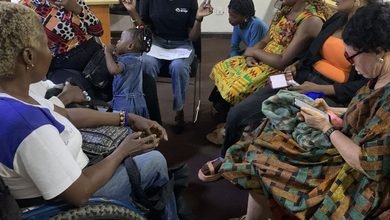
When there is a flood, who gets out depends on who heard the warning, who could reach the road, and who was thought of before the water came. This reality is even more clearly shown by the experiences of Shiminenge, a disabled woman in an internally displaced camp in North-Central Nigeria. In a talk with the United Nations, she shared that she was unable to access the camp’s toilet and water facilities with dignity when the tent areas became muddy after the rains. The sanitation points are farther than she can reach independently at the camp, which was not built with her in mind.
This is the gap that the world’s climate talks keep walking past. As the Conference of the Parties (COP31) opens in Antalya, Türkiye, running from 9 to 20 November, stakeholders will again discuss finance, adaptation and implementation of climate action, like the El Niño heatwave and flooding above. For us, this means that it is where the world will share recent research on climate issues, agree on where attention should be focused, and release funding to conduct projects that can solve these problems. Although gender is on the agenda, disability risks being set aside.


Progress on gender, and what it left out
With evidence from data, the UN climate process has contributed immensely to gender, given the Gender Action Plans adopted and adapted since 2017. However, analysis by the European Disability Forum describes disability inclusion in the climate process as stalled at the level of recognition. It appears in lists of vulnerable groups, but rarely as a measurable commitment. The same analysis points out that participation, accessibility and outcomes for persons with disabilities are not measured, reported or reviewed within the UN’s gender processes.
This means a country can report progress on gender and say nothing about whether a single disabled woman took part or benefited. What isn’t counted doesn’t get funded, and what isn’t funded doesn’t happen.
Climate Finance and Women with Disabilities
The same pattern shows up in finance. Many climate finance mechanisms often lack disability inclusion criteria. A project can therefore claim to be gender-responsive while bypassing women with disabilities entirely.
For Nigerian women and girls with disabilities, this matters especially when considering how the lack of accessibility, gender and disability discrimination simultaneously intersects.
The Changes We Want
- Collect the data. Gender reporting should include disability-disaggregated data, so that disabled women are visible in the numbers.
- Fund the work. Dedicated budget lines should support accessibility, participation and inclusive programme design within the Gender Action Plan and related workstreams.
- Set the rules for money. Climate finance should carry disability inclusion criteria, and countries should track how much reaches persons with disabilities.
- Put disabled women in charge. Organisations led by disabled women should help shape, monitor and evaluate climate policy, not just be consulted once it is written.
- Open the doors. Every climate process, from negotiation rooms to documents to side events, should meet universal accessibility standards.
COP31 ends on 20 November. The question for negotiators is simple: will women with disabilities leave Antalya with a mention, or with a commitment?