#16DaysofActivism: The Conversations We Need to Start on Reproductive Health
|
Getting your Trinity Audio player ready...
|
NAIROBI, KENYA – For many young women, understanding their reproductive health is not always easy. Questions about menstruation, contraception, fertility and sexually transmitted infections often come with fear, uncertainty and, sometimes, silence.
For a young woman growing up in a society where conversations about reproductive health are considered uncomfortable, seeking information can become a challenge.
She may have questions about an irregular menstrual cycle, experience painful periods or want to understand her contraceptive options. Yet, instead of seeking professional guidance, she may turn to friends, social media or unreliable online sources.
The problem is not necessarily a lack of information. It is the difficulty of accessing accurate, reliable and judgment-free information.


The silence surrounding reproductive health
Reproductive health is more than the absence of disease. It involves physical, emotional and social well-being in matters relating to the reproductive system.
Despite increasing awareness campaigns, misconceptions remain common, particularly among adolescents and young adults.
Some young women fear being judged when seeking contraceptive services. Others lack sufficient knowledge about menstrual health, sexually transmitted infections and available reproductive health services.
This silence can have serious consequences, including delayed medical attention, unintended pregnancies and untreated infections.
Why access to information matters
Access to accurate reproductive health information allows individuals to make informed decisions about their bodies and futures.
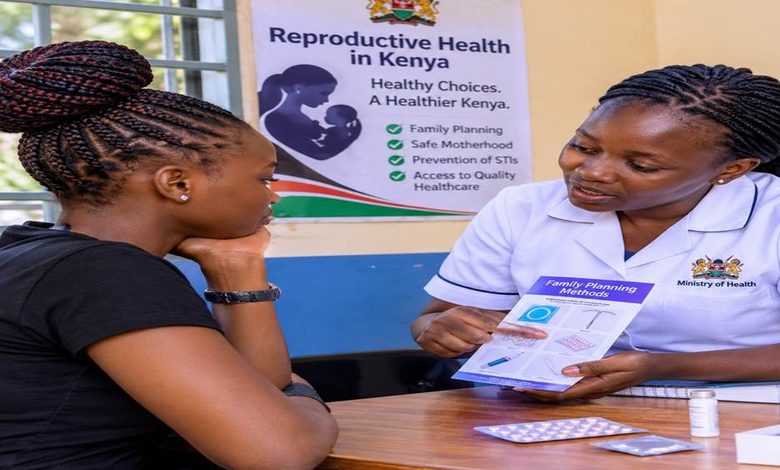
Healthcare professionals play an important role in providing guidance on contraception, menstrual disorders, family planning, fertility and prevention of sexually transmitted infections.
According to the World Health Organization, sexual and reproductive health is an important part of overall health and well-being.
However, access must go beyond hospitals and health facilities. Schools, universities, communities, families and digital platforms also have a role to play.
Young people need spaces where they can ask questions without embarrassment or discrimination.
Breaking the stigma, one conversation at a time
Reproductive health should not be treated as a subject reserved for private conversations or emergencies.
Parents should feel comfortable discussing puberty and menstrual health with their children. Schools should provide age-appropriate reproductive health education. Healthcare providers should offer confidential, respectful and non-judgmental services.
More importantly, young women should understand that seeking reproductive health information is not something to be ashamed of.
A conversation that cannot wait
Behind every reproductive health statistic is a person whose experience deserves to be heard.
A young woman seeking answers about her menstrual cycle, a teenager trying to understand contraception, or a woman looking for fertility advice all need access to reliable information and supportive healthcare.
The solution begins with listening, educating and creating environments where reproductive health is discussed openly.
Because knowing your body is not a privilege. It is an important part of protecting your health, exercising your rights and making informed choices about your future.
Breaking the Silence Around Reproductive Health
For many young women in Kenya, accessing reproductive health services is not always a straightforward experience. While healthcare facilities are expected to provide essential services, some young women still encounter stigma, fear of judgement and financial challenges.
For Jane, a 32-year-old from Kibera, seeking reproductive health services came with challenges she had not anticipated. She recalls feeling uncomfortable when seeking assistance because of the way she was received at the healthcare facility.
“The first time I went for service at our nearby dispensary, the pharmacist there was so rude to me. She did not even want to listen to me,’’ she says.
Her experience highlights the difficulties some young women face when seeking reproductive healthcare, particularly when privacy, affordability and societal attitudes become barriers.
The Reality of Accessing Reproductive Healthcare
The experience is not unique. Joyce, a 28-year-old, describes a different challenge when trying to access reproductive health information and services.
According to her, limited information and the fear of being judged make it difficult for some young women to openly seek guidance on reproductive health.
“I know society looks down upon those who are victimised when it comes to reproductive health. That was my main fear when I really wanted to seek guidance,’’ she explains.
Her account raises questions about whether young women have sufficient access to accurate information and supportive healthcare environments.
Healthcare Professional: Understanding the Barriers to Reproductive Healthcare
But why do these challenges persist? According to Dr Enock Ondari, a Gynaecologist at Kisii Teaching and Referral Hospital (KTRH), stigma, misinformation, and gaps in reproductive health awareness can prevent young women from seeking timely medical assistance.
Young women in Kenya continue to face several barriers when accessing reproductive health services, including stigma, financial constraints, limited awareness and fear of judgement from healthcare providers.
These challenges can discourage them from seeking timely medical attention, increasing the risk of untreated reproductive health conditions, unplanned pregnancies and sexually transmitted infections. The professional may further emphasise that reproductive healthcare should be accessible, affordable and confidential, regardless of a woman’s age or marital status. Improving access requires stronger reproductive health education, supportive healthcare environments, and better awareness of available services to help young women make informed decisions about their health and wellbeing.
Beyond individual experiences: The bigger reproductive health picture in Kenya
The experiences of young women accessing reproductive health services reflect a broader public health concern in Kenya. Despite improvements in healthcare provision and reproductive health awareness, access to essential services remains an important issue, particularly among adolescents and young women.
According to the 2025–26 Kenya Mini Demographic and Health Survey (KMDHS), the proportion of girls aged 15–19 who have ever been pregnant declined from 14.8 per cent in 2022 to 11.9 per cent in 2025–26. While this indicates progress, teenage pregnancy remains a concern, highlighting the continued need for reproductive health education and accessible healthcare services.
Family planning also remains an important part of the discussion. The survey found that among currently married women, 16 per cent had an unmet need for family planning. This refers to women who want to delay or stop having children but are not using contraception.
However, access to reproductive healthcare goes beyond the availability of contraceptives. Issues such as affordability, limited information, social stigma and concerns about confidentiality can influence whether young women seek medical assistance.
For some, the fear of being judged because of their age or marital status can make visiting a healthcare facility uncomfortable. Others may rely on information from friends or social media, which does not always provide medically accurate guidance.
These challenges highlight the importance of creating healthcare environments where young women can access accurate information, professional advice and essential reproductive health services without discrimination.
As Kenya continues to make progress in improving its healthcare system, attention must also be directed toward ensuring that young women can access these services safely, affordably, and with dignity.
Conclusion
Ultimately, access to reproductive healthcare should never be determined by a woman’s age, financial situation or societal expectations. Behind every statistic is a young woman whose health, dignity and future matter. Kenya’s progress will only be meaningful when every young woman can access accurate information, affordable services and respectful healthcare without fear, stigma or discrimination. Reproductive healthcare is not a privilege; it is a right.
Editor’s Note: This story is published as part of Naija Feminists Media’s Editorial Fellowship for 16 Days of Activism on Reproductive Rights.