African Rights Envoy Calls on Nigeria to Take Action Against Femicide, Male Violence Against Women
|
Getting your Trinity Audio player ready...
|
Nigeria’s National Human Rights Commission (NHRC) has pledged to mobilise civil society organisations and other stakeholders to push for the country’s ratification of the African Union Convention on Ending Violence Against Women and Girls, following concerns over femicide and other forms of violence targeting women.
The Executive Secretary of the NHRC, Tony Ojukwu, made the call during a meeting with Janet Ramatoulie Sallah-Njie, the African Commission on Human and People’s Right’s Special Rapporteur on the Rights of Women in Africa, at the commission’s headquarters in Abuja. He identified femicide and technology-facilitated violence against women as growing concerns requiring stronger legislative action, institutional collaboration and improved access to justice.
He said the NHRC would work with civil society organisations to strengthen nationwide advocacy and support Nigeria’s adoption and ratification of the continental convention. The visiting Special Rapporteur urged Nigeria to take a leading role in getting more African countries to ratify the treaty, which requires 15 member states to deposit their instruments of ratification or accession before it can enter into force. She specifically called on the NHRC to champion the process, prepare relevant national reports and monitor the implementation of laws protecting women and girls.
The African Union adopted the convention on February 10, 2025, establishing a legally binding framework for preventing and responding to violence against women and girls. It addresses different forms of violence, including femicide, sexual violence, harmful practices and technology-facilitated abuse. However, Nigeria has yet to sign the convention, let alone ratify it. The African Union’s official treaty status list, dated May 22, 2026, records no Nigerian signature or ratification. An update presented at the African Commission’s 89th Ordinary Session on October 15, reported by the International Service for Human Rights, identified The Gambia and Ghana as the only countries that had ratified the convention at the time.


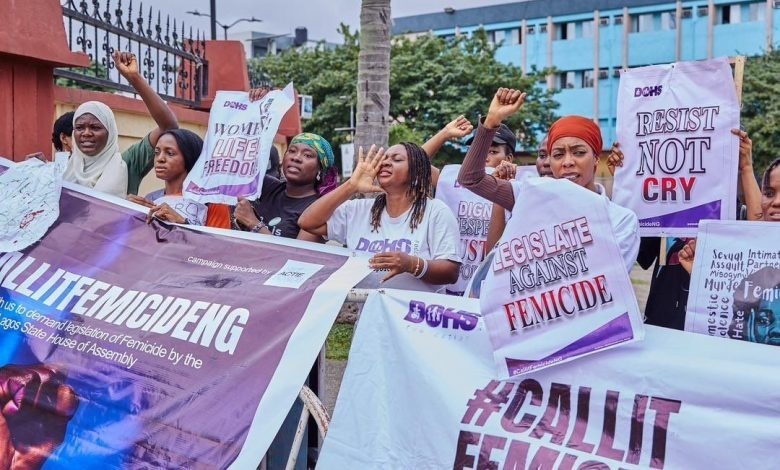
The convention’s provisions are very crucial to Nigeria, because women and girls continue to face killings, sexual violence and other forms of gender-based violence, without adequate protection or access to justice. The 2025 Nigeria Femicide Annual Documentation Report by DOHS Cares Foundation documented 182 femicides and gender-related killings of women and girls across at least 30 states and the Federal Capital Territory.
Only five cases, representing 2.7 per cent of the total, had progressed to formal court charges. The report also identified intimate partners and other family members as perpetrators in nearly half of the documented killings. The situation has continued into 2026. The FAME Foundation’s mid-year femicide tracker review documented 54 reported cases of femicide and other gender-related killings between January and June. The organisation noted that its figures cover publicly reported cases and do not represent the full extent of the killings.
During the meeting, Sallah-Njie also raised concerns about women’s exclusion from political decision-making ahead of Nigeria’s 2027 general elections. She called for affirmative action, including reserved seats for women in parliament, arguing that allowing women to contest elections does not remove the structural and sociocultural barriers that prevent them from gaining political representation.
She further warned that sexual violence, harassment, intimidation and technology-facilitated abuse during electoral activities could discourage women from participating in politics. She urged authorities to establish preventive measures and ensure women can campaign, vote and seek public office without facing violence and called for greater inclusion of women in peacebuilding and conflict-resolution processes, insisting that women must have a place in decisions affecting their communities and security.
Ojukwu said the NHRC had established specialised departments, including a Department of Women and Children, to strengthen its response to human rights violations and also the commission’s collaboration with the African Commission and efforts to make regional human rights instruments and recommendations more accessible.
The Executive Director of Baobab for Women’s Human Rights, Yèyé Bunmi Dipo-Salami, who was also present, supported the call for reserved parliamentary seats. She recalled previous efforts to secure special seats for women in the National Assembly, which faced resistance from some lawmakers who argued that the proposal would discriminate against men. Sallah-Njie said she would report the outcome of the meeting in her next intersessional report to the African human rights community, expressing hope that Nigeria would make measurable progress towards ratifying and implementing the convention.