|
Getting your Trinity Audio player ready...
|
Summary: Fifty-eight Kaduna women who underwent successful treatment for Vesicovaginal Fistula (VVF) have completed a rehabilitation and skills acquisition programme. VVF is a childbirth-related injury that occurs when prolonged or obstructed labour damages tissue between the birth canal and bladder, resulting in continuous leakage of urine.
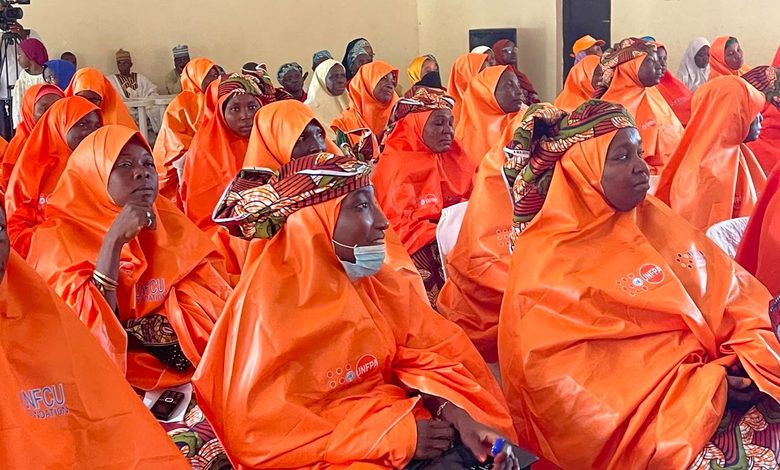
Fifty-eight women resident in Kaduna who underwent successful treatment for Vesicovaginal Fistula (VVF) have completed a rehabilitation and skills acquisition programme. The Kaduna State Ministry of Women Affairs and Social Development organised their graduation ceremony in collaboration with development partners.
Vesicovaginal fistula (VVF) is an abnormal small hole that develops between the bladder and the wall of the vagina. It is a childbirth-related injury that occurs when prolonged or obstructed labour damages tissue between the birth canal and bladder, resulting in continuous leakage of urine. Symptoms of VVF include: abdominal pain, diarrhoea, fever, nausea and vomiting, and unexplained weight loss.
According to Dr Hadiza Balarabe, the Kaduna State Deputy Governor, the rehabilitation must go beyond successful surgical repair to restore women’s confidence, dignity, social acceptance and economic independence. She praised the medical professionals who helped restore the women’s health, dignity, and confidence.


“As a medical doctor myself, I understand the profound physical, emotional and social challenges women living with obstetric fistula may experience,” she said. “The starter packs are not just materials; they are investments in your future.”
The beneficiaries received successful treatment and rehabilitation at the Yusuf Dantsoho Fistula Centre. Afterwards, they underwent skills acquisition training and received practical skills and starter packs to support economic independence and productivity.
Furthermore, Ms Balarabe urged stakeholders to increase VVF awareness, promote quality maternal healthcare and encourage skilled medical care during pregnancy and childbirth. She also called for improved access to treatment without fear, stigma or discrimination for women affected by fistula.