Are Nigerians Safe to Speak Against ‘Harmful Products’ of Business Institutions?
|
Getting your Trinity Audio player ready...
|
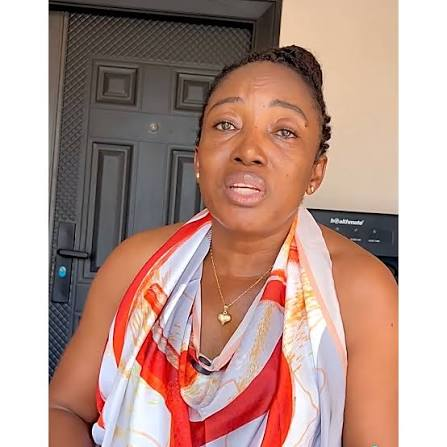
When Nigerian entrepreneur and content creator Love Doshima posted a TikTok video in April 2026 reviewing a loaf of bread left in her shop for two months, she noticed something unusual: it still looked and smelled fresh, with no sign of mould.
She obscured the producer’s name and logo, questioned the bread’s unnatural shelf life, and warned consumers to scrutinise what they eat.
Weeks later, Bon Bread demanded that Doshima retract her statements, remove the video, and pay ₦50 million in damages. The company also lodged a complaint with the police. On April 20, Doshima honoured an invitation to an Abuja police station, where officers detained her. She secured her release only after Inspector-General of Police Olatunji Disu and human rights attorney Inibehe Effiong intervened.
The Federal Competition and Consumer Protection Commission (FCCPC) announced an investigation, teaming up with the National Agency for Food and Drug Administration and Control (NAFDAC) to test the bread sample. Yet, the ordeal spotlighted a clash between corporate retaliation, public health safety, and constitutional rights.


Section 39 of Nigeria’s 1999 Constitution guarantees the right to freedom of expression, including the freedom to hold opinions and share information. Instead of respecting this protection, Bon Bread filed legal claims, and the police detained a citizen who voiced public health concerns. As businesses increasingly weaponise defamation claims, ordinary citizens now question whether they can share bad experiences without facing intimidation.
Legal practitioners view the dispute through the “reasonable person test.” Lawyer Achieze Reginald argued that defamation requires proving the publication clearly refers to the claimant.
“I personally, and 99 other Nigerians, will not be able to identify or tell the name or brand identity of the bread displayed in that video,” Reginald said, noting that an ordinary viewer without prior knowledge could not identify the brand.
Conversely, another legal practitioner, Savvy Lawyer, argued that obscuring the brand name does not automatically defeat a defamation claim.
“Even if a company name is hidden, other details could potentially lead people to identify it. This means the question is not simply, ‘Did Doshima say the company’s name?’ It is also: ‘Could people reasonably understand which company she meant?’”
This legal divide captures the tension between safeguarding business reputations and protecting consumers. Under the FCCPC Act, regulators must protect consumers, promote fair competition, and investigate product safety concerns. The law does not require citizens to stay silent. At the same time, businesses deserve protection against false allegations that damage their operations.
The dispute asks if Bon Bread’s aggressive response crosses the line into intimidation. Unless regulators and the courts strike a fair balance, heavy-handed retaliation will silence ordinary Nigerians who raise legitimate concerns about public health and the goods they consume.
This article was produced as part of the Liberalist Centre’s Journalism for Liberty Fellowship, with funding from Liberty International.