|
Getting your Trinity Audio player ready...
|
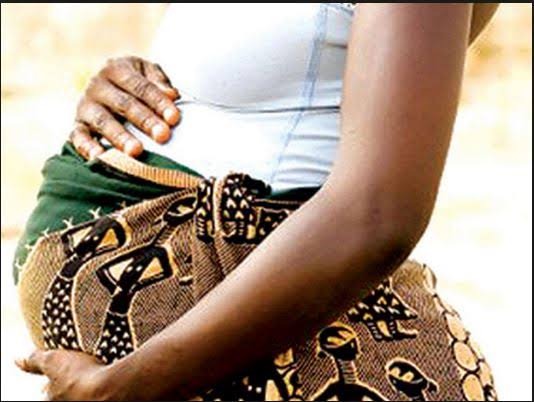
When conversations about women’s health take place in many communities, pregnancy and childbirth often dominate the discussion. These are important areas of care, but a woman’s health needs begin long before pregnancy and continue long after her childbearing years.
A girl may need support with nutrition, menstrual health and vaccination during adolescence. An adult woman may need access to contraception, screening, mental health support and care for chronic conditions. An older woman may need help managing hypertension, diabetes, bone health or the changes that come with menopause. Each stage brings different needs, and each deserves attention.
Nigeria’s health data show why maternal care must remain a priority. The 2024 Nigeria Demographic and Health Survey reports that 63 per cent of women aged 15 to 49 received antenatal care from a skilled provider, while 52 per cent had at least four antenatal visits. The report also records that 43 per cent of live births took place in health facilities, while 56 per cent occurred at home. These figures point to continuing gaps in access to timely, skilled care during pregnancy and childbirth.
Antenatal care gives health workers opportunities to monitor a pregnancy, identify risks and help women plan for delivery. Care after birth matters too. Postnatal checks can identify complications in the mother and newborn, support breastfeeding and provide advice on recovery and family planning. Women should be encouraged to seek care early and attend the recommended visits, while health services must be accessible, respectful and responsive to their needs.

But women’s health cannot be reduced to maternity services. Here are four key ways for improving women’s health.
1. Menstrual Health
Painful or unusually heavy periods can interfere with school, work and daily life. Girls and women need reliable information about menstruation, access to clean toilets and menstrual products, and the confidence to seek medical advice when symptoms are severe or persistent. Menstruation should not be a source of shame or a reason to exclude girls from education and participation in community life.
2. Cervical cancer prevention
This is another area where information and services can make a real difference. Persistent infection with certain types of human papillomavirus (HPV) causes almost all cases of cervical cancer. HPV vaccination, according to national guidance, helps protect girls before exposure to the virus. Screening can identify cervical changes before they become cancer, and women with abnormal results need timely follow-up and treatment.
Nigeria has expanded HPV vaccination for girls, and the Federal Ministry of Health has continued to advance cervical cancer screening efforts. Families should obtain accurate information from health workers and approved public health sources rather than rely on rumours.
Women also need care for conditions that may receive less attention in discussions of reproductive health. High blood pressure, diabetes, breast health concerns, depression and anxiety can affect women at different ages. A woman who is constantly exhausted, experiencing persistent sadness, or worried about a new breast lump deserves to be heard and assessed. Health workers should take women’s concerns seriously, explain available options and refer them when specialist care is needed.
3. Safety and dignity
Intimate partner violence, sexual violence, child marriage and other forms of abuse can cause physical injury and long-term psychological harm. Women and girls who experience violence may need urgent medical attention, confidential support and protection. They should not be blamed for the violence committed against them. Community organisations, health facilities and relevant support services can help create safer routes to care, provided that confidentiality and the survivor’s choices are respected.
4. Access remains a practical challenge
Distance to a facility, transport costs, user fees, shortages of trained staff, lack of privacy and fear of being judged can all discourage women from seeking help. For women with disabilities, additional barriers may include inaccessible buildings, communication difficulties and health information that is not available in suitable formats. Improving women’s reproductive health therefore requires more than telling individuals to visit a clinic. Services must be affordable, welcoming, confidential and equipped to respond to different needs.
Primary healthcare facilities are often the first point of contact. They can provide health education, immunisation, family planning counselling, antenatal and postnatal care, screening where available, early identification of health problems and referral. Community health workers and local organisations can help share accurate information and connect women with services. Men, families, traditional and religious leaders also have a role in supporting women’s decisions and removing barriers to care, while respecting women’s autonomy.
There is no single experience of being a woman in Nigeria. Age, disability, income, location, education and personal circumstances affect the care a woman can access and the support she needs. Listening to women and involving them in decisions about health programmes can help services respond to those realities.
A practical starting point is to make routine health checks easier to access, encourage girls to seek reliable menstrual and reproductive health information, support HPV vaccination and cervical screening in line with national guidance, and ensure that pregnant and recently delivered women receive timely care. Just as important is a health system in which women are treated with respect and can ask questions without fear or embarrassment.
Every woman deserves care throughout her life, whether or not she is pregnant, whether or not she has children, and whatever her age or circumstances. Recognising that wider picture is an important step towards healthier families and communities.
About the Contributor
African Health Intelligence & Consultancy (AHIC) is an emerging, founder-led public health consultancy initiative based in Nigeria. AHIC’s areas of interest include public health research, health education, epidemiology, disease surveillance, monitoring and evaluation, health data analysis and primary healthcare. AHIC is currently an initiative and does not present itself as an incorporated or accredited organisation.