Building Acystant: Esohe Obaseki’s Vision for More Accessible Women’s Health Information
|
Getting your Trinity Audio player ready...
|
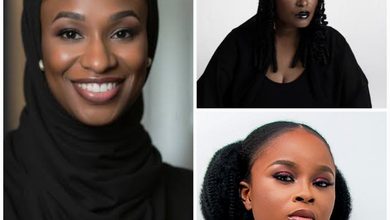
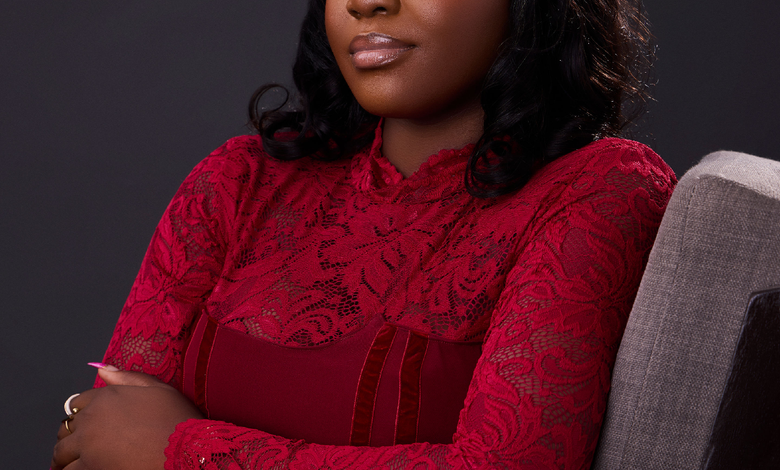
Esohe Obaseki is the founder of Acystant, a women’s wellness platform dedicated to helping African women better understand and navigate their health. Her journey towards building Acystant was shaped by her personal experience navigating hormonal health and the difficulty of finding reliable, relevant information that reflected her body and healthcare experiences as an African woman.
The experience exposed her to the gaps in how women’s health is discussed, understood and supported, particularly when it comes to hormonal conditions. What began as a platform focused on PCOS (PMOS) has grown into a broader women’s wellness platform covering hormonal health, nutrition, mental wellbeing, beauty, and community.
Through Acystant, Esohe is working towards making women’s health information more accessible, relevant and easier to understand for African women. Her vision is to create a space where women can find information that speaks to their realities, make more informed decisions about their health, and feel less alone as they navigate their experiences.
At the heart of her work is the belief that African women deserve access to health information and resources that recognise their experiences, address their needs and empower them to take a more active role in their wellbeing.


Naija Feminists Media Chat with Esohe
- For our readers meeting you for the first time, can you tell us more about you and your experience navigating hormonal health and how it influenced your decision to build Acystant?
At heart, I’m a woman who got tired of women having to become detectives of their own bodies. My own experience navigating hormonal health wasn’t a neat journey where you notice something is wrong, see a doctor and immediately understand what is happening.
There was confusion, a lot of Googling, conflicting advice, and that constant question of, “Is this normal, or am I overthinking it?”
What stayed with me most was how much work women have to do just to understand themselves. You can be experiencing something very real and still struggle to find information that speaks to you in a way that feels clear, practical and relevant to your actual life.
Acystant grew out of that frustration. I wanted to build the kind of resource I wish I had: somewhere a woman could come with a question about her body and leave feeling more informed, less ashamed and better equipped to decide what to do next.
- What did your experience teach you about the gaps in how women’s hormonal health is understood and discussed, particularly for African women?
One of the biggest things I realised is that African women are often expected to make do with information that was not created with our lives in mind. You read an article about eating well with PCOS, and the examples are quinoa, blueberries and expensive supplements. Meanwhile, a woman in Lagos is thinking about rice, yam, garri, beans, what she can afford that week and whether she has two hours to sit in traffic before getting home.
There is also stigma. We still have women who are embarrassed to ask about discharge, painful sex, irregular periods, fertility or even contraception. And sometimes, when women do speak up, their symptoms are minimised. That gap is not just about information. It is about context, access, money, culture and feeling believed.
- Acystant started with PCOS and has since expanded to cover hormonal health, nutrition, mental wellbeing, beauty and community. What does the platform currently offer, and how do you decide what information and resources women need?
PCOS gave us our starting point, but women do not experience their lives in neat categories. A woman dealing with hormonal changes may also be dealing with hair loss, acne, anxiety, fertility questions, body image, work stress, food and relationships. So Acystant has naturally expanded into those intersections. Today, we are building Acystant around education, community, practical wellness resources and curated recommendations.
We are also creating more experiences where women can meet each other offline, learn and simply enjoy being together. A lot of what we create starts with listening. What are women asking us? What are they Googling at 1 a.m.? What are they embarrassed to ask? What are they spending money on because someone online promised it would “balance their hormones”? Those questions tell us where the real gaps are.
- How does Acystant ensure that the information it shares is medically reliable, and what role do healthcare professionals play?
Women’s health is too important for us to build content around whatever is trending that week. We prioritise reputable medical guidelines, research and credible health institutions, and we are building a stronger medical review system around our health content.
For more clinical subjects, we want qualified healthcare professionals involved in reviewing the information and helping us identify where nuance is needed. We are also very intentional about saying what we do not know. If evidence is limited, we should say that. If something requires a doctor, we should say that too.
Trust, for me, is not pretending to have every answer. It is helping women separate what we know, what we are still learning and what deserves professional care.
- What has building Acystant taught you about the needs of the women you hope to reach, and what do you ultimately want Acystant to change?
It has taught me that women do not just want more information. We already live in a world overflowing with information. What women want is clarity. They want someone to help them make sense of what they are hearing, understand what actually applies to them and know when something deserves their attention. Ultimately, I want Acystant to help create a generation of African women who understand their bodies better and feel more confident advocating for themselves. I want a woman to know that painful periods do not automatically have to be endured quietly. That asking questions about sex or fertility is not shameful. That she does not need to buy every supplement advertised to her. That she deserves healthcare that listens to her. If Acystant can make women feel more at home in their own bodies, that would mean a great deal to me.