Journalist, Farida Isiak, Faces Trial Over Police Criticism on Facebook
|
Getting your Trinity Audio player ready...
|
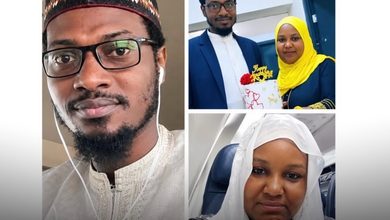
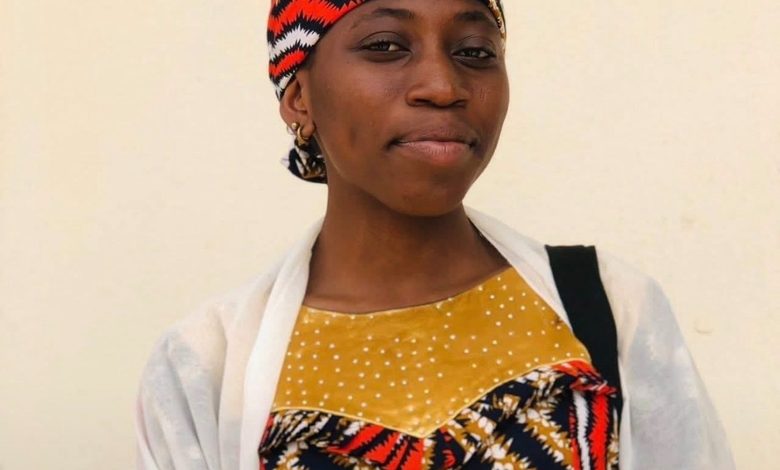
A 23-year-old journalist with Nagarta Radio, Farida Isiak, remains on bail after a Sharia Court in Kawo, Kaduna State, set aside an initial four-year prison sentence imposed for a Facebook post criticising police conduct. The case, which originated from a minor dispute involving her mother, has drawn sharp condemnation from Amnesty International Nigeria and the Nigeria Union of Journalists (NUJ) over concerns about due process, press freedom, and the treatment of a young woman journalist.
The incident began around 18 to 19, October 2026 with a disagreement over N100 change from a charcoal sale between Farida’s mother and a neighbour’s child in the Mararaban Jos area of Kaduna. Police from the Mararaban Jos Division, under Divisional Police Officer Usman Adamu, arrested the mother. When Isiak’s father went to the station to secure her release, officers also detained him. Family accounts state that the parents’ detention was used as leverage to compel the young journalist to present herself at the station.
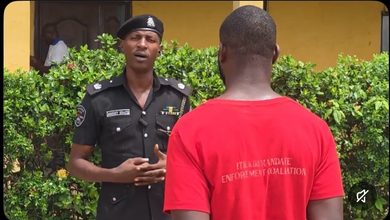
Farida posted on Facebook criticising the police handling of her parents’ detention. According to the Kaduna State Police Command, the post included strong language directed at the Nigeria Police Force, the DPO, and remarks concerning his wife. Officers arrested Farida around 10 p.m. on 20 October. She reportedly deleted the post and apologised in an effort to secure her parents’ release, but was kept in custody.
On October 21, she was taken before Sharia Court Division 1 in Kawo. Without legal representation present during the initial proceedings, she acknowledged authoring the post. The court, presided over by Judge Aliyu Adamu, sentenced her to four years’ imprisonment or a fine of N1.75 million for defamation. Her sister, a lawyer, and later counsel Mukhtar Abubakar intervened as arrangements were being made to transfer her to a correctional facility.


Following legal challenge that she had not fully understood the plea and lacked representation, the court on 22 October set aside the conviction, allowed a fresh plea of not guilty, and granted bail. Relatives, including her father, stood as sureties. The case was adjourned to 3 November 2026 for the prosecution to present its evidence.
Amnesty International Nigeria described the initial proceedings as a “sham trial” and “bogus charges,” accusing police of weaponising the judicial system against the journalist instead of addressing the original dispute and alleged misconduct. The organisation called for the charges to be dropped and for an investigation into the officers involved. The NUJ similarly demanded an impartial probe into the arrest and the detention of her parents, while stressing the need for fair hearing and protection of journalists’ rights to free expression.
The Kaduna State Police Command defended its actions, stating that the matter arose from a social media post containing statements directed at the police, the officer concerned, and his family. The command said the Commissioner of Police intervened to facilitate resolution and urged that the full circumstances be considered rather than viewing the case solely as suppression of the press.
For many Nigerian women and feminist observers, the case of Farida underscores the intersecting vulnerabilities faced by young female journalists: the escalation of a domestic or market-level dispute involving a woman into police detention of family members, the rapid use of social media criticism as grounds for criminal charges, and the initial denial of effective legal representation in a Sharia court setting.