|
Getting your Trinity Audio player ready...
|
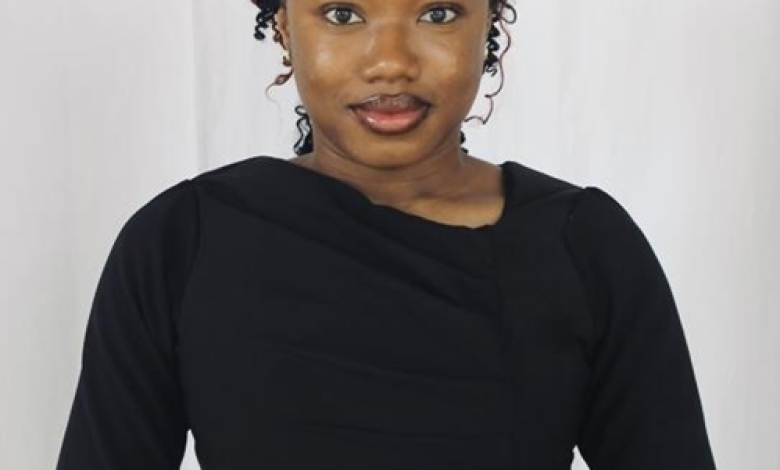
Summary: Jessica Onyemauche, a bar aspirant and storyteller, shares how her passion for art and justice shapes her commitment to documenting women’s stories and amplifying voices society often ignores.
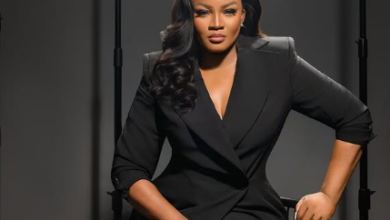
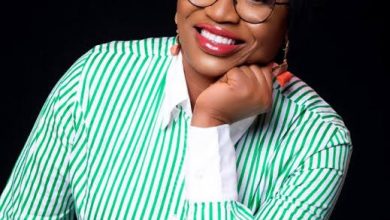
Jessica Onyemauche is a bar aspirant who balances her legal journey with a deep commitment to storytelling and feminist advocacy. When she is not training to join the bar, she focuses on documenting the lived experiences of women and ensuring their voices are heard, especially those society often sidelines.
Beyond her legal aspirations, Jessica describes herself as a lover of art, seeing creativity as central to how she understands the world. For her, storytelling is not just expression but a tool for visibility, resistance, and connection among women.
She believes that women, in all their complexity, are the greatest art, and this perspective shapes how she approaches both her work and advocacy. In this conversation with Naija Feminists Media, she reflects on feminism, storytelling, and the importance of amplifying voices that are too often ignored.
Insights from Jessica Onyemauche on Storytelling, Feminism, and Women’s Visibility
- When and how did you personally come to feminism? Was there a moment, experience, or process that shaped your feminist consciousness?
To be very honest, this is one of the questions I have never had the right answer to. When did it happen? What shaped me? Aside from the fact that I am a woman, and my lived experience, no matter how I did the mathematics, never added up.
I discovered the word feminist in secondary school. In a dictionary at first, and later in a current affair; it was used to describe Chimamanda Adichie. When I read out the meaning, it made sense to me. Who wouldn’t want to stand up for the rights of women? Who wouldn’t want to be associated with something so positive?
When I got back home for the holidays, I changed my WhatsApp Bio to “feminist”. Afterwards, I was astonished when I discovered that the world didn’t see it as something to be proud of. It actually earned me sneers. People scoffed when I mentioned it and saw me as a contrarian. It took me getting on Twitter in 2019, after secondary school, to find like-minded people.
For all the misery that comes with digital platforms, I will always be grateful for the community it provides and the boundaries of discussions it pushes.
- What issues affecting women and girls are you most focused on right now, and why do you believe these issues require urgent attention?
Representation. Representation. Representation. Women need to be represented. I cannot even shout this enough. We need women in every space women can get into. Unlike many oppressed groups, Women are not in the minority, so it never makes sense how we are treated by our society like we are.
- From your perspective, which law, policy, or systemic change should be prioritised to improve the lives of women and girls, particularly in Nigeria?
I take great pride in being Igbo. I love the women in my tribe. Not just the Chimamandas and Okonji Iwealas, but my aunties, cousins, the women around me. They mean so much to me. I’m currently working on an essay on the igbaboi system and questioning why women are left out of the system.
Girls are sent to be “slaves” the way boys are, but they are never compensated for their labour. In fact, the biggest compensation you can get from “Boiboi” as a woman is your mentor marrying you off to a wealthy man. It is a very niche concern, but a recognition of women’s labour as one worthy of monetary compensation could be what we need to unveil every free labour performed by women all around the world.
In short, I am currently interested in how Africa interacts with the labour of women and the implementation of policies that ensure fair compensation.
- What does feminist solidarity and collective action look like to you, and what message would you like to share with younger feminists?
Feminist solidarity is fighting marginalisation even in the smallest and inconspicuous spaces. You will hear a lot of “it is not that deep”, but best believe it is; it is very deep. Everything can be weaponised to push oppression. You must be an unabashed killjoy. Wear it. Own it.