Olubunmi Uluba’s 220-Hour GWR: From Reading SGBV African Laws to Demanding Accountability
|
Getting your Trinity Audio player ready...
|
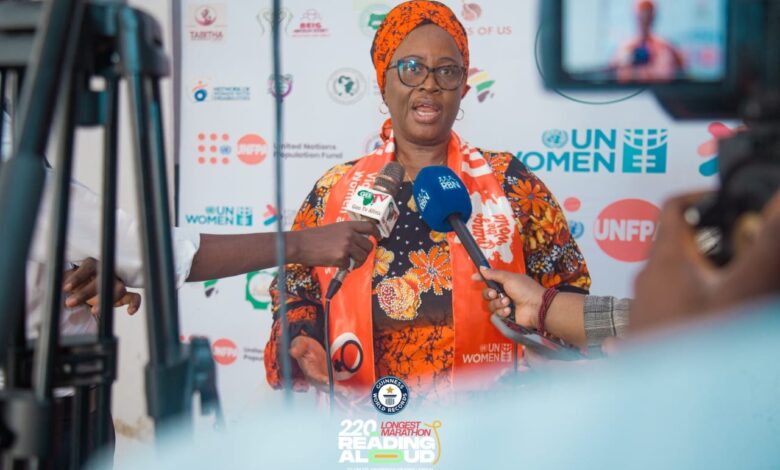
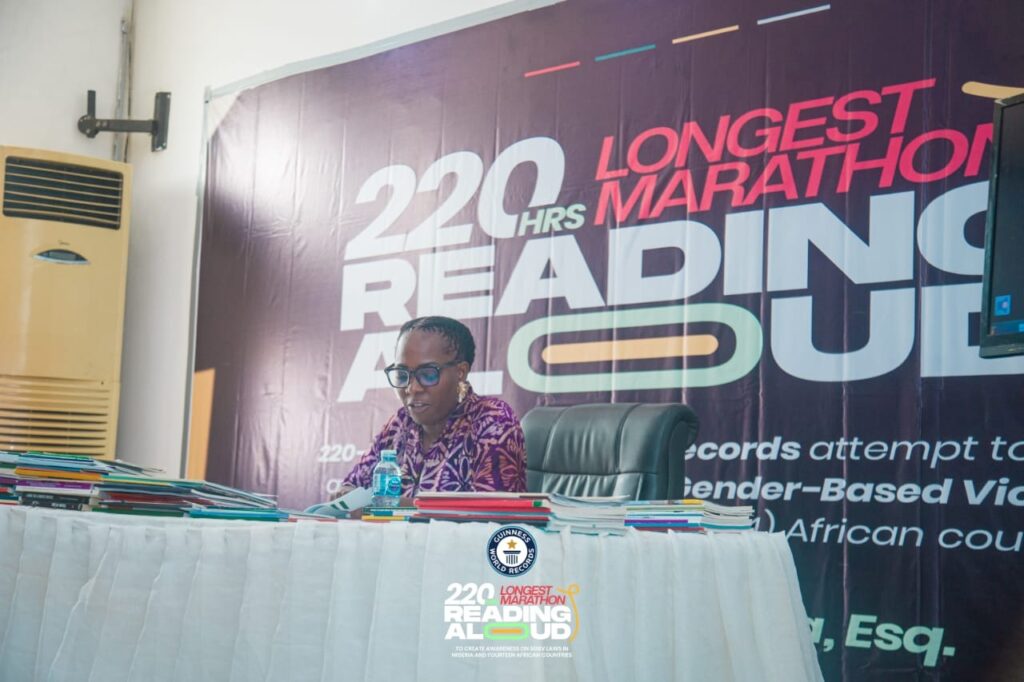
Nigerian lawyer Olubunmi Uluba has completed a 220-hour reading marathon focused on sexual and gender-based violence (SGBV) laws from Nigeria and 14 other African countries. The attempt brought together legal provisions addressing violence against women and girls, survivor protection and access to justice, while drawing attention to the distance between having laws on paper and ensuring that women can rely on them when violence occurs.
Supported by Naija Feminists Media (NFM) and other organisations, the initiative was designed to make these legal protections more visible and encourage stronger action from the institutions responsible for enforcing them. Olubunmi, a lawyer and SGBV prosecutor at the Federal Ministry of Justice, undertook the attempt in her personal capacity. She announced the initiative in August, explaining that she wanted to use the Guinness World Records platform to increase public understanding of the laws and frameworks addressing SGBV across the continent.
In her announcement on LinkedIn, she identified the participating countries as Nigeria, Rwanda, Kenya, The Gambia, South Africa, Ghana, Senegal, Zambia, Tanzania, Uganda, Zimbabwe, Liberia, Namibia, Malawi and Cameroon.
The initiative was not intended to rank the countries against one another. Rather, she wanted to address their different legal approaches, identify useful provisions and consider what could be learned from one another. In an earlier report by the News Agency of Nigeria (NAN), she hoped the comparative exercise would help identify best practices that could strengthen legal protections, survivor support, and institutional responses to SGBV. She also outlined plans for a post-attempt dialogue that would turn the lessons from the exercise into recommendations for policy and legislative reform.

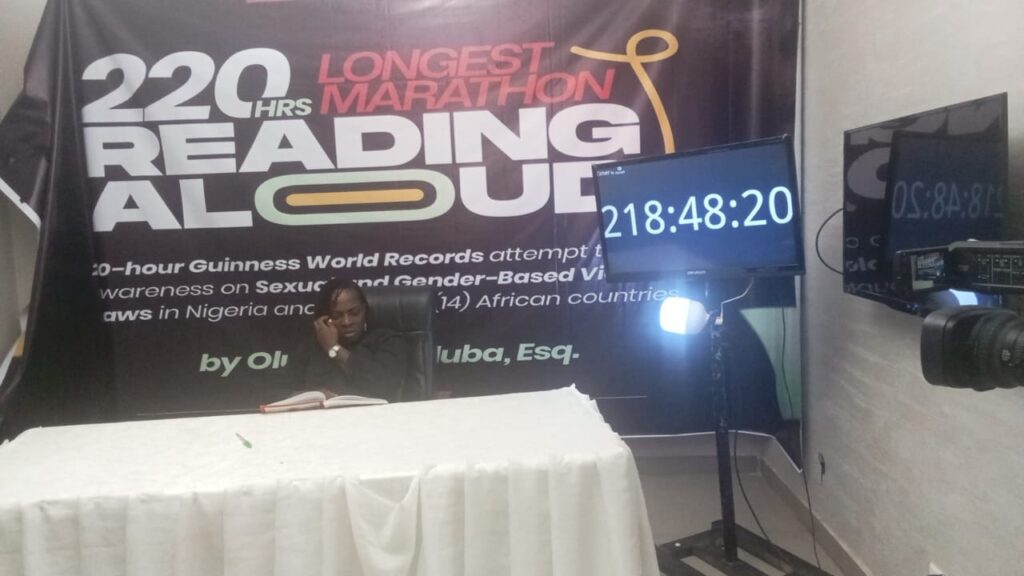
The reading marathon commenced on November 9, 2026, at the Maryam Babangida National Centre for Women Development in Abuja. Olubunmi began with Chapter Four of the 1999 Constitution of Nigeria, which addresses fundamental rights, starting with Section 33 on the right to life and proceeding to Section 34 on the dignity of the human person. These provisions are central to discussions about violence against women.
The right to life and the protection of human dignity establish constitutional safeguards against violations that include torture and other forms of cruel, inhuman or degrading treatment. However, the existence of constitutional protections does not automatically mean that women experiencing violence can access timely protection, effective investigations or justice. The reading also covered legislation addressing specific forms of violence and the protection of vulnerable groups, including the Violence Against Persons (Prohibition) Act, the Child Rights Act and disability rights legislation. The exercise extended beyond Nigerian law to relevant frameworks from the other participating African countries.
The marathon was expected to run for nine days and four hours. It was supported by organisations and institutions including UN Women Nigeria, the Ministry of Justice and the International Federation of Women Lawyers (FIDA). NFM also supported the initiative as a partner. The choice to read the laws aloud placed the actual legal provisions at the centre of the exercise. Rather than limiting the conversation to general statements about ending SGBV, the marathon created an opportunity to bring the laws themselves into public discussion: what protections they provide, what responsibilities they place on institutions and where their provisions may require review.
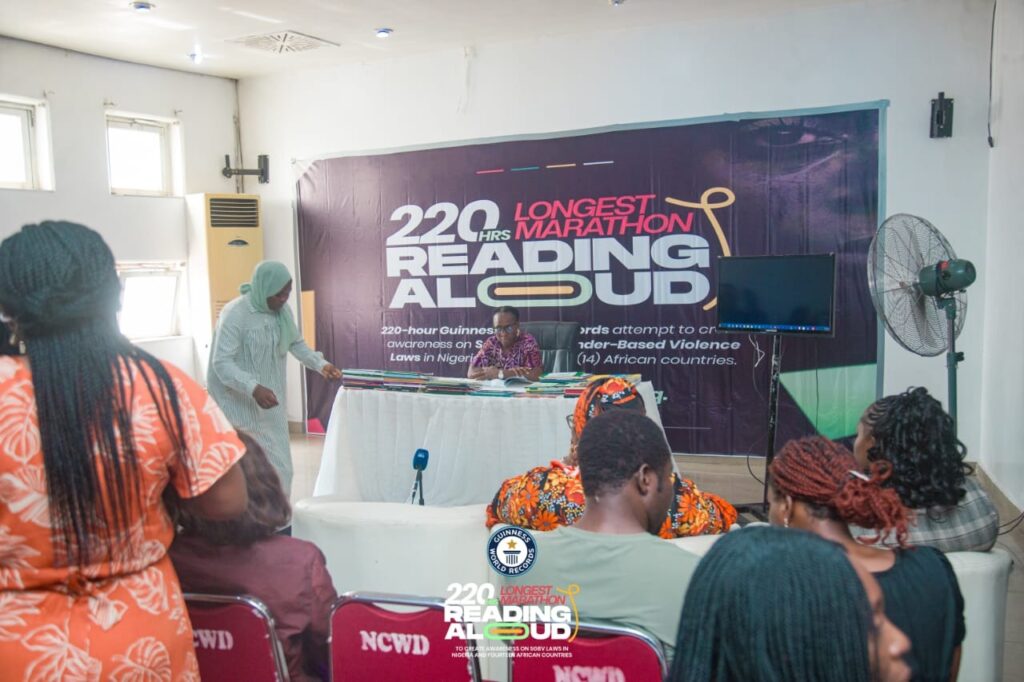
At the commencement of the marathon, stakeholders who attended the event stressed that legal awareness must lead to practical protection for women and girls. Their contributions highlighted a problem that continues to undermine responses to SGBV: laws may exist, but survivors still encounter institutional failures, inadequate support and barriers to justice. Beatrice Eyong, UN Women Country Representative to Nigeria and ECOWAS, identified the gap between the existence of legal protections and public knowledge of those protections as a major obstacle. She pointed out that both people whose rights are being violated and officials responsible for enforcing the law may lack adequate knowledge of the provisions available to them.
According to the Second News report, Beatrice emphasised that the exercise’s significance should extend beyond the record attempt to reach people with information about their rights. She also called for collective responsibility involving government, traditional and religious leaders, civil society organisations, the media, families, men and boys. Her intervention addressed an important part of the problem: women cannot be expected to defend rights they have not been informed about, while public officials cannot effectively implement protections they do not understand. But legal awareness must not become another responsibility placed on survivors alone. Government institutions and other duty-bearers must ensure that the protections contained in these laws are available in practice.
Yewande Gbola-Awopetu, Head of the Sexual and Gender-Based Violence Response Unit at the Federal Ministry of Justice, also stressed the need for effective implementation, institutional accountability and sustained public enlightenment. She maintained that survivors deserve to be heard, protected and treated with dignity, while perpetrators must be held accountable.
Chimdindu Onyedim-Etuwewe, Publicity Secretary of FIDA Abuja Branch, who represented the branch chairperson, Barrister Chioma Onyenucheya-Uko, welcomed the opportunity to examine the adequacy and effectiveness of existing laws. She noted that some legal provisions may have become outdated or require reform to address changing realities. She also stressed that legal awareness must translate into protection, accountability, access to justice and meaningful law reform.
Lois Auta, founder of the Network of Women with Disabilities, highlighted the barriers women with disabilities face when seeking justice. These include inaccessible police stations, inadequate sign-language interpretation and court procedures that exclude women who require accessible services. Her contribution reinforced the need to assess legal protections alongside the practical conditions that determine whether women can use them.
Sustaining a 220-hour reading marathon required more than the ability to read for extended periods. It placed considerable mental and physical demands on Olabunmi and required an organising team capable of sustaining the exercise and providing support throughout.
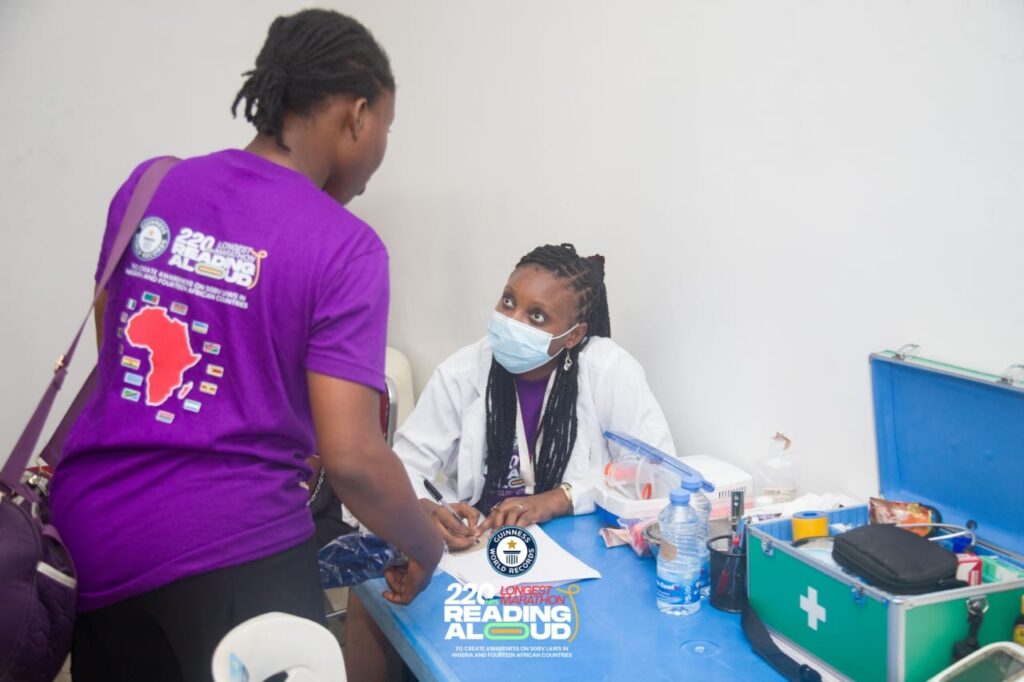
In an interview with Inclusive Times Nigeria on November 16, Gladys Emmanuel, Lead of the Organising Committee, described the attempt as particularly demanding mentally. At the time of the publication’s visit, the timer showed 147 hours, 55 minutes and 42 seconds. Emmanuel explained that medical personnel were part of the support team and that the reading arrangement allowed Uluba five minutes of rest for every hour.
Family members, friends, development partners and members of the public also visited the venue to encourage her, while others followed the exercise through online platforms, including YouTube and Instagram. The support extended beyond those physically present, with people following the marathon and sharing information about its purpose.
Gladys also acknowledged the difficulty of attracting public attention to an initiative centred on reading legal documents. She observed that entertainment-based record attempts, such as dancing or cooking challenges, might draw larger crowds than an exercise focused on legislation. Despite this challenge, the organising team continued to seek support and widen the reach of the initiative.
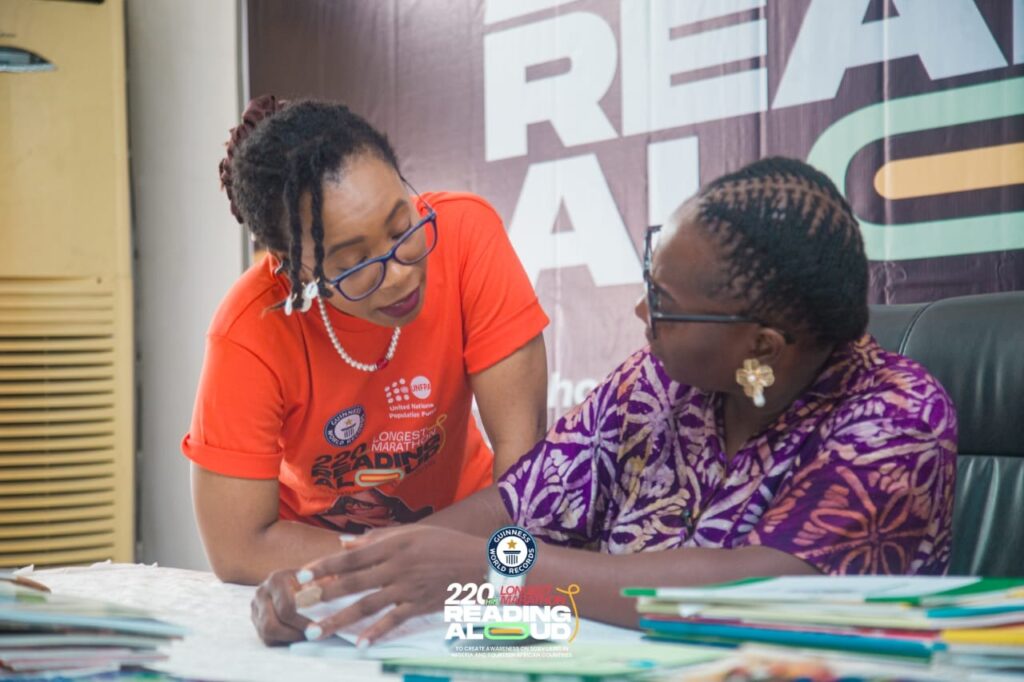
The marathon also received visits from public officials. In an update shared with the organising group around the 80-hour milestone, Emmanuel reported that the team had received the Director-General of the Maryam Babangida National Centre for Women Development and Senator Ireti Kingibe. Their visit was among the expressions of support recorded during the attempt. The November 16 report by Inclusive Times provides a fuller account of the marathon’s demands, the organising team’s efforts and the support Uluba received. It also offers insight into what the organisers hoped would follow after the final hours of reading.
One of the most significant aspects of the initiative is the organisers’ intention to continue the work after the reading marathon. Speaking to Inclusive Times, Gladys disclosed that the team was preparing an outcome statement to be presented to partners at the conclusion of the exercise. The proposed document is expected to identify lessons from the laws examined, highlight gaps in existing legal frameworks and consider provisions that countries could learn from or adapt. The organisers also discussed possible academic symposia and research engagements, alongside the need to strengthen institutional infrastructure and train personnel responsible for responding to SGBV.
This proposed follow-up is important because comparing legislation is only useful when the findings inform changes in policy, institutions and practice. A country may have stronger provisions in one area, but those provisions offer little protection if survivors cannot report violence safely, access appropriate services or obtain justice. Similarly, legislation cannot address the problem effectively when police officers, health workers, judicial personnel and other duty-bearers lack the training and resources to respond.
The organisers’ plans give the exercise a purpose beyond the completion of its 220-hour target. The findings and recommendations must reach the institutions with the authority and responsibility to act on them. Government agencies, legislators and development partners will need to engage with the gaps identified and support practical improvements to the systems that women depend on when seeking protection.
As the marathon approached its conclusion, the organising team issued a message of appreciation to its partners, friends, institutions and supporters on November 15. The message acknowledged the contributions, visits, media coverage and encouragement that had sustained the initiative. It also announced a revised closing schedule. While the earlier Per Second News report had projected that the attempt would end on November 18 at 4:05 p.m., the organising team’s update moved the expected conclusion to November 19, 2026, at 9:21 a.m. WAT.
Supporters were invited to arrive from 8 a.m. to mark the occasion. The organising team described the exercise as more than a record attempt, emphasising that the work of ending SGBV requires awareness, accountability, justice and collective action. Its message also reiterated that knowing the law is not enough if the protections it guarantees are not implemented and survivors cannot access justice. Olubunmi went on to complete the 220-hour reading marathon, reaching the milestone that had required more than nine days of sustained effort. The achievement marked the conclusion of an exercise that brought together legal frameworks from 15 African countries and drew attention to the need for stronger responses to violence against women and girls.
Completing the marathon is a remarkable achievement, taking more than nine days of reading legal documents, while carrying the responsibility of keeping attention on violence against women and girls, demanded extraordinary commitment. This effort deserves recognition, particularly because the subject at its centre is one that too often receives attention only after another woman has been assaulted, abused or killed.
Women also need police stations where their complaints are taken seriously, courts that deliver justice without unnecessary delays, accessible services for survivors with disabilities, adequately trained personnel and institutions that hold perpetrators accountable. They need legal protections that work when they need them, not merely provisions that exist in official documents. The organisers have outlined plans to take their findings further. The next responsibility belongs to the institutions and authorities that can turn those findings into action.