|
Getting your Trinity Audio player ready...
|
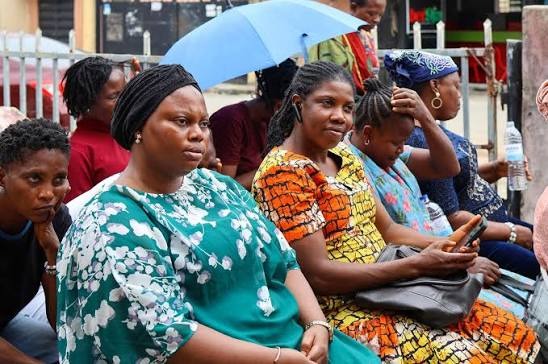
Women’s health is not only a medical issue. It is also an issue of information, access, empowerment and community development. Women’s health campaigns can create awareness, but awareness alone is not always enough. Women also need information that they can understand and apply. They need to know where to seek appropriate healthcare, how to identify potential warning signs and why professional medical advice matters.
Yet across many communities in Nigeria, important health information does not always reach women in a clear, accessible and timely way. Health education are usually limited to particular awareness days rather.
However, here are five essential reasons, women’s health education should treated as an essential part of community development.
- Information is a health resource
Healthcare is often discussed in terms of hospitals, doctors, medicines and medical equipment. But information is also a health resource. A woman who understands the importance of preventive care, recognises possible warning signs and knows when to seek professional medical attention is better positioned to act early. This is why community health education matters.

- Maternal health begins before pregnancy and women should be well equipped
Maternal health should not begin only when a woman becomes pregnant. Women need access to information about their health before pregnancy, during pregnancy and after childbirth.
Education can encourage appropriate antenatal care, preparation for childbirth, recognition of danger signs and timely professional intervention. This can help women become active participants in protecting their health rather than passive recipients of healthcare.
- Fighting health misinformation
Women are also exposed to large amounts of health information online. Some of it is useful, but some is misleading. Some health claims can potentially cause harm when people act on them without professional guidance. Community health practitioners can also play an important role by helping women distinguish reliable health information from misinformation.
- Health education is empowerment
Informed health decisions are a form of women’s empowerment. A woman who understands her health has more confidence to ask questions, seek appropriate care, and advocate for herself. That is why women’s health education should be regarded as an empowerment tool.
- Building healthier communities
When women are informed, the benefits can extend beyond individual households. Healthier mothers, informed caregivers and women who understand preventive healthcare can contribute to healthier families and communities.
Nigeria therefore needs continued investment in community-based women’s health education. Government agencies, healthcare professionals, civil-society organisations, community groups and media platforms can all contribute. The objective should be simple: make accurate health information easier for women to find, understand and act upon.
About Adebisi Victoria Kehinde
Adebisi Victoria Kehinde is a Nigerian Community Health Practitioner and Founder & CEO of Goodness & Mercy Care Hub, a community-health organisation focused on health education, disease prevention, women’s health awareness, maternal and child health, mental health awareness and public-health advocacy.



One Comment