|
Getting your Trinity Audio player ready...
|
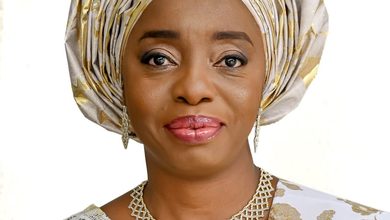
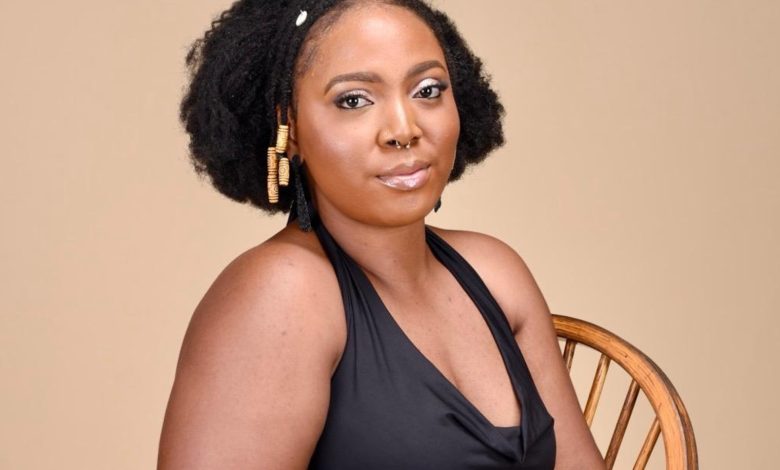
Elohor Egbordi is a feminist, literary editor, and public health specialist whose work centres on education as a powerful tool for women’s empowerment and social transformation. From fundraising to keep girls in school to advocating for stronger protections for young women, she speaks with Naija Feminists Media about growing up in the Niger Delta, the gradual shaping of her feminist consciousness, and why feminist solidarity must be bold and unapologetic.
4 Insights from Elohor Egbordi on Empowering Girls
- When and how did you personally come to feminism? Was there a moment, experience, or process that shaped your feminist consciousness?
I won’t say there was a single defining moment. It was a culmination of experiences both lived and observed, growing up. I didn’t fully identify as a feminist until I was maybe 25 years old, even though I had feminist-leaning tendencies for about a decade before that. I’m a Niger Delta woman who grew up in the Niger Delta.
Watching the marginalisation of women in their second-class status, doing all of the work and getting none of the glory, radicalised me. I remember reading The Joys of Motherhood at 11 and being so sad and appalled that a woman’s worth could be reduced to just one thing. I didn’t want that for myself and for the women around me.
- What issues affecting women and girls are you most focused on right now, and why do you believe these issues require urgent attention?
Right now, I’m very big on education, as it is the single most important thing that’s changed the trajectory of my life in such a fundamental way. I encourage women and girls to go to school, to study, because an educated woman is a weapon. She can do a lot of things.
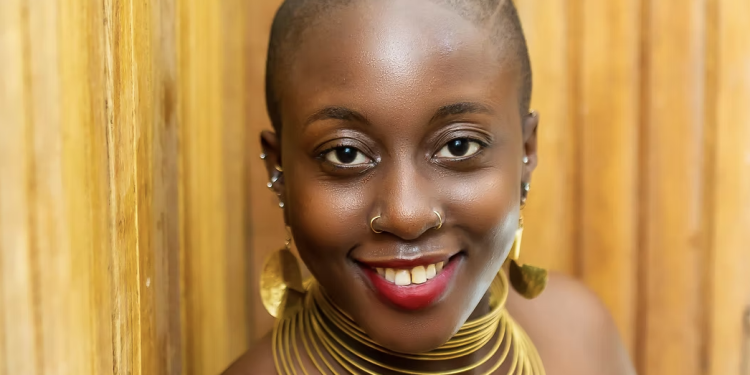
I am one individual who’s not affiliated with any NGOs, but I raise funds multiple times each year to get teenage girls into schools, to continue their education, and for career and life advancements for women.
- From your perspective, which law, policy, or systemic change should be prioritised to improve the lives of women and girls, particularly in Nigeria or your community of work?
We need stronger laws and law enforcement around the age of consent in this country. Little girls are still being married off daily, and this leads to more teenage mothers, health issues, and the perpetuation of generational poverty. More systems need to be put in place to prevent girls from falling into this soul-sucking, wicked thing that’s done to them.
- What does feminist solidarity and collective action look like to you, and what message would you like to share with younger or emerging feminists?
Feminist solidarity means all women coming together to take a stand for something that benefits us. Just for us. I think about the women of South Korea and their 4B movement, and I’m in awe and slightly jealous. What they’re doing is what feminist solidarity is to me, in a nutshell. To the younger women, be audacious. In every small way, let your voice be heard and your feelings known. You deserve to take up space.