|
Getting your Trinity Audio player ready...
|
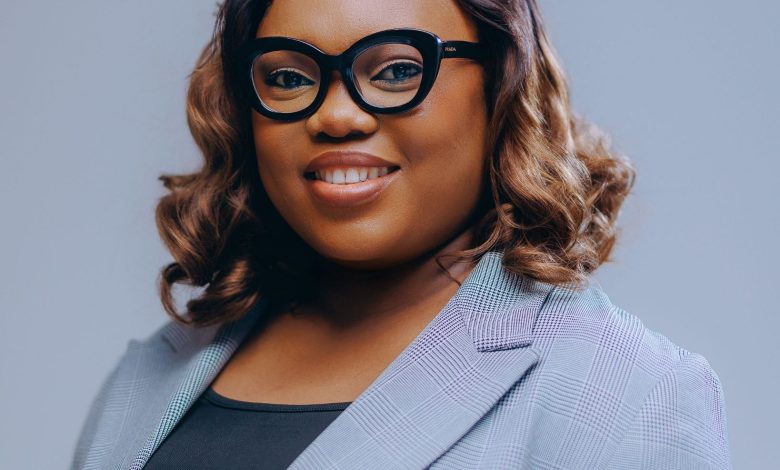
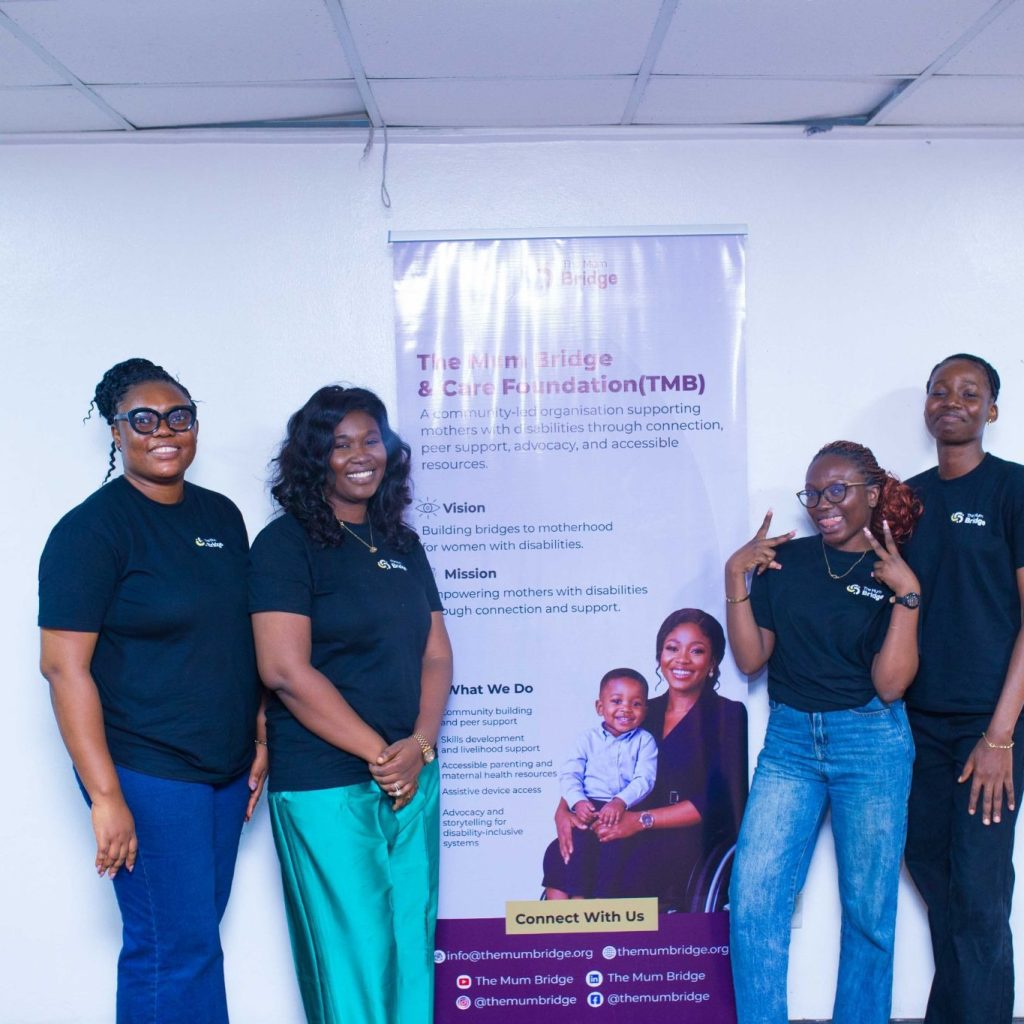
Solace Olabode is the Founder and Executive Director of The Mum Bridge, a Nigeria-based organisation building support systems for mothers with disabilities through community, advocacy, accessible resources, and practical support initiatives.
A mother living with bilateral hearing loss, Solace founded The Mum Bridge from lived experience after recognising the deep gaps many mothers with disabilities face in healthcare, parenting support, economic opportunities, and access to information.
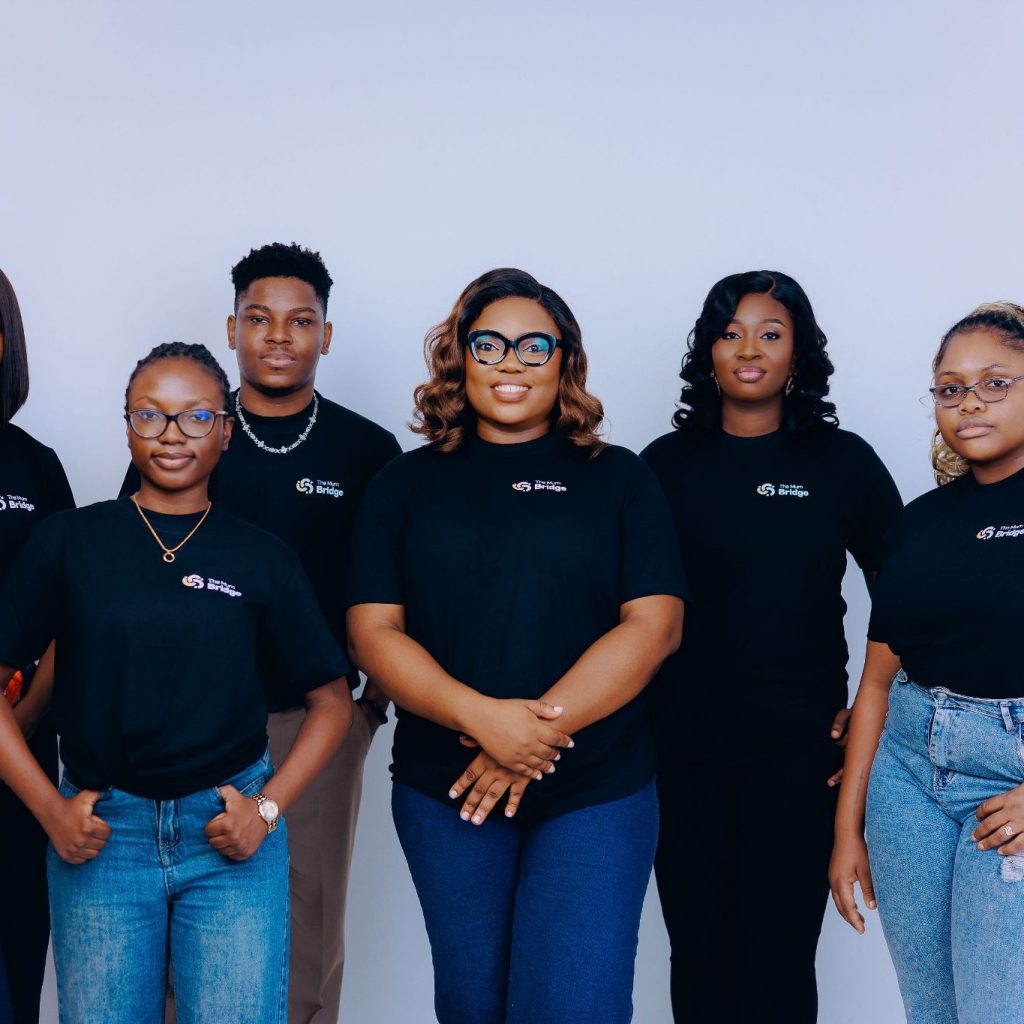
Working alongside the organisation’s Board of Trustees and growing team, Solace is building The Mum Bridge into an active support community working towards long-term systems change around disability and motherhood. She believes mothers with disabilities should not only be included in conversations about disability and parenting, but should also actively shape the systems that affect their lives.
In an interview with Naija Feminists Media, Solace Olabode shares how motherhood, disability and lived experience are shaping a movement for inclusion through The Mum Bridge.
Solace Olabode on Building Support Systems For Mothers with Disabilities
- As the founder of The Mum Bridge & Care Foundation, how has your lived experience as a mother with hearing loss shaped the vision and direction of the Foundation?
My lived experience is the heart of The Mum Bridge. During my pregnancy, I realised there were no resources for intending mothers like me, and it was after I became a mother that the reality truly settled in.
I began to see how difficult motherhood becomes when systems are not designed with women like me in mind, not only in parenting, but also in navigating healthcare, communication, work and daily life while living with a disability.
I realised many mothers with disabilities are simply expected to adjust, even when support is absent. Some are isolated, some are unheard in healthcare spaces, and some are judged before they are even given the chance to parent.
I did not want to build an organisation that speaks about mothers with disabilities from a distance. I wanted to build one rooted in lived experience, dignity and practical support. Everything we are building comes from listening closely to mothers and creating the kind of support many of us wish had existed earlier.
- Can you describe a specific challenge a mother with a disability in Nigeria might face when trying to access basic services like healthcare or education?
A deaf or hard-of-hearing mother may attend a hospital appointment with no interpreter, no written explanation and no effort to ensure she understands what is happening during pregnancy or childbirth. Some are also pushed toward the caesarean section (CS) route even when there are no medical complications, simply because providers are unwilling or unprepared to communicate properly.
For mothers with physical disabilities, the barriers include inaccessible buildings, unsuitable examination spaces and transportation difficulties.
One mother in our community shared how school meetings for her child were never designed with accessibility in mind. She constantly struggled to participate in conversations about her own child’s education and was repeatedly made to feel like she should stay home rather than be involved in meetings.
In workplaces, mothers with disabilities often face assumptions that they are less capable or too difficult to accommodate. These barriers may seem small individually, but together they affect dignity, safety and economic stability.
Most mothers with disabilities are not asking for special treatment. They are asking for systems that include them fully.
- The Mum Bridge has several programmes addressing the challenges mothers with disabilities face. Can you share a bit of these programmes? Which of the programmes would you say has been the most effective and why?
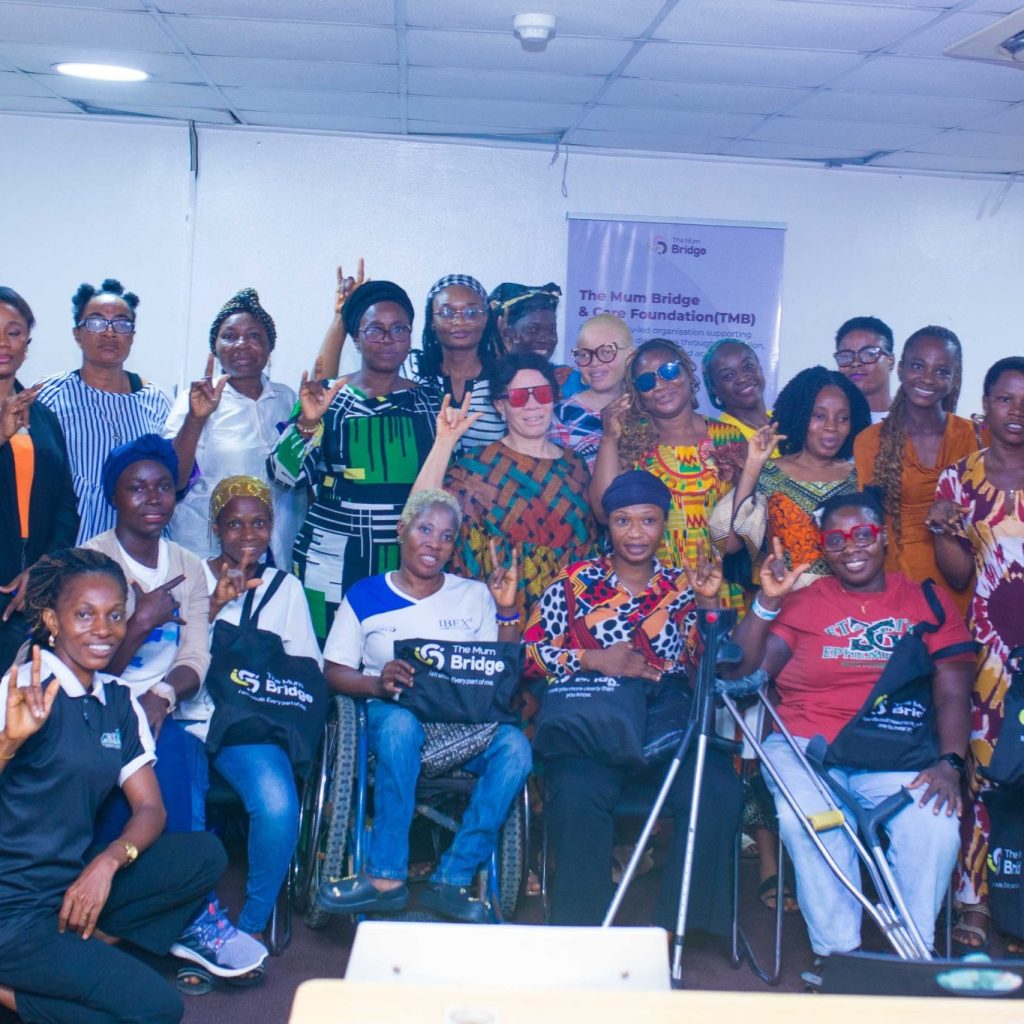
One of the strongest parts of The Mum Bridge today is our active WhatsApp community, which has become a peer support space for mothers with disabilities to connect, ask questions, share experiences and support one another honestly.
From listening to mothers directly, we began building programmes around the needs they expressed most. These include peer support circles, mentoring, parenting resources, mental health support, healthcare navigation, financial literacy and economic empowerment.
We also created The Mums You Don’t See, our storytelling series focused on the realities of motherhood and disability in Nigeria, and recently launched The Mum Bridge Circle, an in-person gathering designed to reduce isolation and build community.
Another important area for us is developing disability-inclusive maternal healthcare worker training and practical support systems tailored to African realities and community settings.
The peer support community has been most effective so far because it addresses the most immediate need, which is isolation. Many mothers have never been in a space where they did not have to explain or defend their experience. The community gives them that, and it helps us listen better and build programmes truly shaped by mothers themselves.
- In the context of disability inclusion in Nigeria, what are the most urgent gaps you believe organisations and the government are still not addressing for mothers with disabilities?
The biggest gap is invisibility. Mothers with disabilities are largely absent from conversations around healthcare, parenting, economic empowerment and policy. Many healthcare workers want to help but have not received training on accessible communication or how disability affects pregnancy and parenting.
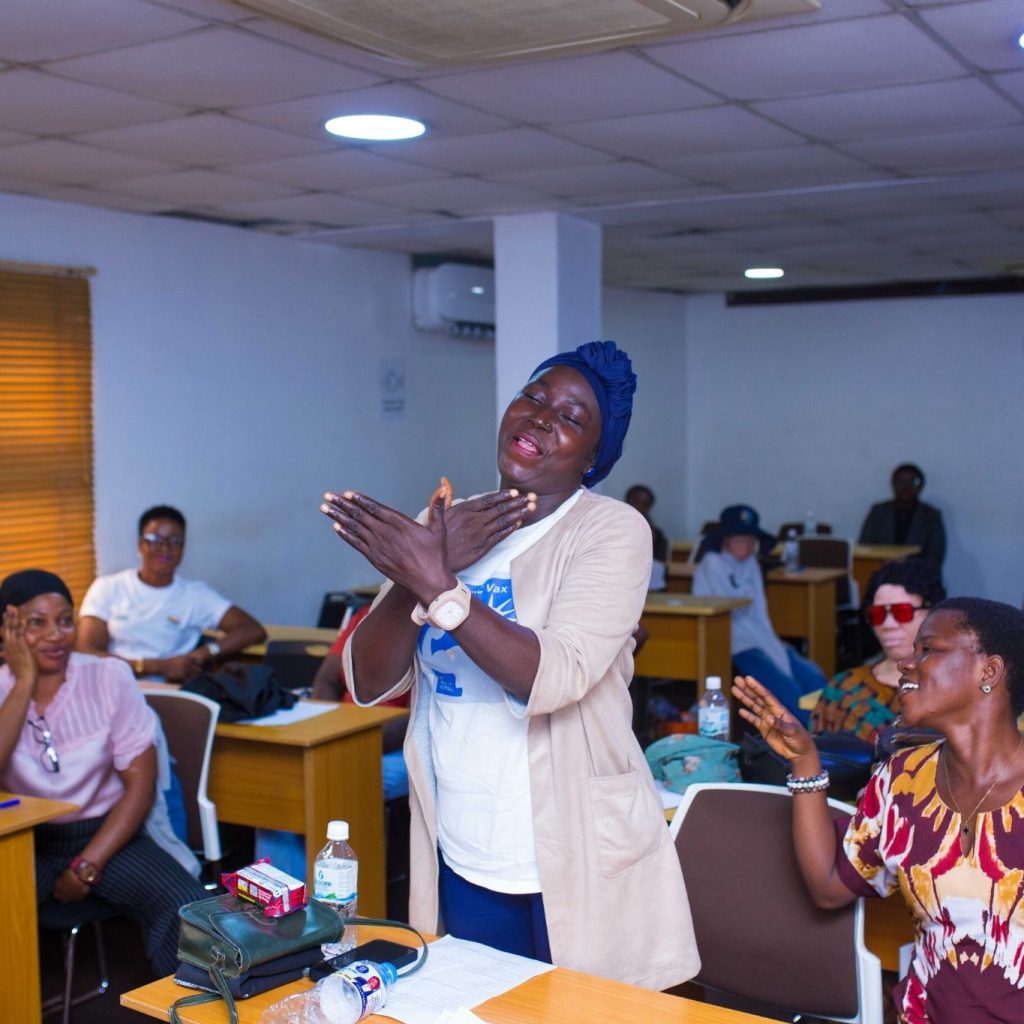
Beyond awareness, we need systems change. Accessible facilities, stronger referral pathways, inclusive workplace policies and social protection that recognises what these mothers face daily, and most importantly, decisions about mothers with disabilities must involve mothers with disabilities.
- What message would you like to share with policymakers, healthcare providers and society at large about supporting mothers with disabilities?
My message to policymakers is that inclusion must move beyond documents and appear in healthcare, education, employment and community structures. Also, healthcare providers, the corporate world and businesses must provide clear communication, accessible environments, patience, and respectful treatment, which could completely change a mother’s experience of care, work, and everyday access.
Also, the society must learn that disability does not remove a woman’s ability to love, nurture or lead. The problem is not motherhood with a disability. The problem is the barriers society continues to place around it. We are good mums, not despite our disability; we are just good mums.
- What are your long-term goals for the Foundation, and how do you hope to scale its impact across Nigeria or beyond?
We want The Mum Bridge to become a trusted support system for mothers with disabilities across Nigeria and beyond, through peer circles, healthcare worker training, community mobilisation, accessible resources, economic empowerment and storytelling.
Scaling for us is not only about numbers. It is about building something community-led, accessible and deeply human. If more mothers with disabilities find support, dignity and community because The Mum Bridge exists, we are moving in the right direction.