|
Getting your Trinity Audio player ready...
|
Summary: Governance and institutional reform adviser Ini Abimbola has called the proposed Women’s Reserved Seats Bill the clearest test of Nigeria’s commitment to inclusive governance before the 2027 elections. She warned that time is running out for lawmakers to pass the legislation.
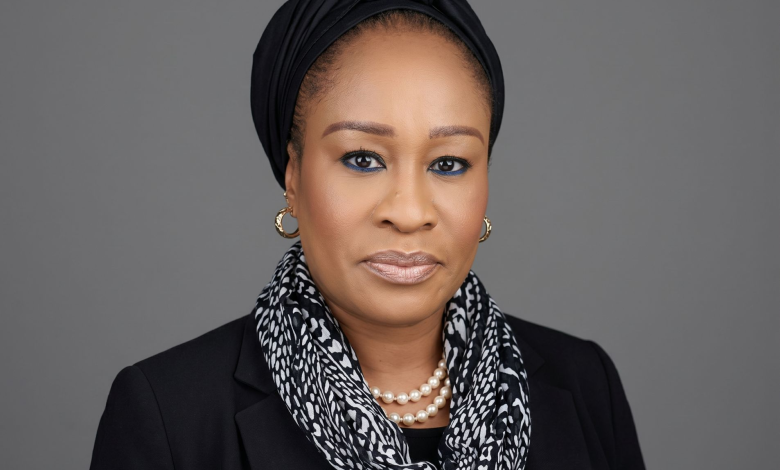
Ini Abimbola, a governance and institutional reform expert, has urged the National Assembly to pass the proposed Women’s Reserved Seats Bill before the 2027 general elections.
In a LinkedIn post on June 8, 2026, Ini argued that the bill, which seeks to create up to 182 additional legislative seats for women across the National Assembly and state Houses of Assembly, represents “a critical test of Nigeria’s ability to address long-standing gender disparities in political representation.”
Ini highlighted Nigeria’s low representation of women in elected office, noting that women occupy only a small fraction of seats in the Senate, House of Representatives and state legislatures. According to her, the women’s bill has reached an advanced stage in the legislative process while advocacy groups continue to push for its passage before the next general election cycle.


She argued that countries that have significantly increased women’s political participation did so through legal and constitutional reforms rather than voluntary measures, citing examples from other African nations that adopted quota systems.
“Rwanda did not reach the highest women’s representation on earth through encouragement; it legislated a constitutional minimum. Senegal reached 44% through an enforced parity law, not mentorship. The countries that moved the number wrote the requirement into law, and the ones that relied on goodwill, Nigeria among them, did not move it at all,” the governance and institutional reform expert states.
Ini also framed the issue as both a governance and economic concern, arguing that legislatures that better reflect the populations they serve are more likely to produce inclusive policies and strengthen public trust in institutions. Ini warned that if the legislation fails, it would likely be due to opposition within the legislature rather than public rejection, recalling the failure of gender-related constitutional amendment bills in 2022.
Urging for a prompt passing of the women’s bill, Ini noted,
“The bill is not a guarantee of good governance because no structural reform is. Rather, it is the single clearest test before 2027 of whether Nigeria’s institutions can correct an imbalance that everyone sees and almost no one defends on its merits.”