How X Incentivises Body Shaming Leading to Women’s Exclusion on Platform
|
Getting your Trinity Audio player ready...
|
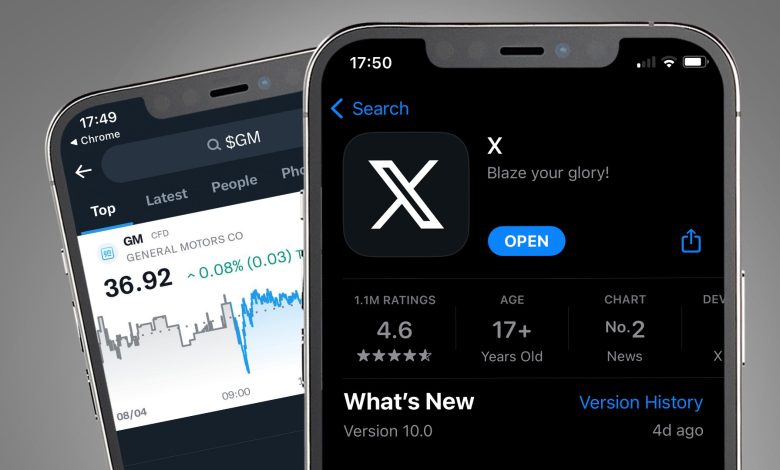
Photo source: TechRadar.
On her phone, X (formerly Twitter) notifications were popping up; from her recent post, remarks were flooding in. Twenty-five-year-old Wonuola had posted her picture and body size on X in hopes of getting a modelling job, but what came instead was a torrent of body-shaming comments.
“Fat idiot, land whale, hippopotamus, half bag of rice…” were some of the hateful words targeted at her. There were also hurtful comments such as “lazy puff puff” and even horrific ones like “You did not pity people who will carry your casket when you die?”
In the mix of the hate speech was also misinformation and dangerous advice.


Wonuola was advised to “eat less” and “work on her body.”
“You can’t just eat whatever you want and live however you want and then want the same result as another person who put in the effort to be a model,” one X user, Dionysus Okechukwu, told her, adding a sting of insult, “stop being lazy!”
However, Dr Irene Udebuana, a medical practitioner, told Naija Feminists Media (NFM) that although not eating can lead to temporary weight loss, it is not a safe or sustainable method.
“When you skip meals or starve yourself, your body goes into ‘stress mode,’ slowing down metabolism and even breaking down muscle instead of fat over time,” Dr Irene explained. “Skipping meals increases stomach acid, which can irritate the stomach lining and, over time, lead to a peptic ulcer.”
Sharing a similar sentiment, Dr Eli Miracle, a medical practitioner, emphasised that starvation is not healthy. She told NFM that people looking to lose weight should adopt a combination therapy by reducing carbohydrate intake, increasing fruit consumption, and pairing it with exercise.
An X user, Clarity (@Chi_lady_89), also said Wonuola cannot get a modelling opportunity at her current weight.
“A fat chubby model? Never happened and will never happen,” she added. “You need to lose some fat if you want to stand a chance of being picked.”
However, Misturah Abisola, the Chief Executive Officer of Misty Glam Company, a modelling agency, told NFM that the modelling industry is not meant for only thin or slim people.
“Over the past few years, there has been an increasing push for body diversity and representation. That’s why we now see plus-size runway shows, adaptive fashion campaigns, and diverse body types in beauty and commercial advertising,” Misturah said.
However, the misinformation targeted at Wonuola continues with an X user (@Armanihdew) falsely describing her as a “fat bouncer who showed up to Zlatan’s modelling show and got rejected.”
X– the platform enabling it all
With over 251 million daily users, X ranks 15th among the world’s most used social media platforms. The platform was founded in 2006 by four people: Jack Dorsey, Noah Glass, Biz Stone, and Evan Williams. Sixteen years later, billionaire entrepreneur Elon Musk acquired the bird app for $44 billion, with the mandate to turn it into a platform for “free speech.”
As part of his agenda, Elon made several changes to the platform, including reinstating banned accounts and reducing the platform’s content moderation teams, such as the staff responsible for trust and safety.
X also stopped being a signatory to the European Union’s code of good practice against disinformation, now known as the Digital Services Act (DSA) code of conduct.
These weakened content moderation, particularly in regions like Nigeria, negatively affect women. Wonuola told NFM that she has been frequently body-shamed on X.
“My first experience of body shaming on the platform was in 2023, when I posted a picture of myself at 3 am after a club outing with a friend,” Wonuola recalled. “I woke up to see comments from people asking why my stomach was so big, and it’s been up from there.”
Wonuola’s post in March 2026 had also gained over 6 million views and 1,900 likes within 48 hours on the platform.
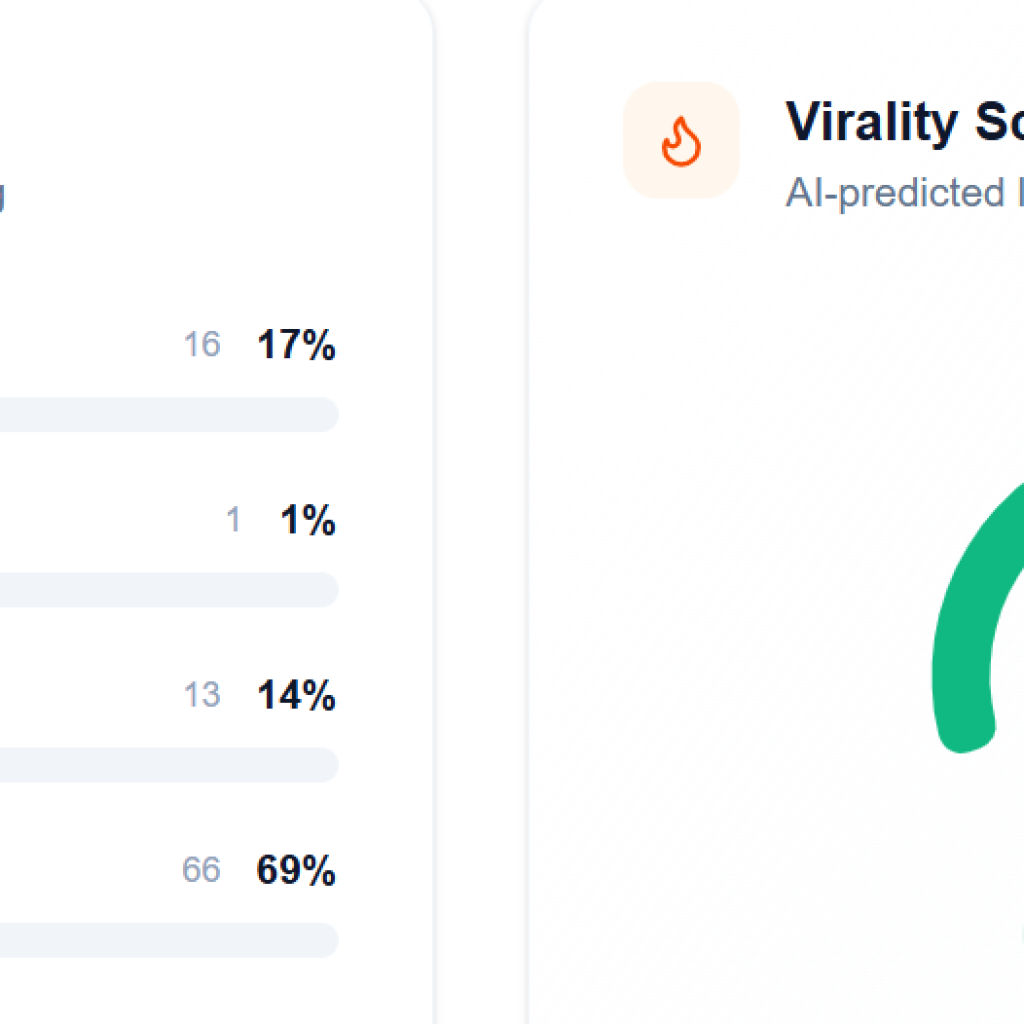
A snapshot of reply categories and virality. Photo source: Microsoft Poster.
NFM used an AI social media analysis tool, Microsoft Poster, to examine 109 comments on Wonuola’s posts and found that the comments were heavily focused on body-shaming and unrealistic beauty standards. The tool analysis revealed that 66% of the comments on her posts were negative. Although 19% of the comments were neutral, only 15% were positive.
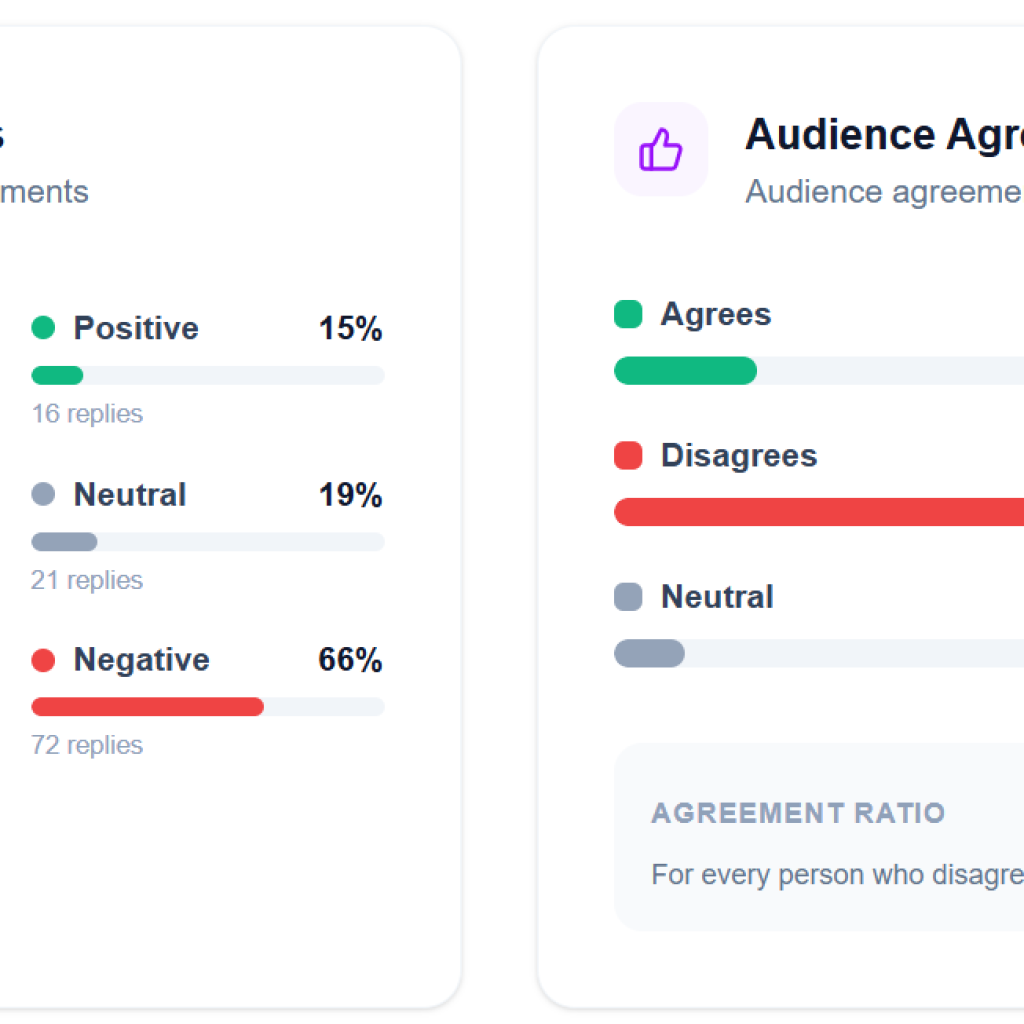
A snapshot of the analysis from Microposter. Photo credit: NFM.
The analysis noted that the negative reactions undermined Wonuola’s professional appeal and the likelihood of her getting the modelling job she was pitching for.
Clinical psychologist Kauna Malgwi also told this reporter that the body shaming, such as the one Wonuola experienced, often leads to chronic psychosocial stressors and, in many cases, appearance-based trauma.
NFM observed that most negative comments on Wonuola’s posts came from accounts with a blue checkmark. The X blue checkmark is a subscription service that gives paying users higher prioritisation, including greater platform virality and the ability to monetise their tweets.
Digital expert Chioma Agwuegbo told this reporter that X’s content monetisation policy directly contributes to online violence, such as body shaming.
“Platforms like X are paying based on engagement from verified users; therefore, the platforms have built systems where reactions are rewarded regardless of who is harmed, whether it is humiliation or body-shaming,” Chioma said.
‘I left X due to body-shaming’
While Wonuola’s first body-shaming experience on the platform was in 2023, some women have experienced such negativity for far longer. Thirty-two-year-old Ola Igwe told NFM that her first experience of body-shaming on X was in 2012.
“A random person I never knew from anywhere faked a tweet with a person’s naked picture, with the face obscured, and lied that it was me,” Ola, who is also a data revenue consultant, recalled. “I was bullied for days and called a fat, ugly whore.”
Unable to withstand the cyber attacks, Ola deleted her account for two years. When she returned to the platform in 2014, her experience didn’t get any better.
On March 11, 2026, an X user with almost half a million followers, Do2dtun Energy gAD (@iamDo2dtun), posted a picture of Ola with an ogre next to it and tagged her “Ikorodu Ursula.” Ursula is a villainous plus-size sea witch from Walt Disney’s animated film The Little Mermaid.
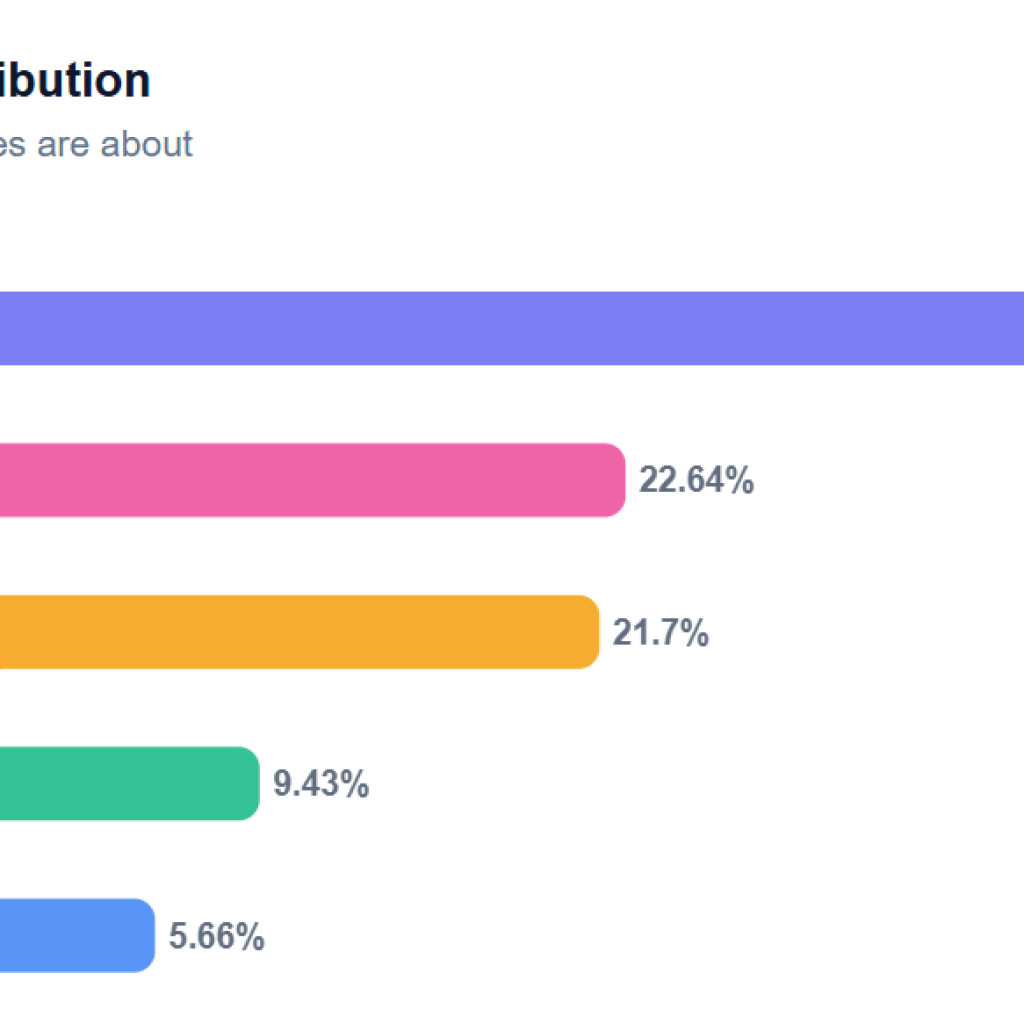
Analysis of comments reacting positively to Do2dtun’s body-shaming of Ola. Photo source: MicroPoster social media AI analysis.
The post attracted over 150 comments validating the mockery, with one X user, Mufas (@Mufas001), stating, “Na fat women get this week’s subs (insult).”
Ola told NFM that the constant mockery on the platform has led her to limited participation on X, with her “taking frequent breaks.”
In line with Ola’s coping strategy, a recent report revealed that safety and security fears contribute to women and girls’ digital exclusion. Millions of women, about 16 to 58%, have experienced online violence, such as cyber attacks, non-consensual image-sharing, and gendered disinformation, resulting in their lack of full digital participation.
This reduced digital productivity, however, has economic implications for low- and lower-middle-income countries like Nigeria. In a year, developing countries suffer a $126 billion revenue shortage due to women’s reduced digital participation.
X contradicts policy
According to X policies, the micro-blogging platform prohibits any form of abuse, including any “behaviour and content that harasses, shames, or degrades others.” It states that they “take action against the use of insults or profanity to target others.”
The platform explained that it prohibits such actions because it understands that “in addition to posing risks to people’s safety, these types of behaviour may also lead to physical and emotional hardship for those affected.”
As such, X urges those directly affected by abuse and harassment to contact them so they can take “appropriate and proportionate enforcement action.”
However, Wonuola told NFM that X declined to take action when she reported body-shaming comments targeted at her to the platform.
“It was a whole lot; they were even arguing with me,” Wonuola said, recalling past attempts to report posts.
Subsequently, NFM reported some of the derogatory comments on Wonuola’s modelling post, such as @Damsonswagoo’s post that used Wonuola’s picture as a poster face for the “second biggest animal in the world after the whale.”
But X said it hadn’t violated their rules.
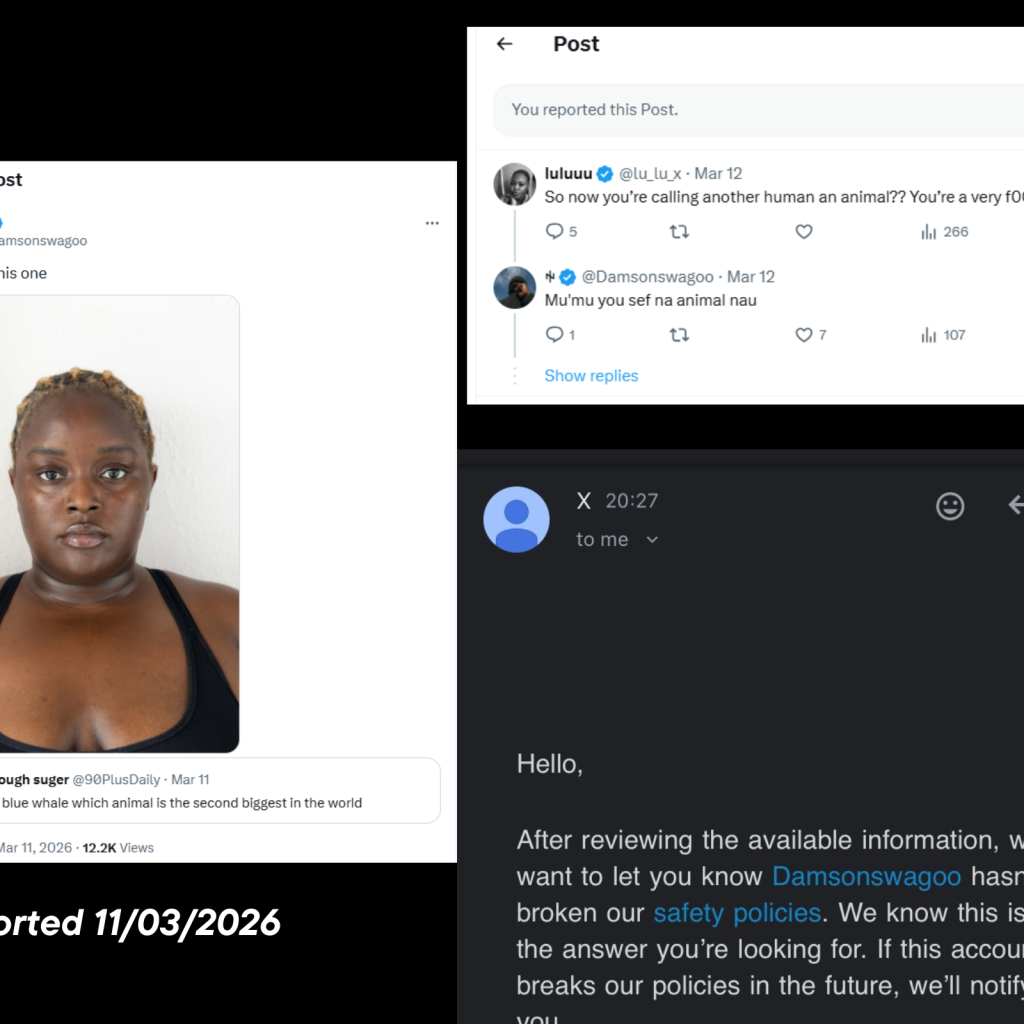
A collage of X’s response before and after NFM’s report.
We then reported another X user’s post that had called her a “fat peeg.”
X came back with the same monotonous reply, “This user has not broken our safety policies.”
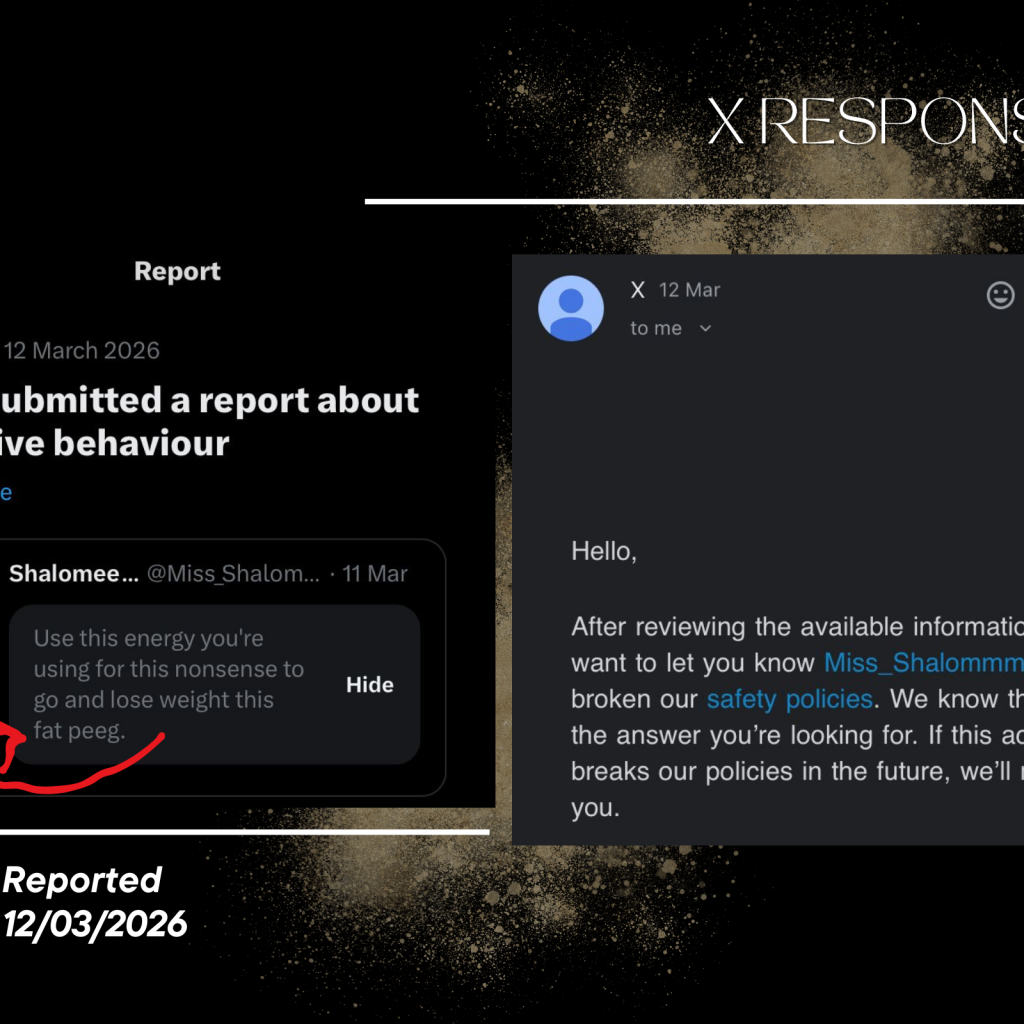
A collage of NFM’s submitted report with X’s response.
On the same day, we reported a more explicit abuse, where an X user had called Wonuola a “fat idiot.”
X confirmed receiving the report but took no action as of July 4, 2026.
This reporter then contacted X via their press email for clarification on why their actions contradict their policy, and how they intend to resolve it, but the only response received was that “the email is unmonitored.”
Kauna, who is the President of African Content Moderation, told this reporter that X’s lack of action is due to a combination of policy enforcement gaps, context collapse, algorithmic prioritisation, threshold ambiguity, and labour conditions in moderation.
She explained that body shaming is often framed as “opinion,” “humour,” or “banter,” and automated systems struggle to detect harm when abuse is indirect, coded, or culturally specific. She added that moderators, especially in the Global South, like Nigeria, are frequently under-supported, leading to harmful content being allowed.
Nigeria struggle to protect digital citizens
Lawyer Christiana Longe told this reporter that there are provisions in the Cybercrimes Act that could address digital body-shaming, specifically section 24 (2)(B), which prohibits cyberbullying. However, Legal practitioner Dogo Joy noted that it comes with limitations.
“Merely shaming a person is not criminal in nature nor is it a civil wrong.” Victims can only apply the Cybercrimes Act in limited circumstances where the user is threatened “in a way that instils fear of death, violence, or physical harm.”
Gbemisola Esho, cybersecurity expert and founder of technology initiative Connectobridge, also noted that victims are typically reluctant to utilise the Cybercrime Act because of a lack of public trust in the police.
Aside from the Cybercrime Act, Nigeria has a framework for social media operators’ accountability. The National Information Technology Development Agency (NITDA) released the Code of Practice for Interactive Computer Service Platforms/Internet Intermediaries on September 26, 2022.
The framework, designed for all Internet Intermediaries, including social media platform operators, is intended to safeguard the security and interests of Nigerians regarding activities conducted in the digital ecosystem.
It mandates that large service platforms such as X be incorporated in Nigeria, have a physical address in the country, and appoint a Liaison Officer to serve as a communication channel between the government and the platform. Delta North representative Senator Ned Nwoko also sponsored a similar Act, the amendment to the Nigeria Data Protection Act, 2023, which mandates social media platforms to establish physical offices in Nigeria.
NITDA’s code of practice obligates social media platforms to remove content that “harass, disrepute or intimate a user” within 48 hours of receiving such a complaint, and mitigate the impact of such harmful content. The Act urged platform owners to assess content in consideration of the direct or indirect physical or psychological impact on users, the material risk of the content’s dissemination, such as virality, and the socio-cultural peculiarities of Nigeria.
However, with X’s refusal to remove body-shaming comments on Wonuola’s posts when reported, this reporter contacted NITIDA via email to ask what actions they are taking to ensure social media platforms like X comply with the Code of Practice. NITIDA acknowledged the request but has yet to provide answers.
Meanwhile, agencies like the National Broadcasting and Communications Commission (NBC) are also attempting to regulate social media platforms. In 2023, the former Director-General of the NBC, Balarabe Ilelah, said that unless there is a law that allows the NBC to regulate social media, it will remain a “monster” in the country.
Subsequently, he announced that a “Social Media Regulation Bill” had been sent to the National Assembly. The bill will repeal and reenact the NBC Act, CAP L11, Laws of the Federation of Nigeria 2004, empowering the agency to regulate social media as part of its mandate. Balarabe emphasised that the bill will address the ills associated with social media.
When this reporter contacted NBC via email for an update on the bill, the Agency Public Affairs Officer, Sams Felicia, acknowledged it but has yet to respond to the inquiries.
Expert calls for strengthened platform governance
Chioma, who is also the founder of TechHer, a social enterprise that advocates for women’s digital inclusion and supports survivors of gender-based violence, advised that the government must first understand the gaps in digital rights.
She said lawmakers must align offline laws with online policies, and implement an Accountability Framework to protect digital citizens rather than attempt to censor, regulate, or impose blanket bans on social media platforms.
“Nigeria needs a piece of legislation that explicitly states that tech platforms have an obligation to protect the people who use them and impose a duty of care upon them,” Chioma said. “The government also needs to require transparency from big techs, such as asking for data on the prevalence of abuse in Nigeria, whether body shaming or image-based abuse.”
Chioma further advised that the data the government acquires from tech platforms like X should be used to implement targeted interventions, such as digital citizenship education, and to fund support for survivors.
Content moderation expert Kauna advised that X should strengthen its policy by explicitly defining body shaming and include examples to reduce ambiguity in enforcement. She also advises that X integrate advanced, proactive comment controls to prevent users from posting harmful content.
Further, posts should not be analysed in isolation. “Systems should detect patterns in which a single user’s comment on a post cumulatively contributes to the targeted harassment of an X user.”
She added that “the platform should implement culturally adaptive AI models trained on diverse linguistic and social contexts, especially in regions like Africa, to better understand nuances.”
Inclusive advocate Misturah urged X to utilise its algorithm to mitigate the cycle of body shaming on its app.
“The platform can intentionally spotlight creators and professionals from diverse body types, including plus-sized models, so that representation is normalised rather than treated as unusual,” she said. “Instagram does it to a large extent. During disability or inclusion-focused weeks, the algorithm shows a lot of content from diverse creators, and we need more of that on X.”
Meanwhile, Wonuola told NFM that X’s refusal to remove bodyshaming content makes her feel like “she is on her own in this world.”