NFM’s Investigation on Girl-Child Labour in Sokoto Sparks Reactions, Readers Urge State Intervention
|
Getting your Trinity Audio player ready...
|
When Naija Feminists Media (NFM) published its investigation into malnutrition and child labour among Sokoto’s “Yarinya” girls, the response that followed, especially among Nigerians who lived in the same community, reflects a shared recognition that gendered blind spots, not just resource gaps, are what kept this crisis unresolved for a decade
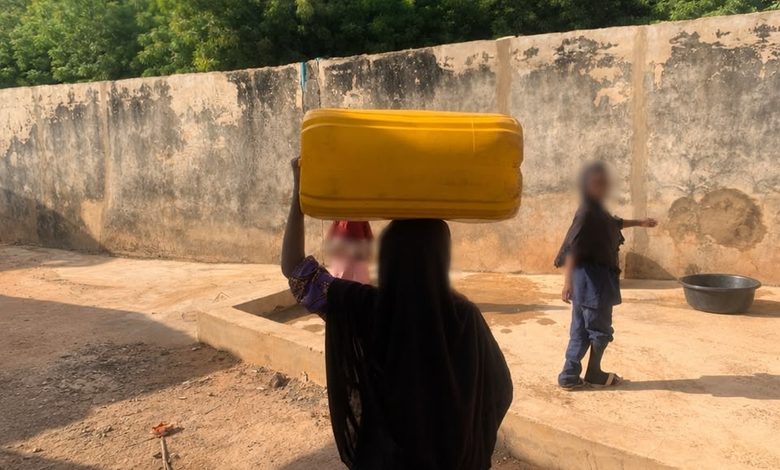
The investigation revealed that girls as young as five worked on Usmanu Danfodiyo University Sokoto (UDUS) campus, sweeping, mopping, fetching water, and washing dishes for students, and often ate spoiled food and leftovers out of hunger, despite Sokoto State offering free education through university. Legal experts noted this labour squarely violated the Child’s Rights Act 2003, yet enforcement remained virtually nonexistent, and nutrition experts warned the girls faced long-term risks of stunting, organ damage, and impaired development.
The report also uncovered that UDUS’s Student Affairs Division had known about the “Yarinya Girls” since at least May 2024, when it issued a directive barring them from female hostels over “sanitation challenges”— formalising their labour rather than confronting it as child exploitation. With 33.5% of women in Sokoto State married before 15, the investigation framed the girls’ hunger and labour not as poverty alone, but as a gendered verdict on whose needs a household is taught to prioritise.
Across LinkedIn, Facebook, and private WhatsApp shares, readers responded not by expressing shock, but by locating the story inside their own histories, prior attempts to intervene in the same crisis, years earlier, that had quietly failed or stalled.
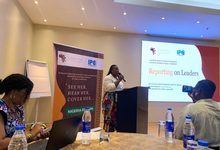
On LinkedIn, Uchenna Emelife, a PhD researcher in African children’s literature at Aarhus Universitet in Denmark, highlighted the report’s “intersectional and gendered perspective.”
He singled out the report’s account of the university’s 2024 directive as its most damning line: that it “treats the presence of these girls as a hygiene problem to be managed rather than a child labour and welfare issue requiring intervention.”
He connected the observation to his own past work. During his time on the Pen Press editorial team at Usmanu Danfodiyo University Sokoto (UDUS), he said they had produced a documentary and written several essays on the conditions facing “Yaro” boys and “Yarinya” girls, hoping the coverage would spark an intervention, but he expressed disappointment that very little has changed.”
On Facebook, a commenter using the name Comrde Jabo took the story further than its original scope, arguing that many of the children involved are not simply poor but displaced, driven from their villages by banditry and left, in his words, “as if they are stateless.”
He alleged that where even informal hostel labour is inaccessible, some children turn to transactional sex to survive, and he extended the criticism to the state’s fiscal priorities, pointing to subsidy allocations he said had “enriched governors rather than reached displaced populations.”
Ajibike Abdulbasit Abiodun, replying to a WhatsApp status repost of the story, shared that in 2023 his team had secured a grant to train fifty of these children in vocational skills, cap-making, catering, shoe-making, hairstyling. But the programme did not survive because they ran out of funds, and the academic demands on the team running it became unsustainable.
Across all three platforms, the debate is not whether the crisis is real. Every respondent conceded that. What emerges instead is a pattern: Nigerians with direct, prior experience trying to intervene in this exact issue arriving independently at the same conclusion, that their efforts were not defeated by indifference but by an absence of sustained institutional will.
As of the time of this reporting, the Sokoto government remains silent on institutional intervention to support the girls and mitigate child labour.