International Day for the Eradication of Poverty: How Poverty Keeps Women and Girls at a Disadvantage
|
Getting your Trinity Audio player ready...
|
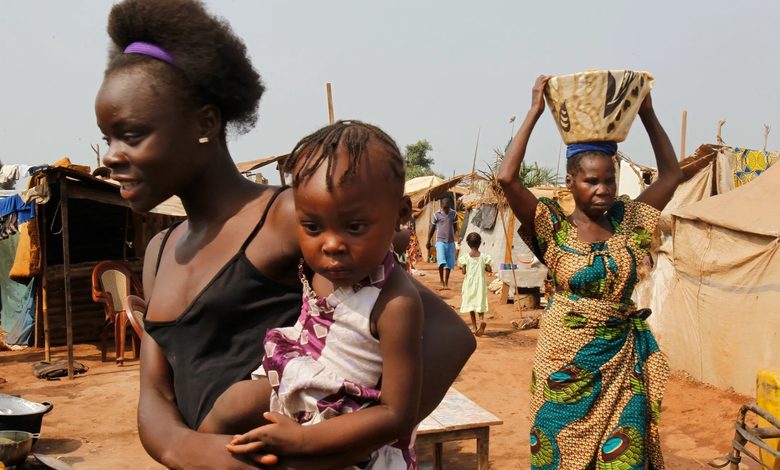
The United Nations marks the International Day for the Eradication of Poverty every year on 17 October. In 2026, it falls under the 2026–2028 theme, United for Peace and Human Rights, with this year’s focus on Safe Homes for All. The UN focuses on how inadequate or insecure housing can undermine access to healthcare, education, employment, and a dignified life. These concerns affect women, especially women raising children, women living alone, and girls growing up in households without secure housing.
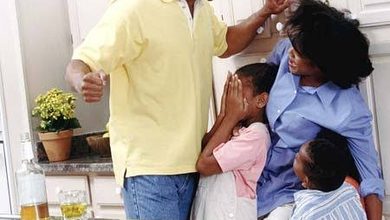
Poverty makes life harder for millions of people, but women and girls face barriers that can leave them with fewer ways out. A woman may work from morning until night and still have no money of her own. A girl may miss school because her family cannot afford the fees and other expenses, while her brothers continue their education. A mother may remain in a violent marriage because she has nowhere else to live and no income to support her children. For many women, poverty comes with restrictions on what they can earn, own, decide and do with their lives.
These experiences connect to how societies distribute resources and responsibilities between women and men. In many households, women are expected to cook, clean, care for children and look after sick or elderly relatives, even when they also have paid jobs. Girls are also expected to take on these responsibilities early, leaving them less time for school and other opportunities.
Meanwhile, men are more likely to be seen as the household’s primary earners, even when women contribute most of the income; when money is scarce, these expectations can have serious consequences. Girls may be withdrawn from school, women may take poorly paid work that allows them to meet family responsibilities, and mothers may sacrifice their own needs to feed their children. Women who do not have savings, property or reliable sources of income can also find it harder to leave abusive relationships or recover from the loss of a job, a partner or a family home.

Poverty in Nigeria: The Numbers Behind Women’s Disadvantage
Global poverty estimates reflect the scale of the problem: a 2025 World Bank analysis of poverty trends among women estimated that 401.3 million women and 388.9 million men lived on less than US$3 a day in 2024, measured using purchasing-power adjustments based on 2021 prices. This amounted to 11.4 per cent of women worldwide, compared with 10.9 per cent of men. The report also found that young women in sub-Saharan Africa were 27 per cent more likely than young men to live in poverty. Nigeria provides a particularly important example of how this affects women and girls.
According to the National Bureau of Statistics’ 2022 Multidimensional Poverty Index, 133 million people in Nigeria, about 63 per cent of the population covered by the survey, were living in multidimensional poverty. The measure covered education, health, living standards, water and sanitation. The report also found that 62.8 per cent of girls aged 12–17 were multidimensionally poor, rising to 78.4 per cent among girls in the survey’s child-marriage category. These findings were based on data collected between November 2021 and February 2022.
Poverty for women and girls can begin with the inability to meet basic needs and continue through restrictions that affect the rest of their lives. A girl who misses years of education may find it harder to secure paid work as an adult. A woman who spends years doing unpaid care work may have little savings to rely on later. When women cannot access land, credit, decent employment or social protection on equal terms with men, recovering from financial hardship becomes even more difficult.
As the world marks the International Day for the Eradication of Poverty on 17 October, these realities deserve attention. Poverty reduction must address the conditions that leave women and girls with fewer resources, fewer choices and greater responsibility for keeping families alive through hardship. Without confronting those inequalities, millions of women will continue to bear a heavier burden while having less power to change the circumstances that keep them poor.
Women’s Work, Men’s Advantage: How Poverty Affects Women’s Work and Girls’ Futures
One of the ways poverty keeps women at a disadvantage is through the amount of work they do without pay and the limited financial security many have despite working for a living. In most societies, a woman typically spends her day running a small business or working, only to return home to cook, wash clothes, care for children, and handle other family responsibilities.
Much of this work is necessary for a household to function, but it does not bring her any income or guarantee future financial security. The expectation that women should take primary responsibility for domestic work can also affect the jobs they can take. A woman who has little children to care for may be unable to accept work that requires long hours, travel or a fixed schedule. She may choose a business she can run from home, take casual jobs around her family’s needs or turn down opportunities that could improve her earnings.
When affordable childcare and public support are unavailable, the responsibility falls heavily on her. The International Labour Organization’s research on unpaid care work and the labour market documents how care responsibilities are linked to women’s participation in paid employment and the kinds of work they can pursue. Women living in poverty have to spend time on unpaid care, which means fewer hours available to earn money, learn a skill or grow a business.
The nature of women’s employment in Nigeria adds another to this problem. According to the World Bank Gender Data Portal’s Nigeria profile, an estimated 79.1 per cent of employed women were in vulnerable employment in 2025, compared with 54.8 per cent of employed men. This category covers workers less likely to have formal work arrangements or social protection.
Many women earn their living through petty trading and small-scale businesses where illness, a poor sales day or rising costs can immediately affect what they take home. Women may work and still remain poor because a job does not guarantee a reliable income or protection when things go wrong. A market trader may have to use her day’s profit to buy food for her family, leaving little money to reinvest in her business. A woman who falls ill may lose the income she depends on, particularly if she has no paid sick leave.
The imbalance is also visible in who gets to the top of the workplace. Women can make up the majority in an occupation but remain underrepresented among those who own businesses, run institutions, or decide pay and promotion. The International Labour Organization’s research on where women work documents the concentration of women in care work, childcare, cleaning, nursing and other traditionally female-dominated occupations.
These jobs are essential, yet many pay less and offer fewer opportunities for advancement than occupations dominated by men. Women face barriers when they try to move into senior positions, a pattern commonly described as the glass ceiling. The problem is not simply that women need more qualifications or ambition. Hiring and promotion practices, assumptions about women’s family responsibilities and unequal access to influential professional networks can all affect who gets considered for leadership.
Another phenomenon is the glass escalator , which describes basically the advantage men receive when they enter occupations traditionally dominated by women. Research on male nurses and men in other female-dominated professions has found that some are channelled towards supervisory and leadership roles, sometimes more quickly than their female colleagues. Similar industries like makeup, hairstyling, and fashion have long relied on women for labour and skill development.
When men get into these fields, they receive greater recognition or build lucrative brands. For women already struggling with poverty, these workplace inequalities have financial consequences. Being confined to lower-paid roles, having fewer opportunities for promotion, and carrying most of the unpaid care burden can affect earnings over a lifetime. Economic independence requires more than encouraging women to work; it requires confronting these conditions that determine which work is rewarded, who advances and who is left doing essential labour without adequate pay.
Access to money and property also affects how easily women can build financial security. The World Bank’s 2024 Global Findex data for Nigeria found that 52.2 per cent of women aged 15 and older had an account at a financial institution or used a mobile money service, compared with 74.3 per cent of men. An account alone does not guarantee economic independence, but women who lack access to formal financial services may have fewer ways to protect and grow what they earn. Property ownership also poses another challenge: women without property have no assets to fall back on during a financial crisis, largely because, in Nigeria, land inheritance is mostly passed down to male relatives.
When a household cannot afford school expenses, girls may be asked to stay home to care for younger children, help with domestic work or contribute to a family business. Some leave school altogether, and without a completed education, they may have fewer job options and find it harder to secure jobs that provide regular earnings. Girls who take on domestic work at a young age may also miss time to study and develop interests outside the home, and when they eventually become mothers, they may pass the same expectations on to their daughters.
Child marriage can worsen all of this. Financial hardship has influenced families’ decisions to marry off daughters, especially when a girl’s future is expected to depend on a husband. Marriage at a young age can interrupt a girl’s education and place her in a position where she depends financially on her husband or his family, and if she becomes pregnant, she must also contend with the health and financial demands of pregnancy and childbirth, while still being a child herself. The same pressures can follow girls into adulthood and make poverty harder to escape.
Limited education can restrict employment choices, low-paid work can leave women unable to save, unpaid care responsibilities can limit their working hours; and a lack of property or financial resources can make them vulnerable when a relationship ends, or a household loses its main source of income. Women are then expected to absorb the consequences, often by working longer hours, cutting back on their own needs or relying on relatives.
Reducing poverty among women and girls therefore requires action on the conditions that restrict their choices. Girls need access to education without being pulled out to meet household demands, alongside protection from child marriage and access to healthcare, nutrition and menstrual products. Women need decent, fairly paid work; affordable childcare; access to land and credit; and social protection that does not disappear when they are unable to work.
Governments must also invest in essential services so families don’t have to rely on women’s unpaid labour to compensate for their absence. Without these changes, women will continue to carry a disproportionate share of the work required to keep families going, while girls inherit many of the same restrictions. Poverty can then pass from one generation of women to the next, limiting their opportunities long before they have the chance to decide what kind of lives they want to build.
Breaking the Cycle: Women Need Economic Independence
Governments must address the conditions that keep women poor, from unequal access to education, land and decent employment to the lack of affordable childcare and social protection. Girls must be able to complete their education without being pushed into marriage or made responsible for keeping struggling households . Women also need opportunities to develop skills, build careers, earn an income and make financial decisions independently.
Organisations such as Femrivied create opportunities for women to rebuild their careers, develop skills and pursue economic independence. However, women should not have to rely on individual programmes to access opportunities that should be available to them. Eradicating poverty requires lasting changes that give women control over their earnings, access to resources and a fair chance to build secure futures. Until women can benefit from their labour without being held back by gender inequality, poverty will continue to limit their choices and pass those disadvantages on to the next generation.