
|
Getting your Trinity Audio player ready...
|
Summary: In this interview, Dogo Joy Njeb Esq., a practising lawyer and founder of SheResonance, reflects on her feminist awakening, rooted in childhood resistance to patriarchy. She speaks about unpaid labour as a deeply overlooked form of gender-based violence, the urgent need to enforce existing laws like the Violence Against Persons Prohibition Act.
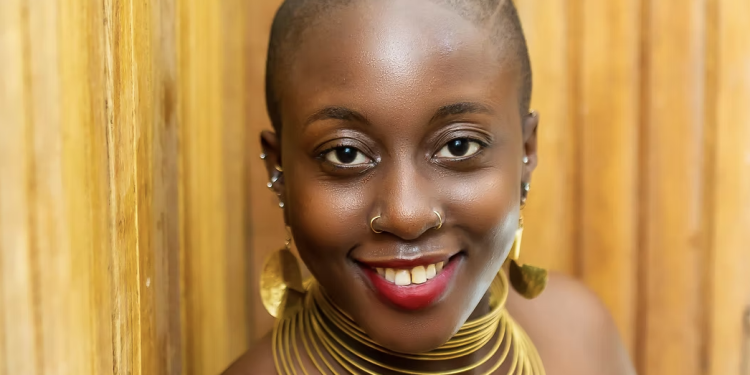
Dogo Joy Njeb Esq. is a practising lawyer and founder of SheResonance, a women’s rights awareness platform where she provides legal commentary on gender-based violence and offers pro bono support to survivors.
In this conversation with Naija Feminists Media, she shares how her feminist consciousness began from early resistance to patriarchal expectations, why unpaid labour remains a multifaceted but neglected form of gender-based violence, and what systemic changes are necessary to improve the lives of women and girls in Nigeria.
Insights from Dogo Joy Njeb Esq. on Feminist Awakening, Unpaid Labour, and Women in Power
- When and how did you personally come to feminism? Was there a moment, experience, or process that shaped your feminist consciousness?
With regards to how I became a feminist, my feminist awakening started in childhood. I was not persuaded by any feminist literature, nor did I have any mentor; rather, I was repulsed by the patriarchy.
I remember looking at the lives of many women around me and saying “God forbid, this can never be me” repeatedly. I knew that life was just not for me, even though those around me called me weird for having such opinions. Eventually, I met a group of feminists on Facebook and knew I had found my tribe.
- What issues affecting women and girls are you most focused on right now, and why do you believe these issues require urgent attention?
On my website, SheResonance, I usually dissect and offer commentary on issues of GBV in general, as well as proffer a legal perspective on them. However, I am passionate about unpaid labour because of my very unpleasant childhood experience with it.
It needs urgent attention because it affects a whole lot. It affects women’s control over their time, body, labour, earning capacity and property rights. It is such a multifaceted GBV that is grossly overlooked. I also render pro bono services to victims of GBV.
- From your perspective, which law, policy, or systemic change should be prioritised to improve the lives of women and girls, particularly in Nigeria?
On prioritisation, we have the Violence Against Persons Prohibition Act, yet we haven’t really scratched the surface when it comes to enforcement. Nigeria has great laws. The problem is with implementation. Many things we advocate for are already taken care of in the laws; it is just the implementation part.
On systemic change, we need more women in corridors of power, not just any woman, but liberated women who can sponsor gender friendly bills.
- What does feminist solidarity and collective action look like to you, and what message would you like to share with younger feminists?
Feminist solidarity means standing hand in hand with each other while amplifying our voices. Alone, we can only do this much; together, we can do that much. The possibilities are limitless! My message to the younger generation of women is to listen to the older feminists.
Even when my prefrontal lobe was underdeveloped, just listening to the women ahead of me saved me lots of trouble even my friends were coming to me for advice. Find liberated and emancipated women and learn from them. Read many feminist literatures and prioritise female friendship.