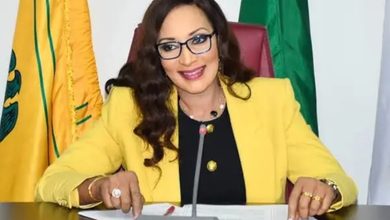
“Punching Women Does not Make You Odogwu” — Actress Gina Reacts to Male Violence

|
Getting your Trinity Audio player ready...
|
Summary: Nollywood actress, Gina Onuoha, has condemned the growing domestic violence and child abuse in communities in Nigeria. She described the actions as wicked and unacceptable.
Veteran Nollywood actress, Gina Onuoha, has strongly condemned the growing domestic violence and child abuse in Nigerian communities. She attributed this abuse to toxic masculinity and called for stricter actions against perpetrators.
In her now-viral video, the Nigerian star explained that the disturbing videos of Igbo men assaulting women and Igbo women maltreating vulnerable children as domestic helpers mirror a broader systemic violence. She stated that many young and old men have toxic masculinity due to misguided ideas of manhood.
“To our Igbo men, what is wrong with you? Always trying to prove that you are the head of the family and that your wife must be submissive. Every time a case of domestic violence trends online, it’s an Igbo man. And when it comes to child abuse, it’s an Igbo woman. Yet, you people call Nigeria a zoo and demand Biafra. Meanwhile, we are doing worse things to ourselves and committing atrocities,” the actress reacted.


She also rejected the idea that providing financially gives a man the right to control or abuse his wife, stating that true manhood is defined by a man’s character, integrity, and responsibility. She directly called out women who transfer their frustrations to vulnerable children because they chose to remain in their unhappy, loveless marriage. She described the children’s mistreatment as unacceptable and total wickedness.
The actress also advises women to empower themselves and have financial independence, saying that things will not magically change if they choose to remain in abusive relationships. She also advocates for stricter measures against perpetrators, while urging governors and community leaders across the South-East to address the cultural practice of sending underage children to live with relatives or strangers as domestic helpers.