|
Getting your Trinity Audio player ready...
|
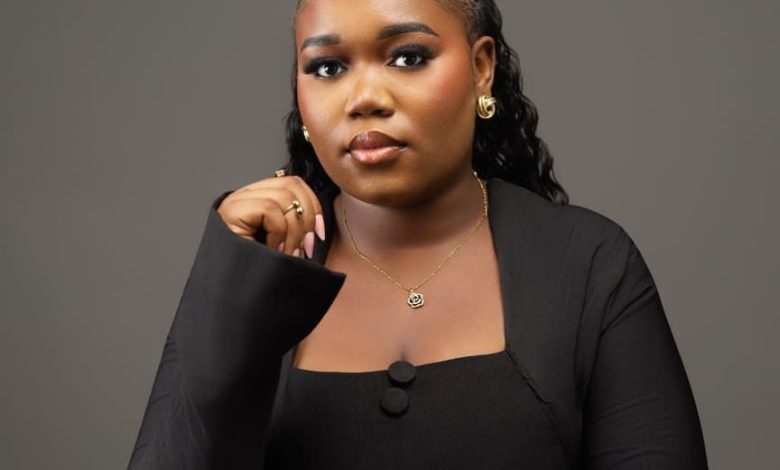
Summary: Esther, a journalist, development practitioner, and communications professional, speaks on girls’ access to education, economic empowerment, gender-based violence, and building feminist movements rooted in intersectionality and intentional collective action.
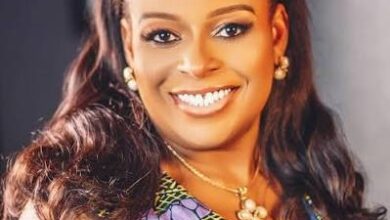
Esther Alaribe is a journalist, development practitioner, and communications professional whose career has been shaped by a commitment to advancing the rights and opportunities of women, children, and marginalised communities.
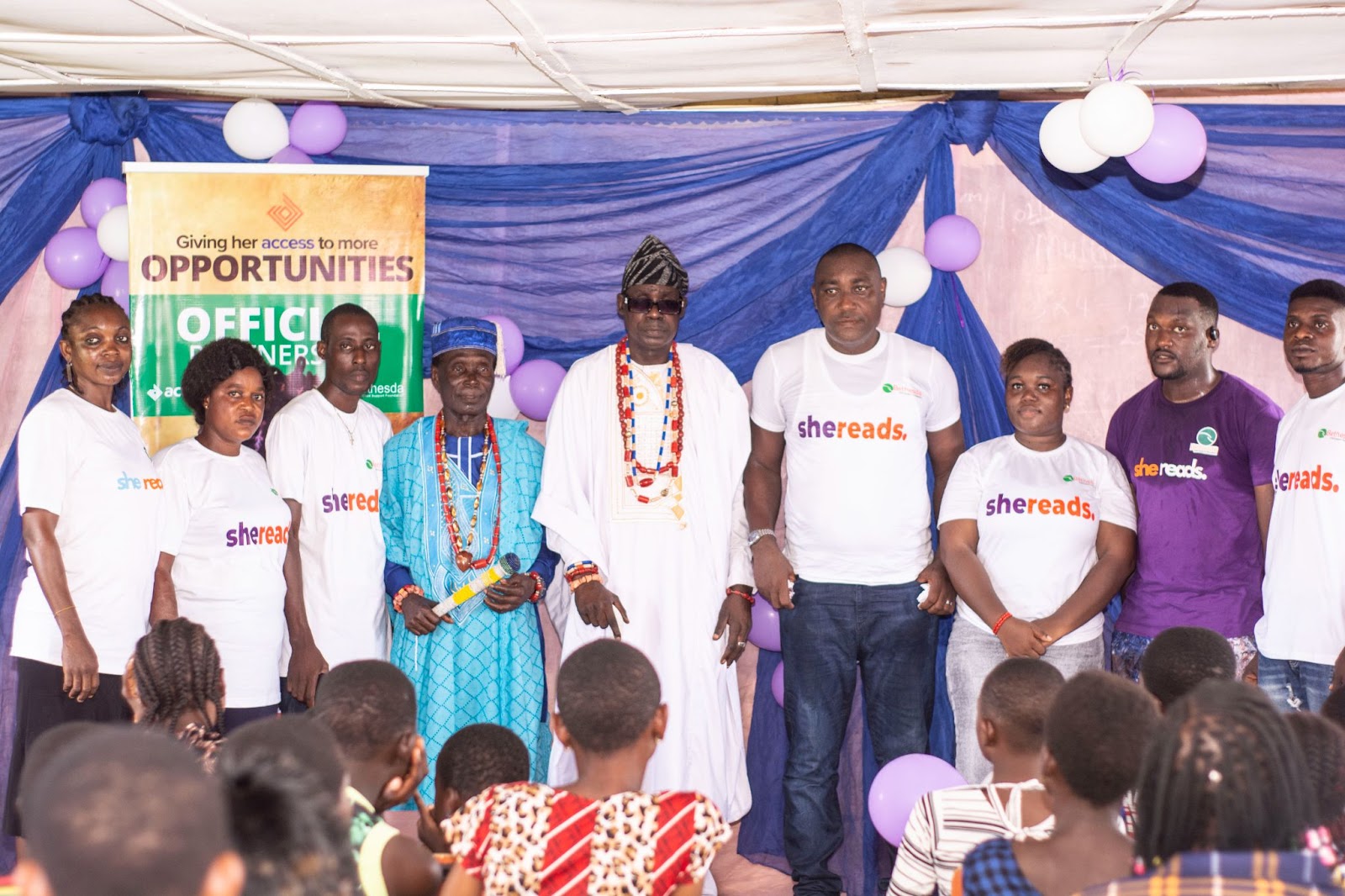
From her years at Women Radio 91.7 FM, where she rose from intern to Programmes Manager, to her current role designing and managing programmes at the Bethesda Child Support Foundation, Esther has consistently worked at the intersection of media, advocacy, and community engagement.
In this conversation with Naija Feminists Media, she reflects on her feminist journey, the issues demanding urgent action, and what genuine solidarity looks like in practice.
Insights from Esther on Education, Economic Empowerment, Gender-Based Violence, and Feminist Solidarity
- When and how did you personally come to feminism? Was there a moment, experience, or process that shaped your feminist consciousness?
My feminist consciousness developed gradually through observation, professional exposure, and lived realities. I didn’t have a moment when it changed or hit me immediately, because I was already aware of the society I lived in before the realities started hitting me.
Growing up and later working in the media, I repeatedly encountered stories that reflected deep gender inequalities, girls forced to abandon education, widows stripped of inheritance, survivors of gender-based violence silenced by stigma, women discouraged from leadership, and girls being exchanged for material things.
However, my work in gender-focused broadcasting at Women Radio 91.7FM accelerated this awakening. Producing programmes that centred women’s voices meant I was constantly confronted with structural barriers and harmful societal norms that were normalised. Listening to these stories and experiencing daily life interactions and misogynistic commentaries.
Feminism, for me, is not just a theoretical ideology but a practical framework for justice and the protection of women and girls. Feminism is also about dismantling the ideas, comments, culture, tradition and practices that have suppressed women through policy advocacy, education, economic empowerment, and narrative change through awareness. That realisation continues to guide how I design programmes and engage communities and individuals today.
- What issues affecting women and girls are you most focused on right now, and why do you believe these issues require urgent attention?
At this stage of my work, I am particularly focused on three interconnected issues: access to education, economic empowerment, and protection from gender-based violence. Education remains one of the strongest equalisers and mindset shapers, yet many girls still face barriers ranging from poverty to harmful social norms.
When a girl is educated, the ripple effects extend to health outcomes, economic stability, and intergenerational progress. The urgency lies in the fact that every year a girl spends out of school narrows her future opportunities, and she is cut off from developing herself or contributing meaningfully to her community.
Economic empowerment is equally critical. Financial dependency often traps women in cycles of vulnerability and abuse, limiting their ability to make autonomous decisions. Skills development and financial literacy programmes are not just interventions; they are pathways to dignity and agency, enabling women to own their voice.
Gender-based violence continues to demand urgent attention because it cuts across all socioeconomic levels. Beyond the physical harm, it erodes confidence self esteem, restricts participation in public and social life, and perpetuates inequality. Addressing GBV requires stronger enforcement of existing laws, survivor-centred support systems, and sustained public education to challenge harmful norms.
- From your perspective, which law, policy, or systemic change should be prioritised to improve the lives of women and girls, particularly in Nigeria?
One priority should be the full domestication and enforcement of the Violence Against Persons (Prohibition) Act across all states, accompanied by adequate funding for implementation. Laws are only as effective as the systems that uphold them. In Nigeria, we struggle with implementation, as many solutions are only documented with no action.
Survivors must have access to safe reporting channels, legal support, and psychosocial services without fear of stigmatisation or reprisal attacks. Stronger policies that protect the girl child’s right to education, including measures to reduce financial barriers, would significantly improve long-term outcomes.
We must also normalise women’s participation in leadership and governance by strengthening policies that promote gender representation in political and corporate spaces. Representation influences resource allocation and ensures that women’s realities inform decision-making. The solution we need demands a holistic approach, with greater coordination among the government, civil society, media, and community/ traditional leaders.
- What does feminist solidarity and collective action look like to you, and what message would you like to share with younger feminists?
Feminist solidarity, to me, is intentional collaboration rather than symbolic support or actions. It is women amplifying one another’s work, sharing resources, mentoring emerging leaders, and building coalitions that push for structural reforms. Collective action becomes powerful when it moves beyond conversations into measurable outcomes, policy changes, expanded opportunities, safer communities, and more women at decision-making tables.
I would encourage younger feminists to see this work as a marathon; we keep going at it, eyes on the goal. Social transformation is often slow, as people naturally hate change, and resistance is inevitable. Stay informed, remain empathetic, and ground your advocacy in both evidence and community realities.
It is also important to embrace intersectionality, recognising that women’s experiences are shaped by their class, disability, geography, and other identities. Most importantly, do not underestimate the power of your voice; tell your story. Every generation inherits unfinished work, but we must bring fresh energy and perspective as we strive for a collective goal.