|
Getting your Trinity Audio player ready...
|
Summary: In June 2023, Assistant Professor Ayako Muraoka of Nagoya University identified Fusobacterium nucleatum as a key driver of endometriosis, found in 64 per cent of women with the condition.
Ayako Muraoka, an Assistant Professor and her research team at Nagoya University’s Graduate School of Medicine, identified a bacterial infection as a primary driver of endometriosis, potentially reshaping how the debilitating condition is treated.
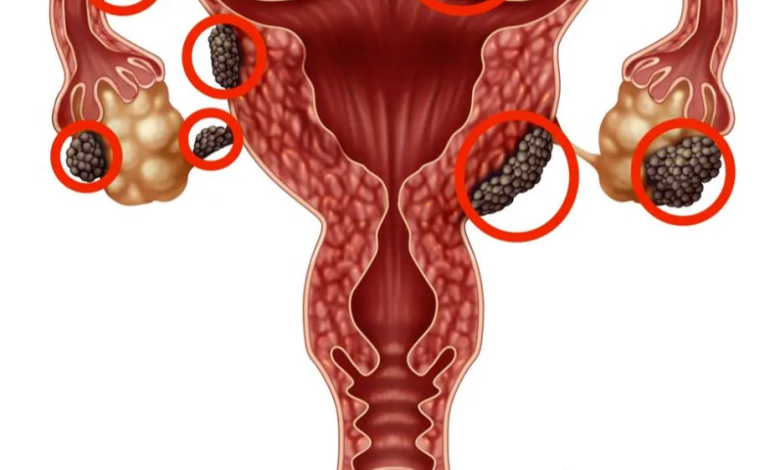
Endometriosis, a chronic condition in which tissue similar to the uterine lining grows outside the uterus, affects millions of women globally and remains one of the primary causes of infertility and chronic pelvic pain in women of reproductive age.
Despite its prevalence, the mechanisms underlying the disease have remained poorly understood, leaving women to manage symptoms through limited options like hormonal suppression with significant side effects or surgical removal of lesions, which offers only temporary relief before recurrence.


The discovery, published in Science Translational Medicine in June 2023, reveals that Fusobacterium nucleatum, a bacterium commonly found in the mouth and gut, is present in the uterine lining of approximately 64 per cent of women with endometriosis, compared to less than 10 per cent of women without the condition.
The finding suggests that targeting this bacterium with antibiotics could offer women a non-hormonal alternative to current treatment options that suppress hormones or require surgical intervention.
Assistant Professor Ayako’s research provides a concrete biological mechanism, demonstrating that once Fusobacterium infection occurs, it triggers the release of TGF-β, a signalling protein that transforms normal endometrial cells into aggressive myofibroblasts that promote the growth and spread of endometriotic lesions.
The research team’s findings extended beyond identification. In mouse models of endometriosis, antibiotic treatment with metronidazole, an inexpensive, widely available medication, significantly reduced both the number and size of endometriotic lesions.
This result suggests a potential treatment pathway that could spare women the long-term hormonal side effects associated with current therapies or the permanence of surgical approaches.
“Eradication of this bacterium by antibiotic treatment could be an approach to treat endometriosis for women who are positive for fusobacteria infection, and such women could be easily identified by vaginal swab or uterus swab,” Assistant Professor Ayako stated in the study’s findings.
Women with endometriosis have long described their suffering with remarkable consistency, debilitating pain, infertility, bleeding, and fatigue, yet medical institutions have historically dismissed the condition as mysterious or psychological in origin.
As NFM previously documented in investigations on the lived realities of endometriosis warriors and medical neglect of the condition, women’s testimony alone proved insufficient to drive research investment or institutional response. Assistant Professor Ayako’s work validates decades of women’s descriptions of their own bodies while exposing a critical gap: medical institutions failed to investigate what women were clearly and consistently reporting.