|
Getting your Trinity Audio player ready...
|
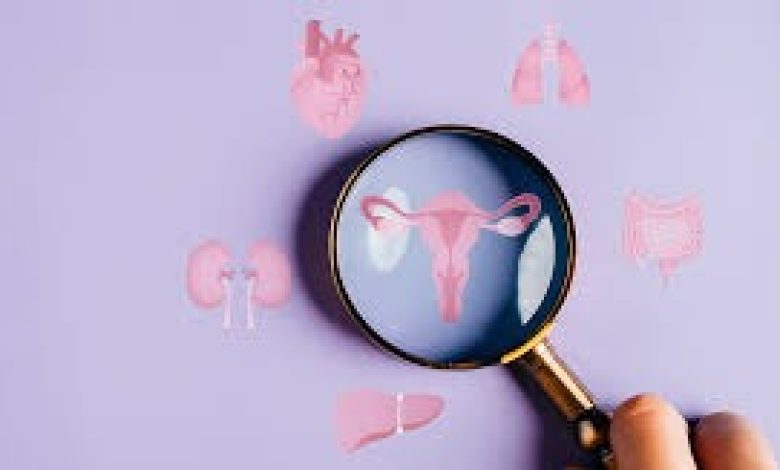
A major women’s health condition previously known as Polycystic Ovary Syndrome (PCOS) has officially been renamed Polyendocrine Metabolic Ovarian Syndrome (PMOS) in a move to improve awareness, diagnosis and treatment worldwide. The condition, which affects an estimated one in eight women globally, impacts hormone balance, metabolism, mental health, weight, skin and reproductive health.
The name change followed a 14-year international collaboration involving researchers, healthcare professionals, patient advocates and people living with the condition. The process and findings were published in The Lancet.
Professor Helena Teede, Director of Monash Centre for Health Research & Implementation and an endocrinologist at Monash Health, led the renaming process. According to Helena, the previous term “Polycystic Ovary Syndrome” was scientifically misleading because there is no actual increase in abnormal ovarian cysts among patients with the condition.
“What we now know is that there is actually no increase in abnormal cysts on the ovary, and the diverse features of the condition were often unappreciated,” she said.


They explained that the old name narrowed public understanding of the condition to ovarian cysts and reproductive issues, contributing to delayed diagnoses and inadequate treatment for many women.
The renaming process involved more than 50 patient and professional organisations, including the Endocrine Society, the AE-PCOS Society, and UK charity Verity. More than 22,000 people participated through surveys and international workshops during the consultation process.
The team also noted that PMOS better reflects the condition’s links to hormone imbalance, metabolic health and multiple body systems. Symptoms may include irregular periods, fertility difficulties, acne, excessive hair growth, insulin resistance, weight changes and mental health challenges.
The new name is expected to be fully implemented in the 2028 International Guideline update.