|
Getting your Trinity Audio player ready...
|
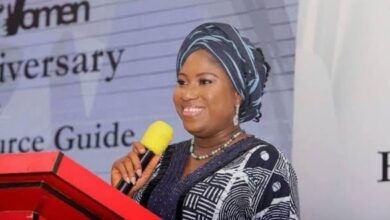
Juliet Obaniyi is a psychology graduate and writer whose feminist consciousness traces back to early childhood from the playgrounds where she questioned why certain games were off-limits for girls, and the streets where she showed up anyway.
Curious, outspoken, and deeply committed to women’s wellbeing, she brings both personal experience and analytical clarity to her feminist advocacy. In this conversation with Naija Feminists Media, she speaks on the troubling way marriage is packaged and sold to women, the glaring gaps in women’s health research, and what it means to show up for the feminist movement.
Insights from Juliet on Marriage Pressure, Women’s Health Research, and Taking Action
1. When and how did you personally come to feminism? Was there a moment, experience, or process that shaped your feminist consciousness?
If I were to put a date and event, I would say it is as early as early school age, when it didn’t sit well with me that there were certain plays we couldn’t be involved in as girls. When I would look around, I would be the only girl playing four posts with the boys on my street.


Then, I would ask why and throw a tantrum when my brother refused to take me with him to rent a bicycle, even though I had never ridden on one.
2. What issues affecting women and girls are you most focused on right now, and why do you believe these issues require urgent attention?
The pressure to ‘settle down!’ It feels more like being asked to bring our hands to be chained, more than actually finding love and happiness.
There is something about how marriage is packaged and presented to women that is honestly not appealing, yet we are made out to be ridiculous for refusing to be a part of such an arrangement that doesn’t prioritise our needs, wellbeing and personal joy.
3. What does feminist solidarity and collective action look like to you?
Feminist solidarity and collective action, to me, looks like actually walking the talk. We need more women who are able to put in their resources, energy and time to cause change.
We can’t keep complaining under the patriarchy’s heavy boot; we need to actually stand up. Even if we have to crawl out, we need to keep our voices high in protest.
4. What message would you like to share with younger or emerging feminists?
I am a young feminist as well, so the message for us would be to look out for every woman, even that woman who isn’t in your corner. Don’t stop talking and taking action. So that the unborn ones would see and say, “all thanks to the women who went before us.”