|
Getting your Trinity Audio player ready...
|
Systemic Lupus Erythematosus, commonly called Lupus, is a chronic autoimmune disease that occurs when the immune system begins attacking the body it is supposed to protect, thus causing the body inflammation and pain. Over time, this chronic inflammation can cause permanent organ damage.
The disease affects at least five million people worldwide. Roughly 16,000 new cases are reported each year, developing mostly in younger people, ages 15-44. Critically, 90% of patients living with lupus are female, and research indicates that black women are two to three times more likely to contract the disease than their white counterparts.
Lupus Awareness Month was originally observed as National Lupus Awareness Week in September 1977, then moved to October. However, in 2009, owing to the efforts of the Lupus Foundation of America, it was shifted to May. Consequently, May 10 is designated as World Lupus Day.
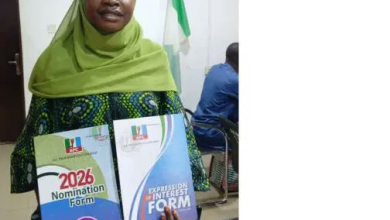
The month is dedicated to spreading knowledge about the autoimmune disease. As part of our advocacy efforts at Naija Feminists Media on issues affecting women, we spoke to award-winning creative and lupus survivor, Misturah Abisola Owolabi, on what it is like living with lupus in Nigeria and what systemic change must happen for people with lupus to thrive, not just survive.


- Could you share your insight into how lupus manifests in daily life?
There are about three different kinds of Lupus categorised according to what part of the body they affect, but Systemic Lupus Erythematosus is the kind of Lupus that affects every part of the body, such as the joints, skin, kidneys, blood, lungs, brain, and other organs.
Living with lupus comes with chronic fatigue, joint pains, inflammation, brain fog, skin sensitivity, fevers, and periods called flares, where all the symptoms become more severe and can fluctuate unpredictably depending on which part of your body is being attacked by your immune system.
- What is the most critical misconception about lupus that you want the public to understand?
One of the biggest misconceptions about lupus is that because someone looks chubby and healthy, they must be exaggerating the condition and their pain. Lupus is a serious, life-long systemic illness that can become life-threatening when major organs are affected.
Many of us living with lupus have had to become experts at masking our pain because life still has to continue. But it’s sad that people only understand chronic illness when they can visibly see it. I want people to understand that living with lupus is not only physical.
It affects your mental health, relationships, work, finances, and everyday life. Lupus is literally an invisible disability.
- What systemic changes or societal support systems do we need to implement to better protect and empower those living with lupus?
We need stronger healthcare systems, better awareness, and more accessibility for people living with Lupus. In Nigeria specifically, one major challenge is the shortage of specialists. In Lagos, for example, there are fewer than ten rheumatologists available to manage lupus and related autoimmune conditions.
We also urgently need better health insurance coverage because lupus treatment is long-term and expensive. Medications, tests, hospital visits, and emergency care during flares are very financially overwhelming.
Beyond healthcare, workplaces and schools also need to become more accommodating. We need chronic illness support, flexible work systems, mental health support, disability inclusion policies, and broader public education around invisible illnesses.
- Where are we currently falling short in medical research and healthcare access, and what needs to change to ensure survivors receive the care they deserve?
One major issue is that autoimmune diseases like lupus still do not receive enough visibility, funding, or research attention, especially in African healthcare conversations. It’s not considered a priority at all.
As a result, many of us patients experience delayed diagnosis or complete misdiagnosis because awareness remains limited even within parts of the medical system. For people living with lupus to receive the care they deserve, we need to start building systems that genuinely support chronic illness patients long-term.
That includes better healthcare funding, more trained rheumatologists and autoimmune specialists, improved health insurance coverage for chronic illnesses, and stronger investment in medical research across Africa.
Nobody living with a lifelong condition should have to struggle to access medication, specialist care, or basic treatment because of cost or limited availability. We also need more digital and organised healthcare systems.
Many government hospitals still rely on physical patient files. For someone managing a chronic illness that requires years of monitoring, it is a major problem if your files get lost or damaged. And this happens a lot.
Beyond hospitals, society itself also needs to become more compassionate and informed. People living with lupus need workplaces, schools, and communities that understand invisible illnesses and accommodate fluctuating health conditions without judgment.
Too many patients spend years being dismissed, misunderstood, or told their symptoms are exaggerated simply because their illness is not always physically visible.