“Many Challenges Women Face Are Systemic, Not Individual” — Journalist Prisca Iwendi

|
Getting your Trinity Audio player ready...
|
Summary: Prisca, a journalist, media presenter, fact-checker, and gender advocate, speaks on gender-based violence, child marriage, misinformation, and building feminist movements rooted in inclusion, persistence, and collective action.
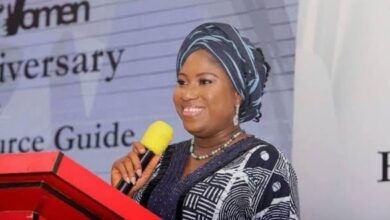
Prisca Iwendi is a journalist, media presenter, fact-checker, writer, and gender advocate based in Nigeria whose work sits at the intersection of media, social impact, and women’s rights.
Through storytelling, media literacy, and advocacy, she amplifies underrepresented voices and challenges the harmful narratives that continue to shape the lives of women and girls.
Actively involved in feminist conversations with Naija Feminists Media and other community-based initiatives, she brings both professional rigour and personal conviction to her advocacy.

In this conversation, she traces a feminist consciousness built through observation and lived experience, names the issues she believes demand urgent action, and shares a message of persistence for younger feminists finding their footing.
Insights from Prisca on Gender-Based Violence, Misinformation, Legal Enforcement, and Feminist Persistence
- When and how did you personally come to feminism? Was there a moment, experience, or process that shaped your feminist consciousness?
My feminist consciousness developed gradually through observation, education, and lived experiences. Growing up, I witnessed how girls and women were often expected to accept limitations that were not imposed on men or the narrative of how men expect women not to choose because they are women, which means a woman has no right in their world to have a choice; I find it extremely preposterous!
As I began studying media and engaging with social issues, I noticed how gender stereotypes influenced opportunities, representation, and decision-making. A significant part of my journey was listening to the stories of women and also myself, experiencing discrimination, violence, or exclusion simply because of their gender.
These experiences made me realise that many challenges women face are systemic rather than individual. Feminism gave me the language and framework to understand these inequalities and the tools to advocate for change. It became more than a belief system; it became a commitment to justice, dignity, and equal opportunities for all women and girls.
- What issues affecting women and girls are you most focused on right now, and why do you believe these issues require urgent attention?
I am concerned about gender-based violence, child marriage, barriers to girls’ education, and the spread of misinformation that reinforces harmful gender norms. These issues continue to limit the potential of millions of women and girls across Nigeria and beyond.
Gender-based violence remains a serious human rights concern that affects women’s safety, health, and economic participation. Child marriage deprives girls of their education, autonomy, and future opportunities.
At the same time, misinformation and harmful stereotypes often normalise inequality and make it harder to challenge discriminatory practices.
These issues require urgent attention because they affect not only individual lives but also the social and economic development of communities. When girls are safe, educated, and empowered, entire societies benefit.
- From your perspective, which law, policy, or systemic change should be prioritised to improve the lives of women and girls, particularly in Nigeria or your community of work?
One of the most important priorities is the full implementation and enforcement of laws designed to protect women and girls, particularly those addressing gender-based violence and child protection.
While legal frameworks exist, implementation remains inconsistent in many communities, and the society that makes life a living hell for a woman should be culpable and take accountability for its actions.
Beyond legislation, we need stronger investment in girls’ education, economic empowerment programs, and gender-responsive institutions. Schools, workplaces, media organisations, and government agencies should actively promote inclusion and accountability.
Lasting change happens when policies are supported by systems that make rights accessible and enforceable for everyone.
- What does feminist solidarity and collective action look like to you, and what message would you like to share with younger or emerging feminists?
To me, feminist solidarity means standing together across differences and recognising that the struggle for gender justice is collective. It involves listening, supporting one another, sharing resources, and creating spaces where women and girls can thrive. Feminist movements are strongest when they are inclusive, collaborative, and rooted in community.
My message to younger and emerging feminists is simple: your voice matters. Change does not always begin with large platforms or major campaigns; it often starts with everyday conversations, community engagement, and the courage to challenge injustice. Continue learning, remain compassionate.
“Shut your ears from the people who self-acclaim as feminists for the wrong reasons or push actions contrary to the main idea of feminism, but keep your mouth open to keep voicing; soon, victory will be ours once again, and remember that progress is built through persistence.”
Every effort to advance equality, no matter how small it may seem, contributes to a larger movement for a more just and equitable world.