|
Getting your Trinity Audio player ready...
|
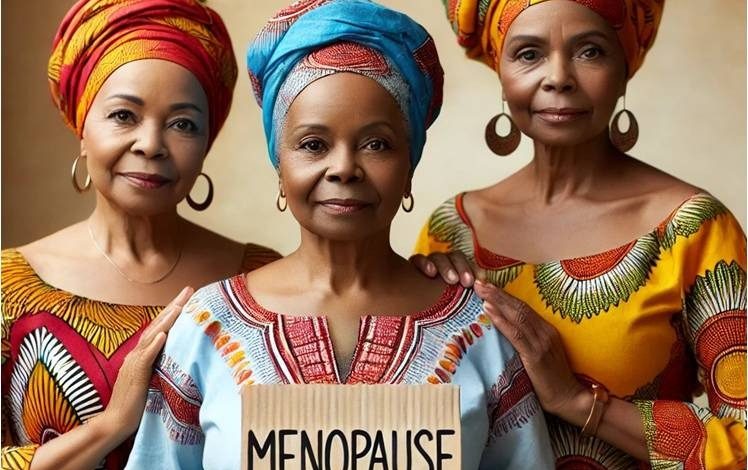
Sunday, October 18, marks World Menopause Day 2026. The International Menopause Society has themed this year’s observance “Chronic Pain in Midlife”. This theme asks a question we’ve always ignored: If women live through menopause, why is there so little awareness of it?
Menopause is not rare, and it is not a mystery. A Nigerian study of 402 menopausal women found a mean age at menopause of 49.4 years, with a median of 49. A survey in Enugu reported a slightly lower average of 48.4 years, with women reaching it between 38 and 52.
A study in Benin City also found that 97.4 per cent of women considered menopause normal, and most said they adjusted very well to it. Nigerian women have the experience. What they lack is the information.
Where the Myths Live
Look at where that information comes from. In the Enugu survey, 59 per cent of women learned about menopause from experience and older women, while only 16 per cent used books or the internet. Menopause knowledge in Nigeria is passed down like a family recipe. It is generous, familiar, and measured by no one.


That arrangement lets myths survive. Researchers who studied menopause perception and care in Nigeria describe the subject as shrouded in myths and taboos, and found that women whose periods stopped early often sought help from traditional or spiritual healers and this should be a subject of concern because early cessation is a medical question, not a spiritual one.
The myth that menopause means hot flushes is just as stubborn. In Benin City, joint pain was the most common symptom, ahead of hot flushes and night sweats. That is exactly what this year’s theme points to. Pain in midlife is too often dismissed as “age” when it deserves to be assessed.
Treatment is also highly unusual. In Enugu, only 49 per cent of women had heard of hormone treatment, mostly from their physician. Whether it suits a particular woman is a clinical decision. But it cannot be a decision if she has never heard of it.
What Must Change
Awareness must stop depending on who your aunt is. A health system that leaves menopause education to older women has outsourced a medical responsibility to a social one.
First, menopause information must be routine in clinics. Doctors should raise it before women are in distress, not after. Researchers in Nigeria have already recommended that education modules be developed to dispel the myths and taboos around menopause.
Secondly, midlife pain must be taken seriously. Joint pain, in particular, should prompt a conversation, not a shrug.
Lastly, the media must do its part. Menopause appears in Nigerian headlines on World Menopause Day and almost never otherwise. Coverage that treats it as a health story, not a women’s-corner footnote, would help.
A health system cannot claim to serve women while leaving half of them to learn about midlife from rumour.



One Comment