How Fem Edu’s Founder, Sinmiloluwa Aboluwade, is making Feminism Accessible to Women
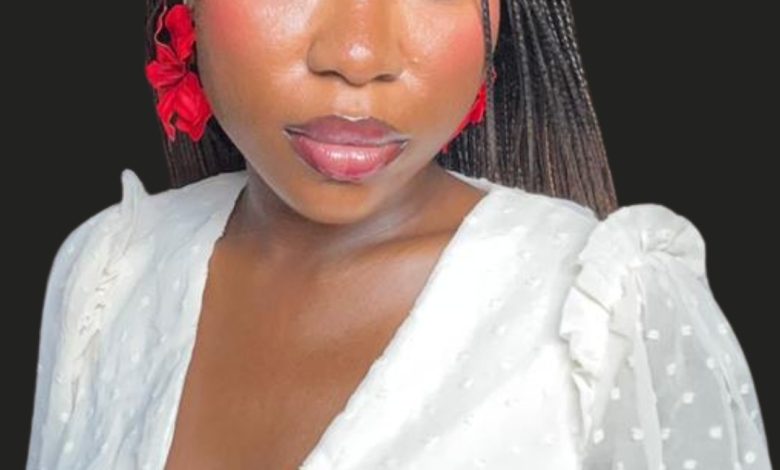
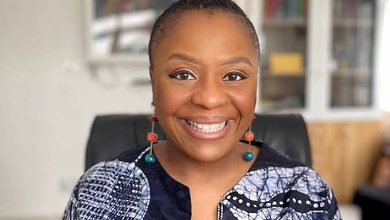
Summary: Sinmiloluwa Isabella Aboluwade, 26, is a nurse, founder of FemEdu and Herbode. Growing up as the only girl among five children, she learned early that opportunities are not distributed equally. She now teaches that lesson to others.
Sinmiloluwa does not remember a time when she became a feminist. “I like to say I was born this way,” she told Naija Feminists Media. “That is not to say I have not had to learn and unlearn things; I believe feminism is a journey.”
What shaped her was being the only girl among five brothers, which meant different rules, different expectations, and different futures mapped out before she could map them herself.
The weight of unequal treatment she experienced has always bothered her since childhood; then, as a teenager, she began building friendships with older women. They showed her what it looked like to navigate a world actively arranged against you, and why paying attention to that arrangement was not paranoia but survival.
Today, Sinmiloluwa channels that understanding into two organisations. FemEdu, which she founded, makes feminism and gender education accessible to young girls and adult women by breaking complex theory into resources people can actually use.
The organisation publishes essays analysing modern misogyny and bodily autonomy. It challenges the specific harms that pass as normal: weaponised body standards, desirability politics, the exhausting “beauty with brains” trap that tells women they must be both decorative and intelligent, as if one cancels out the other.
Her sister organisation, Herbode, moves from theory into material support. Through the #550Campaign, Herbode sponsors out-of-school girls, removing financial barriers that prevent brilliant girls from completing their education.
The organisation also runs safe havens for survivors of domestic abuse, spaces where women can exist without fear of the men who hurt them.
Sinmiloluwa sees education as foundational to women’s agency. She believes an educated woman can make informed choices about her own life, and she is not trapped by the lack of options that poverty and ignorance impose.
“Education opens up a lot of opportunities and possibilities for an individual. An educated woman is someone who can make informed choices about her life. But there is something that must come first. As much as education is important, we can only educate someone who is alive,” Sinmiloluwa said.
Sinmiloluwa told NFM that her conviction in education is why she speaks with such directness about punishment for perpetrators of femicide and sexual assault. She believes rehabilitation narratives or redemption are loopholes for men who murder women.
To Sinmiloluwa, feminism in Nigeria today is not a movement of individual empowerment narratives or personal brand-building. It is a structural critique made tangible: education that names the systems harming women and safe spaces that acknowledge those systems will not dismantle themselves voluntarily.
“We don’t have to validate every individual choice and be best friends,” Sinmioluwa said on the integral need for collaboration in the feminist movement. “We should be willing to make hard decisions that will benefit the collective.”