|
Getting your Trinity Audio player ready...
|
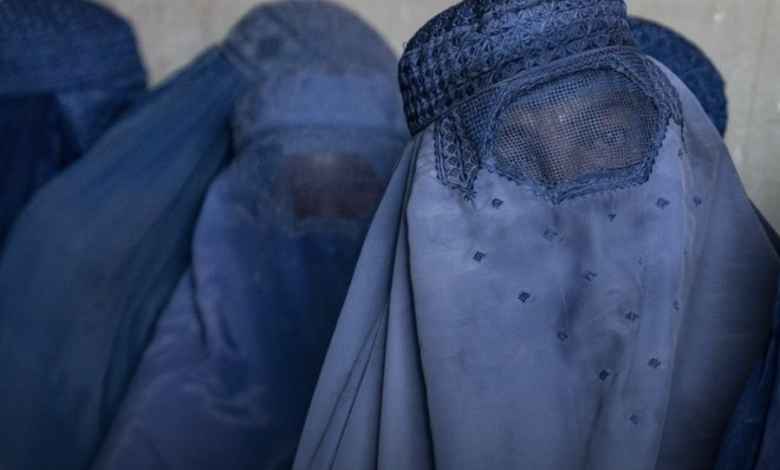
UN Women has issued a warning that Taliban restrictions on women’s healthcare access could drive a 50 per cent rise in Afghanistan’s maternal mortality rate by 2026.
The warning follows reports that the Taliban authorities have moved to ban the sale and distribution of contraceptives, leaving women across the country to give birth without skilled attendants and miscarry without treatment.
In April 2026, the UN’s Population Fund (UNFPA) stated that Afghanistan has the highest maternal mortality rate in Asia, after Taliban authorities warned that contraceptive pills and condoms should not be provided to women.
Afghanistan already records a maternal mortality ratio of 638 deaths per 100,000 live births as of 2024, among the highest in Asia, according to UN estimates.


UNFPA has stated that a woman in Afghanistan dies every two hours from causes related to pregnancy, childbirth, or associated complications, while the World Health Organisation has reported that 24 mothers and 167 children die every day in the country from pregnancy- and childbirth-related illnesses.
According to the UN and the World Health Organisation, more than 440 hospitals and clinics have closed or reduced services since international funding cuts in 2025, forcing women in rural provinces to walk for hours or give birth at home, often alone. A midwife in Kandahar, identified only as Hamida for safety reasons, stated that her ward sees over 100 deliveries every 24 hours, including approximately six miscarriages a day.
In Ghor province, where villages are isolated by mountains and mud roads, midwives reported that women bleed for days before reaching a clinic, and some die on the way. A doctor in Jawzjan estimated that 80 per cent of the pregnant and breastfeeding women she sees are malnourished.
The contraception restrictions compound earlier Taliban policies barring women from studying medicine, nursing, and midwifery. Over 98 per cent of midwives in Afghanistan are female, and restrictions on training new female health workers are expected to deepen the existing shortage of skilled birth attendants.
The UN has also reported that female health workers in some provinces are now required to be accompanied to work by a male guardian carrying official identification documents.