|
Getting your Trinity Audio player ready...
|
Every year on June 12, Nigerians celebrate Democracy Day, a national holiday that honours the country’s democratic journey and the sacrifices made in the struggle for democratic governance.
The date commemorates the June 12, 1993 presidential election, widely regarded as the freest and fairest election in Nigeria’s history. The election was won by Moshood Kashimawo Olawale Abiola, popularly known as MKO Abiola. However, the election was annulled by the military government, leading to widespread protests and a prolonged struggle for the restoration of democracy.
Many Nigerians, including journalists, activists, students and civil society groups, demanded that the election results be recognised. The struggle came at a great cost, with many facing imprisonment, harassment, and even death. In recognition of the significance of June 12, the Nigerian government officially moved Democracy Day from May 29 to June 12 in 2018. Today, the day serves as a reminder of the importance of freedom, justice, participation and accountable governance.
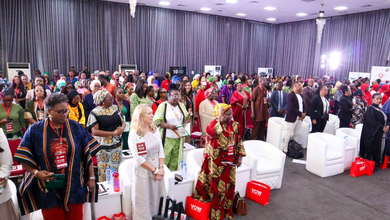
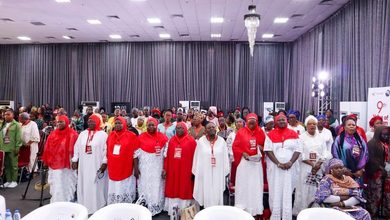
While many narratives about the democracy struggle focus on political leaders and activists, women played a critical role in sustaining the movement and advancing democratic values in Nigeria.


The Foundation of Women’s Political Activism
Long before the June 12 struggle, Funmilayo Ransome-Kuti was challenging systems that denied women a voice in governance. In the 1940s, she founded the Abeokuta Women’s Union and led thousands of women in protests against unfair taxation and discriminatory colonial policies.
Her activism demonstrated the power of collective action and established women as a formidable force in public affairs. Through her efforts, many Nigerian women began to see political participation as both a right and a responsibility. Today, she remains one of the most influential figures in Nigeria’s history and a pioneer of women’s political activism.
Women Who Fought for Democracy
During periods of military rule, several women stood at the forefront of pro-democracy movements.
- Kudirat Abiola: The Face of Resistance During the June 12 Struggle
Kudirat Abiola became one of the most prominent figures in Nigeria’s pro-democracy movement after the annulment of the June 12, 1993, presidential election. While her husband, MKO Abiola, was imprisoned for declaring himself president-elect, Kudirat emerged as a fearless advocate for democracy. She organised protests, supported activists and spoke publicly against military rule despite facing threats to her life.
Her determination kept the June 12 struggle alive during one of Nigeria’s most difficult political periods. Following her assassination in 1996, Kudirat became a symbol of courage, sacrifice, and the fight for democratic freedom.
- Ganiyat Fawehinmi: Champion of Human Rights and Democracy
Ganiyat Fawehinmi worked in advocating for democracy, justice, and the rule of law. Throughout years of military dictatorship, she remained committed to supporting campaigns that demanded respect for human rights and democratic governance. Her contributions demonstrated that the struggle for democracy was not limited to political offices but also included ordinary citizens who stood up against injustice and repression.
- Ngozi Okonjo-Iweala: Strengthening Democracy Through Good Governance
Democracy extends beyond elections. It also requires transparent institutions and accountable leadership. Few Nigerians embody these principles better than Ngozi Okonjo-Iweala.
As Nigeria’s former Minister of Finance, she championed reforms aimed at improving transparency and reducing corruption in public institutions. Her commitment to accountability demonstrated how effective governance can strengthen public trust and democratic systems.
Today, as a respected global leader, she continues to inspire women and young people across Nigeria to pursue leadership roles and contribute to nation-building.
- Amina Mohammed: Advocating Inclusive Development
Amina Mohammed has dedicated much of her career to ensuring that governance serves the needs of all citizens. As a former Minister of Environment and the current Deputy Secretary-General of the United Nations, she has consistently promoted sustainable development, gender equality, and inclusive policymaking.
Her work emphasises a fundamental democratic principle: that governance should improve the lives of citizens and leave no one behind. Through her leadership, she has shown how women can influence policies at both national and global levels.
- Oby Ezekwesili: Demanding Accountability
For decades, Oby Ezekwesili has been a prominent voice for transparency, citizen engagement, and government accountability. Whether as Minister of Education, vice president of Transparency International, or a leading advocate in the Bring Back Our Girls movement, she has consistently challenged institutions to uphold democratic values.
Her advocacy encourages Nigerians to see democracy not as a once-in-four-years event, but as an ongoing process that requires active participation from citizens. Through public engagement and policy advocacy, she continues to inspire conversations about responsible leadership and civic responsibility.
- Aisha Yesufu: Amplifying Citizens’ Voices
In recent years, Aisha Yesufu has emerged as one of Nigeria’s most recognisable civic activists. Known for her commitment to justice and accountability, she has used both traditional and digital platforms to mobilise citizens around issues of governance and human rights.
Her activism has particularly resonated with young Nigerians, encouraging greater political awareness and participation. Through her outspoken advocacy, she demonstrates how ordinary citizens can influence democratic processes and demand better governance.
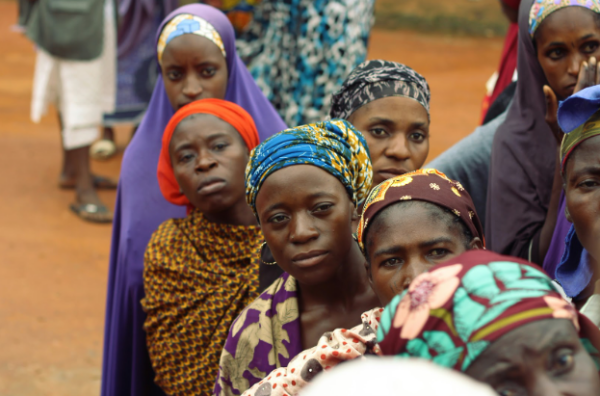
Despite their immense contributions to Nigeria’s democratic development, women remain significantly underrepresented in politics and leadership positions. Challenges such as gender stereotypes, limited access to campaign financing, political violence, and unequal opportunities continue to hinder women’s participation in governance.
However, as the 2027 elections approach, more women are stepping forward to contest for elective offices, including positions such as Deputy Governor, Governor, and members of the House of Representatives. Aspirants such as Barakat Odunuga, Damilola Marshal, and Doris Ogsala represent a growing wave of women seeking to increase female representation in political leadership and shape the future of Nigeria’s democracy.
As Nigeria marks another Democracy Day, the contributions of women remind us that democracy is not built by politicians alone. It is sustained by citizens who speak out, organise communities, challenge injustice and advocate for a better society.
From Funmilayo Ransome-Kuti’s fight for women’s political rights to Kudirat Abiola’s resistance against military rule and the contemporary advocacy of women such as Oby Ezekwesili and Aisha Yesufu, Nigerian women have consistently shaped the nation’s democratic journey.