Reviewing the Perfect Housewife Trope in ‘House Woman’ by Adaora Nworah
|
Getting your Trinity Audio player ready...
|
Summary: In her debut thriller novel, ‘House Woman,’ Adaora Nworah tells a story of enforcement, imprisonment, and forced reproduction to expose how institutionalised marriage continues to be used as a patriarchal tool to oppress women.
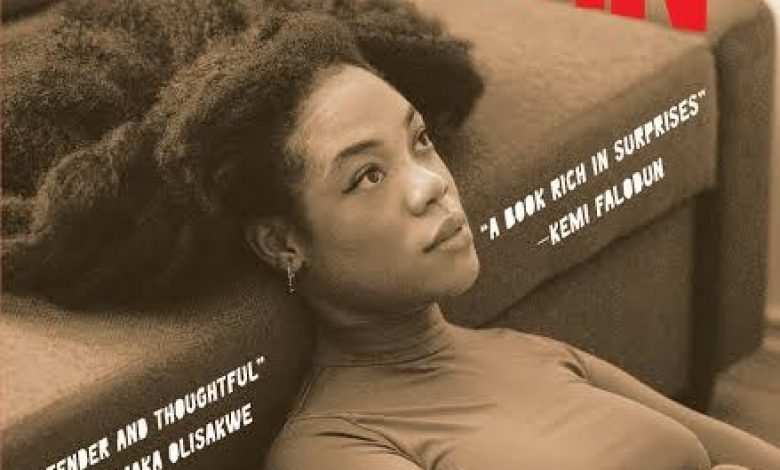
The debut novel of Adaora Nworah, House Woman, is a gripping domestic thriller that falls under the genre of African feminist literature. Rather than present a tale of empowerment through a fulfilled dream of migration to America, the author offers readers a window look into a narrative progression of gender oppression, institutionalised marriage, and the reclamation of female agency.
The story follows the life of Ikemefuna, a vibrant dancer from Lagos. She was deceived by the promises of education, freedom, and dance classes in America, so she settled for an arranged marriage in Texas, America, with Nna, a corporate attorney. Upon arrival, she finds herself trapped in a controlling household, where her manipulative in-laws demand she produce a grandson quickly. This deception stripped her agency, making her a domestic labourer and baby-making machine. From a feminist perspective, this setup is a representation of gendered migration, a patriarchal structure that uses false promises and lies to lure women into situations of dependency. Ikemefuna is brought to America to thrive as a person; she was imported as a commodity to serve Nna and his parents.
The primary conflict in the narrative is forced reproduction. This element later transforms into a horror element that makes Ikemefuna’s body cease to be hers. Her menstrual cycles are tracked, her health is scrutinised, and marital intimacy is transformed from a consensual act into a forced, transactional duty aimed purely at conception. Adaora uses these scenes to critique the historical and cultural reduction of women to mere vessels for male legacy, showing the psychological horror of losing control over one’s own body.


The theme of forced reproduction manifests into confinement and entrapment, deftly capturing the author’s thoughtful consideration for the novel’s title, House Woman. This title significantly operates throughout the narrative; when Ikemefuna is forbidden from dancing and strictly restricted to the kitchen, domestic chores, and Nna’s bed. These attempts portrayed the long-existing African culture that romanticised the House Woman concept in the form of a housewife, while consciously erasing a woman’s identity and reducing her to a passive member of society.
While the narrative conflict escalates heavily around Ikemefuna’s womb, Agbala’s active participation in her imprisonment showed how older women respond and survive in patriarchal societies that are against them. Rather than offer Ikemefuna solidarity, Agbala weaponises internalised misogyny to strictly enforce the submissive perfect wife ideology, abusing and gaslighting her. This dynamic demonstrates how patriarchal systems survive by turning women against one another, offering older women a small, toxic taste of power over younger women in exchange for maintaining the status quo.
The novel reaches a climactic point when Nna, who initially appears friendly and identifies as a self-professed feminist, fails to act when actual systemic oppression occurs under his own roof. His character represents the hypocritical group of people who intellectualise women’s liberation and rights, but become passive when the movement demands action. In fact, they’re symbols of performative male feminism just like Nna, whose allegiance shifts away from moral justice and toward patriarchal privilege when he was forced to choose between his mother’s traditional demands and his wife’s basic human rights.
He succumbs to the generational pressure to assert dominance over Ikemefuna. This dynamic highlights a core feminist theme: men who benefit from patriarchal structures will rarely dismantle them voluntarily, especially when complicity offers them power and familial approval. Interestingly, his betrayal turned into a tool of survival for Ikemefuna, who realised that no one is coming to save her, that she is the sole writer, director, and saviour of herself.
In the end, Adaora Nworah turned a dark thriller story into a literary resistance that exposes the facade of the American dream, to prove that a woman’s strong will, determination, and action can burn down the structures of oppression to reclaim her body, voice, and her life.