International Day of Rural Women: They Feed the Nation, but Who Owns the Land?
|
Getting your Trinity Audio player ready...
|
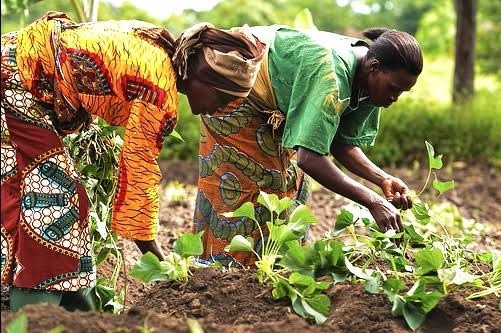
In markets across Nigeria, women sell food products to feed the nation. Some travelled long distances to sell their produce; others are part of a longer chain of labour that begins on farms in rural communities. Their work helps move food from the land to people’s tables, yet the women behind this process face barriers over exercising control over the land they cultivate.
Annually, the world marks October 15 as the International Day of Rural Women to honor, and recognise the essential work women and girls in rural areas do to contribute to global development. This category of people include women in farming, livestock care, household labor, security, and local trade. The 2026 theme, “Rural Women Farmers Caring for Mother Nature,” recognises rural women’s contributions to food production, biodiversity conservation and environmental protection. It provides an opportunity to examine the inequalities that constrain rural women farmers’ work.
In Nigeria, rural women’s challenge extends beyond being acknowledged as farmers. It concerns their ability to own or securely access land, obtain agricultural funding, benefit from their labour and participate in decisions affecting their livelihoods. Hence, celebrating their contribution without confronting these inequalities only keeps the patriarchal framework intact and strong.
The Women Behind the Food System


Agriculture is a profession that goes beyond cultivating crops. It is a chain of activities that requires preparing land, planting, weeding, harvesting, processing, storing and selling produce. Women contribute to different parts of this chain directly and indirectly. Many of them combine these activities with responsibilities for cooking, childcare, fetching water and caring for other household members. Hence, women’s contribution to agriculture cannot be fully measured. According to the United Nations, women make up close to 40 per cent of the world’s agricultural labour force, with their share exceeding 50 per cent in some parts of Africa and Asia. Yet women own only about 15 per cent of agricultural land globally.
This report identifies limited access to land and credit as significant barriers to women’s participation in agriculture. It demonstrate that a woman can be central to the production of food and still lack control over the resources that make that production possible. For rural women, the figure exposes a harsher truth, they may only be allowed to farm on land that belongs to their husband or another male relative. They may also receive land through a family arrangement or community agreement. These arrangements can enable agricultural activity, but access does not automatically confer ownership or secure tenure. This distinction matters because a woman’s ability to continue farming could depend on her relationship with the person who controls the land. Changes in family circumstances, disagreements over inheritance or competing claims to the property may threaten her access.
Strengthening Rural Women Farmers Rights
Land and policies and administration systems must support women’s equal rights to property and provide accessible ways to document and protect their rights. This includes addressing discriminatory practices that prevent women from inheriting land or exercising authority over property.
Legal protections must also be accessible in practice. Women need information about their rights, affordable avenues for resolving disputes and protection against unlawful dispossession. Community engagement is important because formal legal rights may be difficult to exercise where discriminatory social norms remain influential.
Women farmers need access to affordable financing, agricultural inputs, extension services, storage facilities and markets. Financial institutions and agricultural programmes should assess whether their requirements unintentionally exclude women who lack formal documentation or assets that can be used as collateral.
Support must also extend beyond increasing production. Access to fair markets, processing facilities and reliable transport can help women retain more value from their labour. Agricultural training should be accessible to women whose time is constrained by farming and unpaid care responsibilities.
Rural women should be represented in farmers’ cooperatives, land governance structures and agricultural planning processes. Their participation must go beyond attendance at meetings: women should have opportunities to influence decisions about land allocation, resource distribution, market access and environmental management.
The Question Beyond October 15
The work of rural women does not begin or end with an international observance. Their contribution to food production and rural economies continues throughout the year, often under conditions shaped by unequal access to resources and decision-making power.
On October 15, celebrating rural women means acknowledging their labour, knowledge and leadership. But meaningful recognition also requires asking whether they can securely access the land they cultivate, obtain the resources they need, retain the benefits of their work and influence the decisions affecting their lives. The question is not simply whether rural women feed the nation. It is whether the nation is prepared to protect their rights and create conditions in which their labour can support their own economic security.
Women cannot be expected to sustain food systems while being denied equal opportunities to control the resources on which those systems depend. Nor should their contribution to environmental protection be used to justify leaving them with unequal responsibility and limited authority. This International Day of Rural Women, the call should extend beyond appreciation. It should demand land rights, economic opportunity, access to essential services and meaningful participation in decision-making. If rural women help sustain the nation’s food supply, their rights and livelihoods must be part of the national conversation about food security. They deserve more than recognition for the land they work. They deserve a fair opportunity to own it, control it and benefit from it.