The Mum Bridge Circle Creates Safe Space for Mothers with Disabilities in Lagos
|
Getting your Trinity Audio player ready...
|
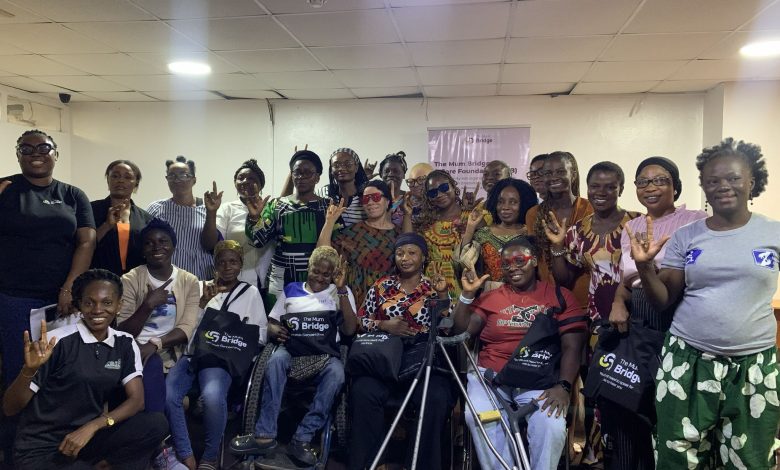
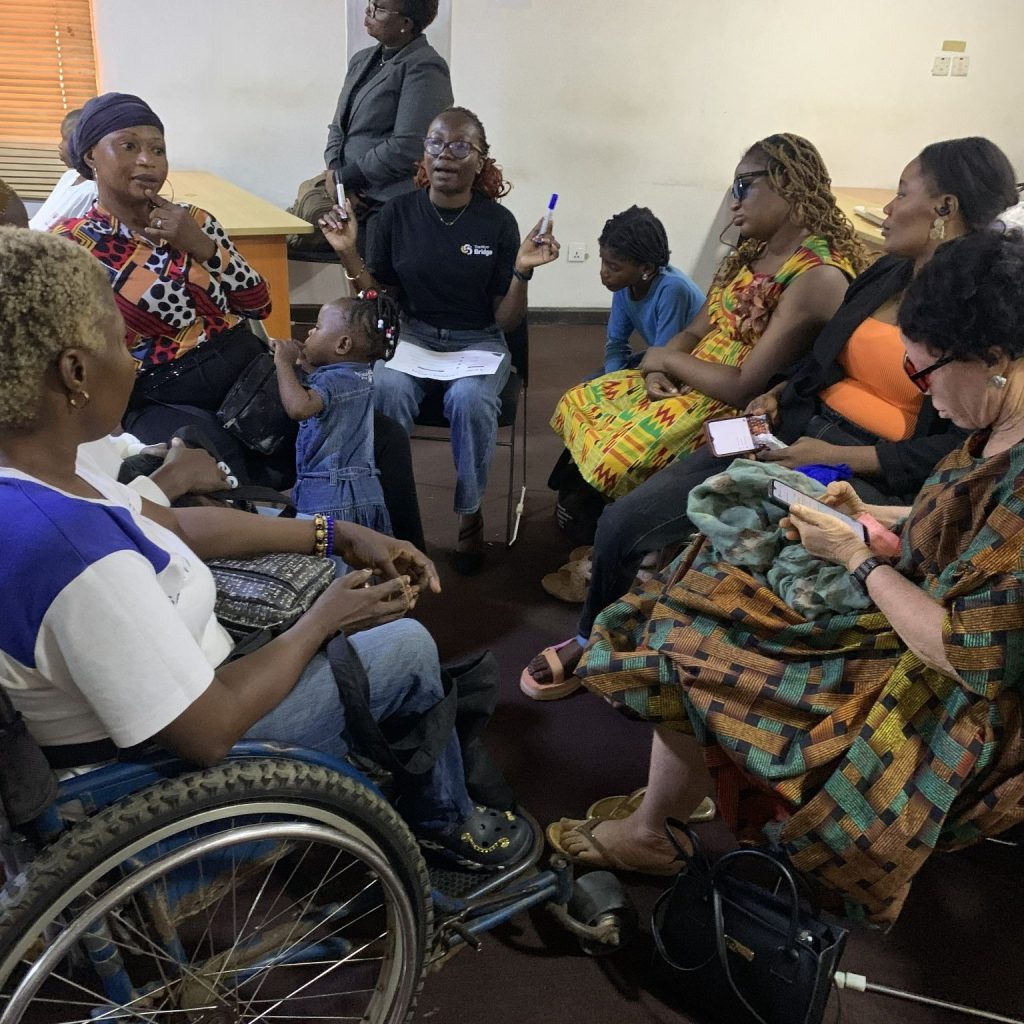
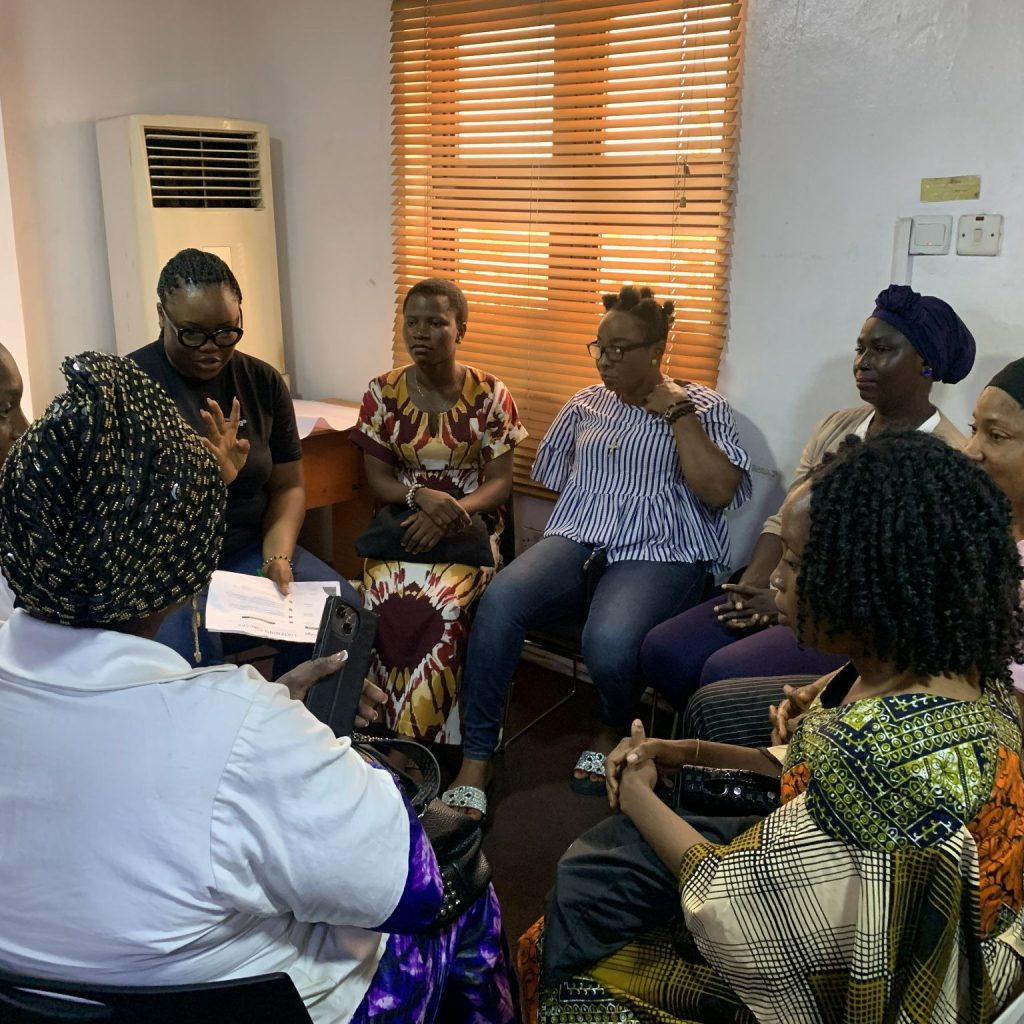
Mothers with disabilities gathered at the LCCI Conference & Exhibition Centre in Ikeja, Lagos, on May 14, 2026, for The Mum Bridge’s Listening Circle. The Mum Bridge is a growing community for mothers with disabilities in Nigeria. The organisation is focused on providing emotional support and access to resources for women navigating motherhood and disability.
In Nigeria, about 7.5% of women aged 15 and older live with some functional difficulty. Held under the theme, “Connect. Share. Be Heard. Grow Together,” the event created a safe and inclusive environment where participants openly discussed their challenges, support systems, and personal experiences.
Chairperson of The Mum Bridge, Soyemi Adedotun, told Naija Feminists Media (NFM) that the event was important to ensure women have opportunities to network and reduce their social isolation.
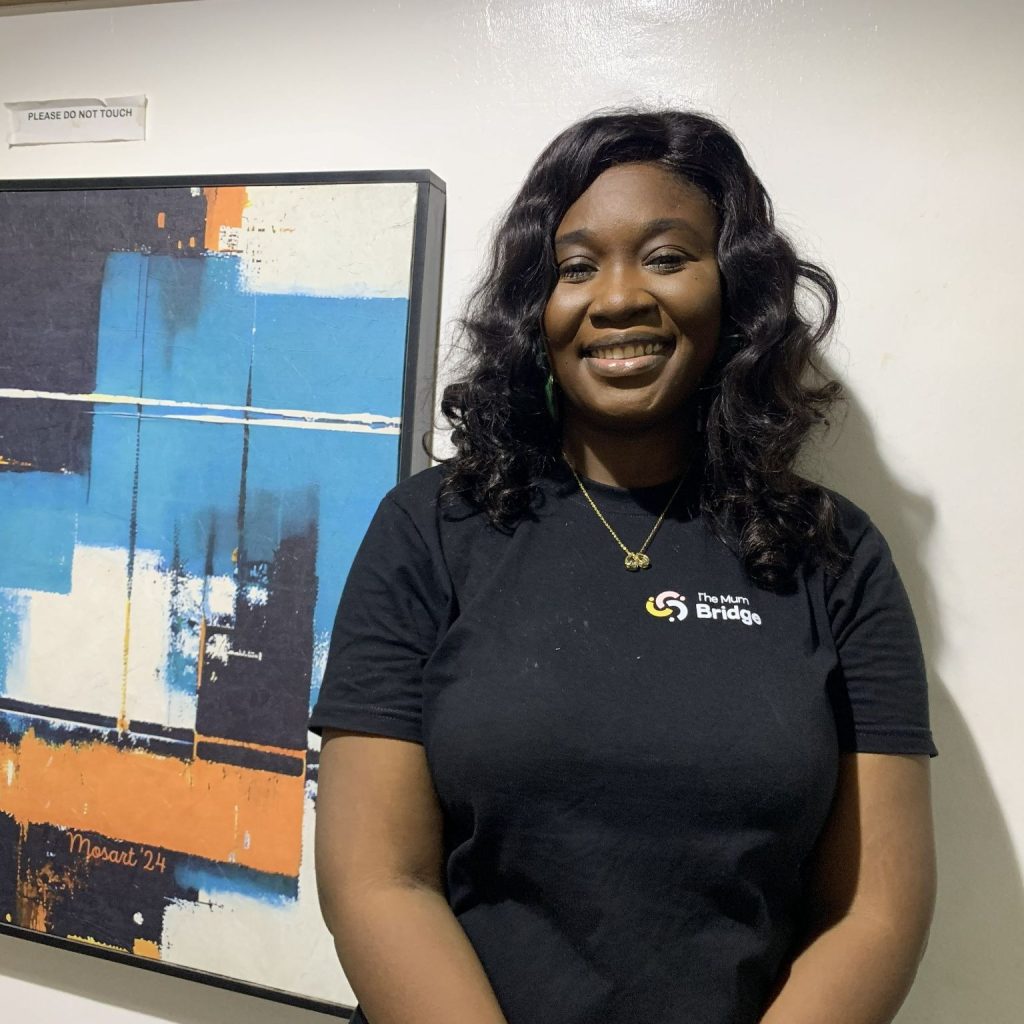
“One of the things that we have noticed is that with moms with disabilities, isolation is almost inevitable and very dangerous. We have been engaging with them virtually, and we have our storytelling series, but we wanted the mom to come out, to meet, to talk to each other, to make friends and come out of their shell,” Soyemi said.

During the event, participants shared their struggles, including the discrimination and stigmatisation they face both by relatives, strangers, health care workers, and logistics providers. Women who are hard of hearing complained that Nigeria’s healthcare system is not inclusive, and they rarely use language interpreters, making them miss important updates.
When it comes to childbirth, they lamented that some practitioners do not fully understand their needs due to a lack of sign language interpreters, endangering their health and mortality rates. They also noted that they are often made to undergo a caesarean section because they do not want to take the time to communicate with them during delivery.
Participants who are hard of hearing also recalled insensitive remarks by health care workers who talked down to them when they couldn’t hear clearly what they were being told. They noted that this often affects their mental health. They further complained that sometimes health care workers use their children as interpreters rather than taking the time to communicate with them, which they find unethical and unprofessional.
Speaking about the discrimination they face with logistics providers, participants lamented that staff of Lagos Bus Rapid Transit (BRT) buses sometimes are not aware of the provisions made for people with disabilities in the Disability Act. So, they do not prioritise them while in the queue. They noted that sometimes they are delayed for more than two hours or told to wait for another transport due to their disabilities.
On the discrimination they face from relatives, some of the mothers lamented that their children were taken away from them upon childbirth, saying they wouldn’t be good mothers. Others complained that their partners have abused and abandoned them due to their disability, making them leave their marriages, and essentially becoming single moms.
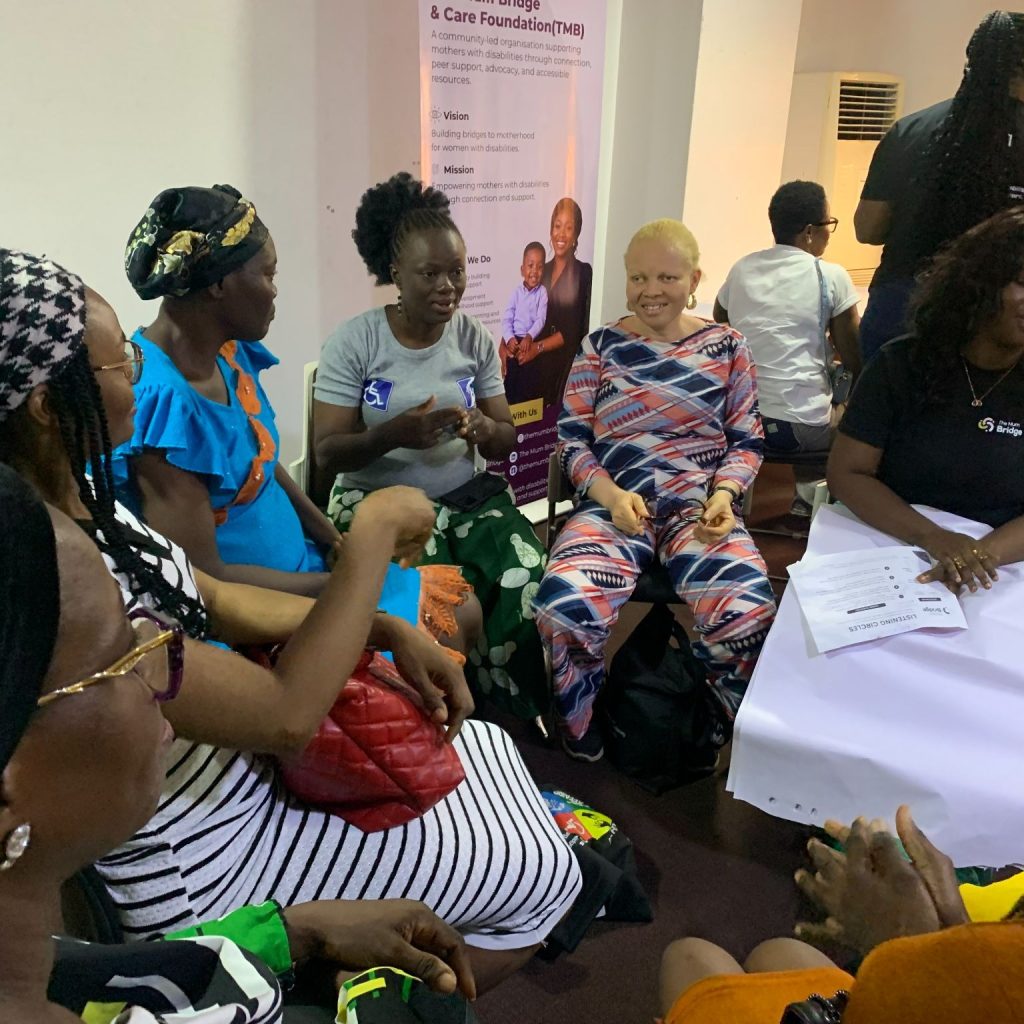
Participants complained that, beyond suffering discrimination from public sector workers and relatives, they are stigmatised by strangers. They highlighted that strangers believed they must have lived an unhealthy lifestyle that must have caused their disabilities.
In regards to unemployment, some of the women lamented not being employed due to discrimination in the workplace. Precious Whyte, a woman with visual impairment, told Naija Feminists Media that she can use her phone and laptop to work despite her visual impairment, because the devices have inclusive features.
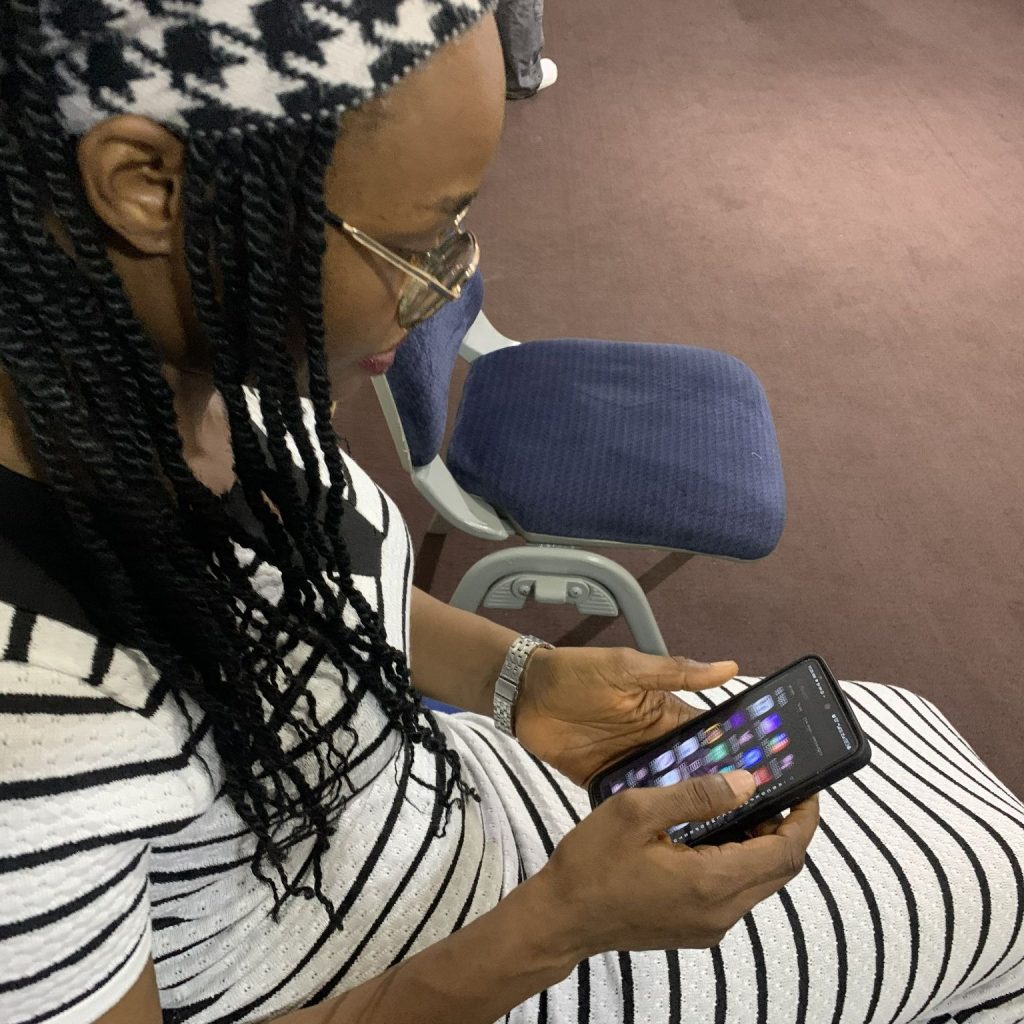
“We need to provide for our families and contribute to livelihood. So, we need jobs, especially flexible ones,” Precious said. “There is nothing that a person with a lack of visual impairment can do that I can’t do. I can work and use devices perfectly.”
Speaking to the participant in a session titled: emotional grounding, recognising personal burdens, mapping support systems, a Clinical Psychologist at The Lagos State University Teaching Hospital, Favour Amaka Chukwuma, told the mothers to let go of grudges they might have held because of those who hurt them, so they can be emotionally free.
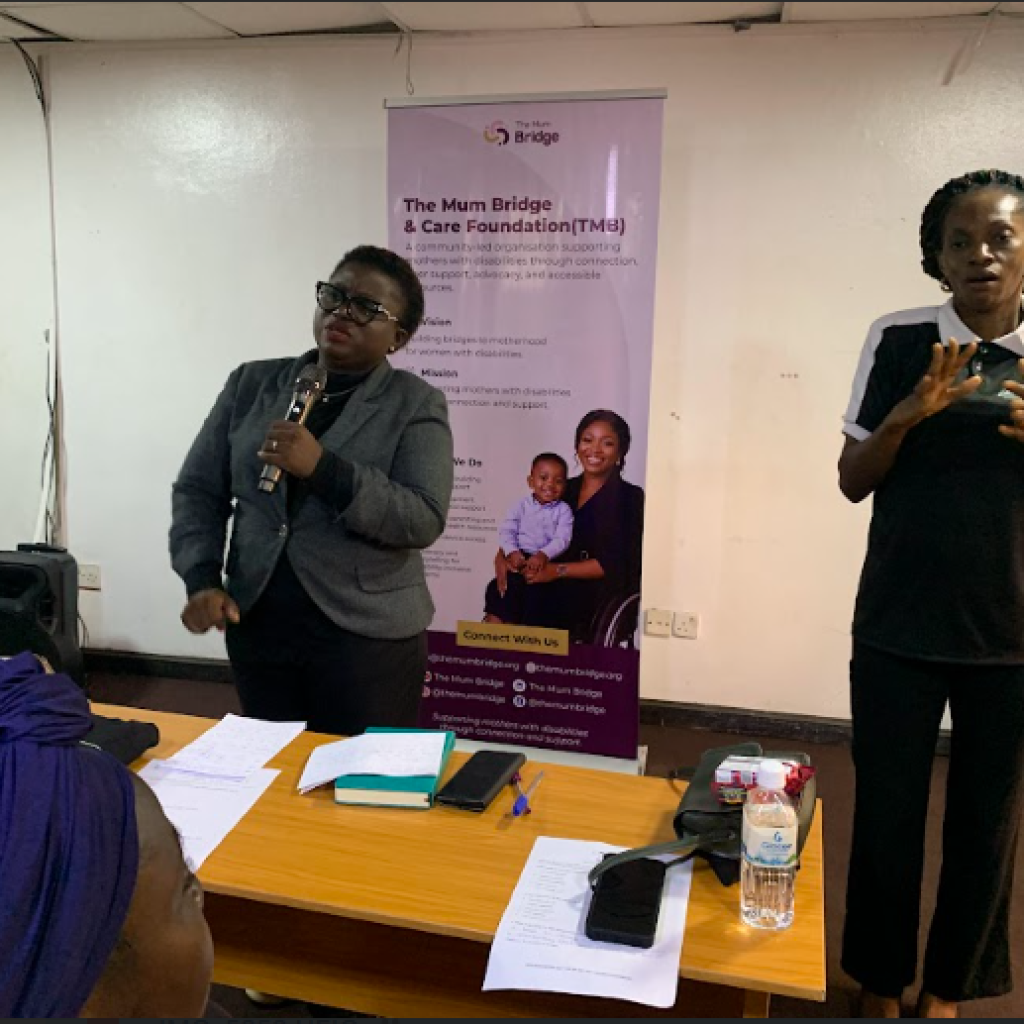
The medical professional further urged them not to internalise stigmatisation, and to see their disabilities as “unique abilities.” She advised them to focus on personal growth and keep showing up for themselves and society.
As the events came to a close, participants shared the changes they would like to see in society to safeguard the rights of people with disabilities, including mothers with disabilities. They urged the government to create a policy that recognises the needs of mothers with disabilities, and to make legislation that caters to their health and that of their children.
They further urged for strong sensitisation in society, and training on available policies for logistics personnel to facilitate the easy movement of people with disabilities. Additionally, they ask for a strong mechanism for the implementation of the Disability Act, so that all provisions are fully implemented, including employment.
To improve employment opportunities for mothers with disabilities, Naija Feminists Media connected the Mum Bridge with Misty Glam Company, an inclusive modelling agency, so that mothers in the community interested in modelling could have a chance at one.
Founder of The Mum Bridge circle, Solace Olabode, who started the organisation based on her lived experience being a mom and hard of hearing, promised that the listening circle would shape their programmes for the rest of the year.
“We have a lot of programmes planned for the rest of the year, and we don’t want to do it without involving the mums we made this for, and that is why this event is very important,” Solace said.
She also promised that the organisation would host such circles regularly. Additionally, she noted that the organisation will host a party sometime in the year, so that participants can deepen their connection and show event planners how parties can be made inclusive.
Participants at the programme told Naija Feminists Media that the listening circle was very impactful for them. They shared that it has helped them see that they are not alone in their struggles, and it has reduced their sense of isolation. They expressed hope for brighter days with organisations like The Mum Bridge catering to their needs.