IWD 2026: AAN President Dr Bisi Urges Inclusive Approach to Address Discrimination Against Women and Girls with Disabilities
|
Getting your Trinity Audio player ready...
|
Summary: To mark International Women’s Day, Bisi Bamishe, president of the Albinism Association of Nigeria, called for more inclusive policies in Nigeria that address the unique discrimination and barriers faced by women and girls with disabilities, particularly those living with albinism.
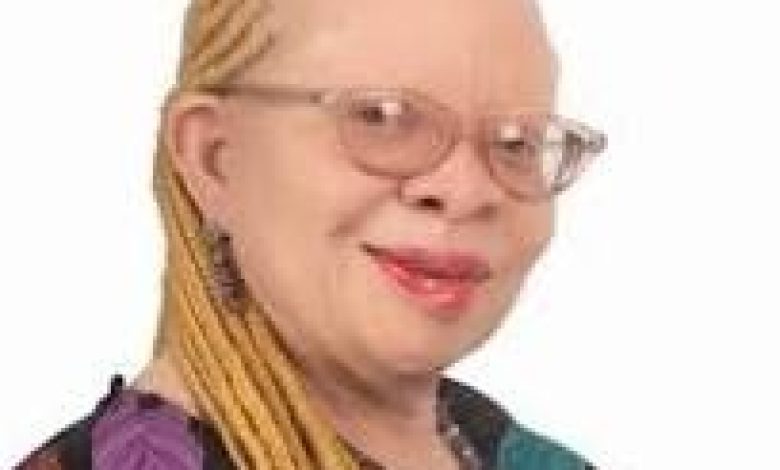
The Albinism Association of Nigeria (AAN) has called for a more inclusive and comprehensive approach to addressing women’s issues in Nigeria, with particular attention to women and girls with disabilities.
To mark International Women’s Day, the National President and executive director, Dr. Bisi Bamishe, said in a statement that women with disabilities continue to face multiple layers of discrimination, including social exclusion, poverty, and limited access to essential services.
She noted that while many women already carry significant social and economic responsibilities as caregivers and contributors to national development, women with disabilities often experience additional challenges that require deliberate policy attention.
Dr. Bisi also highlighted the situation of women and girls living with albinism, who she said frequently encounter stigma, harmful stereotypes, and barriers to healthcare, education, and economic opportunities.
“As a woman and a person with albinism, I understand firsthand the challenges that come with navigating society under these circumstances,” she said.
According to the AAN president, many people with albinism also face health risks associated with sun exposure due to limited access to dermatological care and protective products. She urged government institutions, civil society organisations, development partners, and the media to strengthen efforts toward inclusive policies and programs that support women and girls with albinism.
Dr. Bamishe also called for increased public awareness to challenge myths and misconceptions surrounding albinism, alongside initiatives that promote inclusive education and economic empowerment. She added that building a just and equitable society requires ensuring that the rights and voices of all women, including those with disabilities, are recognised and protected.