|
Getting your Trinity Audio player ready...
|
Summary: Angel Nduka-Nwosu, writer, editor, and founder of The Emecheta Collective, speaks about her work building feminist communities and supporting women through storytelling, art, and collective spaces.
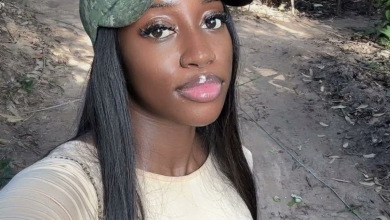
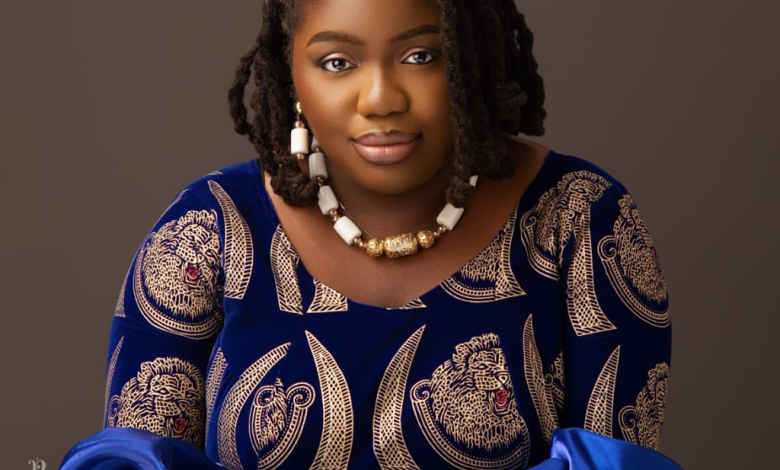
Angel Nduka-Nwosu is a writer, editor, and journalist who currently serves as the Editorial Lead at More Branches. She is also the founder and community manager of The Emecheta Collective, a women-only feminist community that centres connection, learning, and solidarity among women.
Beyond journalism and editing, Angel works across several creative fields. She is a documentary researcher, performance poet, public speaker, and stage actor. She also contributes writing to Urban Woman Magazine and runs a catering business, Aviazu’s Kitchen.
In this conversation with Naija Feminists Media, she speaks about building feminist communities, the importance of storytelling and artistic expression, and how women can create networks that support both personal growth and collective empowerment.
Insights from Angel Nduka-Nwosu on Feminist Community, Creativity, and Women’s Empowerment
- When and how did you personally come to feminism? Was there a moment, experience, or process that shaped your feminist consciousness?
Honestly, I would say I have always had a spirit that questioned things. In primary school, I hated that debate topic, “Who is more important in the home: Father or mother?” One of my earliest memories is of telling whoever could hear that boys only won that debate because the judges were male. I have always questioned, and I watched a lot of Nollywood movies growing up. From there, I picked early on that women were not given the same dignities given to men. But what I consider my main feminist awakening happened in 2013 when I experienced gender based bullying and physical assault from a boy in my class. The insistence of everyone in my class that I let it go made me wonder why. That wondering led me to read a lot more (I read a lot growing up, and I still do). In that reading, I discovered Chimamanda Adichie’s speech and everything made even more sense.
- What issues affecting women and girls are you most focused on right now, and why do you believe these issues require urgent attention?
My main focus now as a feminist is creating safe spaces where women can unburden their trauma and also get career opportunities to improve their finances. I’m very big on financial independence and women being equipped with the tools to carry themselves with confidence, power and agency. I am also interested in more women having an adequate knowledge of body autonomy.
I want women to know that sex is not something to be endured and that we must be vocal about protecting our sexual and bodily interests when having sex with men. I also care about women getting comfortable with solitude, even if we may desire romance, because I’ve seen a lot of women tolerate nonsense because they are afraid of being alone.
- From your perspective, which law, policy, or systemic change should be prioritised to improve the lives of women and girls, particularly in Nigeria?
We need more laws that address women’s autonomy regarding reproductive justice. Abortion is still legally restricted in Nigeria, and that endangers a lot of Nigerian women. I also want more convictions for rape offenders and stronger labour laws that protect the workplace interests of women and nursing mothers. Honestly, we need a total overhaul of any system that disadvantages women and girls, such that women can go to the markets and not experience catcalling.
- What does feminist solidarity and collective action look like to you, and what message would you like to share with younger feminists?
Feminist solidarity to me looks like thinking of women first for opportunities and being a plug for the women around you. To younger feminists, I would say don’t idolise any older feminist. You can learn from them, but know that your own voice is also important and that they, too, are human and can be wrong.