Summary: A science and health communicator, journalism lecturer, and media practitioner based in Zimbabwe speaks on reproductive health misinformation, media literacy, and building feminist movements rooted in access to information and collective action.
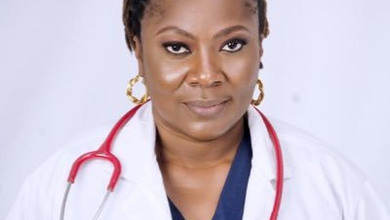
Fungai Mutimodyo is a science and health communicator, journalism lecturer, and media practitioner based in Zimbabwe whose work sits at the intersection of public health, storytelling, and education.
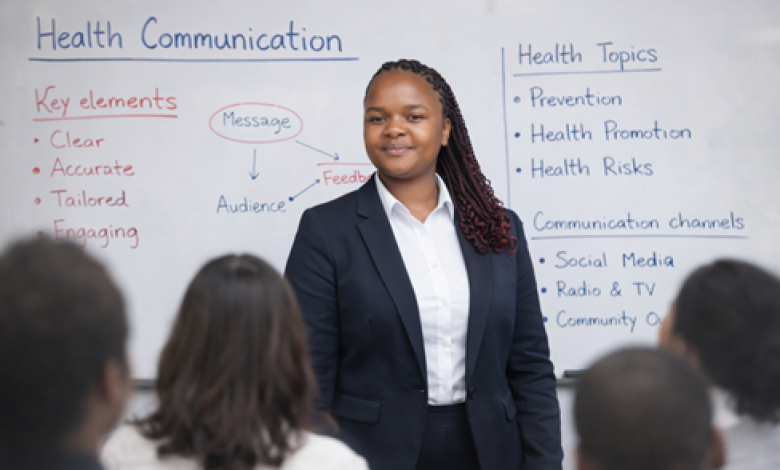
Through digital platforms, community engagement, and the classroom, she simplifies complex health and scientific information to make it accessible to everyday people, particularly young people and communities excluded from technical conversations.
In a conversation with Naija Feminists Media, Fungai reflects on women’s health, how journalism and teaching shaped her feminist consciousness, and what solidarity looks like in practice.

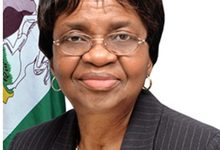
Insights on Reproductive Health, Media Literacy, and Feminist Solidarity
- When and how did you personally come to feminism? Was there a moment, experience, or process that shaped your feminist consciousness?
My journey into feminism was not a single moment but a gradual process shaped by both personal experiences and professional exposure. Growing up and later working in media and academia, I became increasingly aware of the structural inequalities that affect women and girls, particularly in access to education, healthcare, and opportunities for leadership.
Working in journalism exposed me to stories where women’s voices were often underrepresented or misrepresented, especially in health reporting. I saw how misinformation disproportionately affected women, particularly in areas like reproductive health and family planning.
This made me realise that feminism, for me, is deeply connected to access to information and the right to make informed choices about one’s body and life.
Teaching also played a role in shaping my feminist consciousness. Engaging with young people, especially female students navigating societal expectations, highlighted the importance of mentorship, representation, and safe spaces. Over time, feminism became not just an identity, but a framework through which I approach my work and advocacy.
- What issues affecting women and girls are you most focused on right now, and why do you believe these issues require urgent attention?
My current focus is on health communication, particularly around reproductive health, mental health, and the fight against misinformation. Women and girls are often the most affected when health information is unclear, inaccessible, or stigmatised.
In many communities, conversations around reproductive health are still surrounded by silence and cultural barriers. This lack of open dialogue leads to misinformation, unsafe practices, and limited access to services. Mental health is another critical area—many women carry emotional and psychological burdens that are rarely acknowledged or addressed due to stigma.
I also focus on media representation and literacy. In an era of digital information, women and girls need the tools to critically engage with what they consume and share. Misinformation can have serious consequences, particularly in health-related matters. These issues require urgent attention because they directly affect women’s autonomy, well-being, and ability to participate fully in society.
- From your perspective, which law, policy, or systemic change should be prioritised to improve the lives of women and girls, particularly in Nigeria?
A key priority should be strengthening policies around access to accurate, youth-friendly health information and services. It is not enough to have policies in place; implementation and accessibility are what truly matter. Governments and institutions need to invest in communication strategies that ensure health information reaches people in languages and formats they understand.
Additionally, there should be stronger integration of media literacy and health education into school curricula. This would equip young people, especially girls, with the knowledge and confidence to make informed decisions.
On a systemic level, there is also a need to support women in media and leadership positions. Representation influences whose stories are told and how they are told. When women are included in decision-making spaces, policies and narratives are more likely to reflect their realities and needs.
- What does feminist solidarity and collective action look like to you, and what message would you like to share with younger feminists?
Feminist solidarity, to me, is about intentional support, collaboration, and amplifying each other’s voices. It means recognising that our struggles are interconnected and that progress is stronger when it is collective. It also involves creating inclusive spaces where different experiences and perspectives are valued.
Collective action can take many forms—from advocacy campaigns and community education to mentorship and storytelling. In my work, it looks like using media and education as tools to empower others, while also learning from the communities I engage with.
To younger or emerging feminists, I would say: your voice matters, even when it feels small. Start where you are, with what you have. Feminism is not about perfection; it is about commitment to gender justice and equality. Stay informed, stay curious, and do not underestimate the impact of your work, especially in spaces like communication and education, where change often begins with a conversation.