|
Getting your Trinity Audio player ready...
|
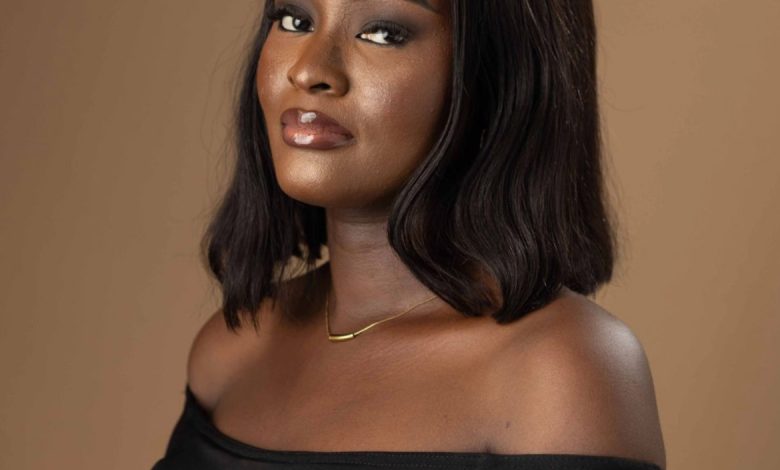
Summary: Mojolaoluwa Akin-Adeboye, a tech sales professional and feminist, speaks on owning your voice, showing up boldly in male-dominated spaces, and encouraging women to challenge misogyny with confidence.
Mojolaoluwa Akin-Adeboye is a tech sales professional who believes in using her voice and showing up fully in every space she enters. Working in an industry where women remain underrepresented, she sees her presence as both personal and political, a deliberate act of visibility in a fast-moving, male-dominated field. Grounded in values of fairness, respect, and intentional relationship-building, she is as committed to creating opportunities for others as she is to her own growth.
In this conversation with Naija Feminists Media, she shares a feminist identity that was lived before it was named, the confidence her mother helped build, and why she believes bold women are essential to changing how society treats women and girls.
Insights from Mojolaoluwa Akin-Adeboye on: Women Taking Up Space
- When and how did you personally come to feminism? Was there a moment, experience, or process that shaped your feminist consciousness?
To be honest, I don’t think there was one dramatic moment. I’ve always felt a little different, and over time I realised that difference was actually a strength. I naturally questioned things, spoke my mind, and didn’t always fit neatly into expectations—and instead of fighting that, I leaned into it.


A big part of that confidence came from my mum. She made me feel like being “weird” was okay, even special. She gave me the freedom to be myself without shame, and that foundation helped me trust my instincts and my voice. Because of that, embracing feminism didn’t feel like a sudden discovery—it felt like putting a name to something I had already been living.
So my feminist consciousness wasn’t born from one event, but from a process: growing up feeling different, being encouraged to own that difference, and eventually realising that believing in equality, self-expression, and women taking up space is exactly what feminism is about.
- What issues affecting women and girls are you most focused on right now, and why do you believe these issues require urgent attention?
I may not have one specific issue yet, but I care deeply about helping women be bold enough to challenge misogyny and stand up for themselves. I believe this matters now because the way women are treated still shapes their safety, confidence, and future—and I want to be part of changing that.
- From your perspective, which law, policy, or systemic change should be prioritised to improve the lives of women and girls, particularly in Nigeria?
As a feminist, I believe women deserve equal opportunities, visibility, and respect in every industry, especially in spaces like tech where women are still underrepresented. I see my presence in tech sales as part of that progress. I speak up, own my achievements, and aim to lead by example—showing that women can succeed, lead, and thrive without compromising who they are.
- What does feminist solidarity and collective action look like to you, and what message would you like to share with younger feminists?
I am a woman who believes in using my voice and showing up fully in every space I enter. I value fairness, respect, and growth, and I’m intentional about building relationships and creating opportunities—not just for myself, but for others around me.