|
Getting your Trinity Audio player ready...
|
Summary: Moyosoluwa, a lawyer and freelance writer, speaks on small dream syndrome, benevolent misogyny, the gap between law and justice in Nigeria, and why every woman deserves to believe in her own capacity.
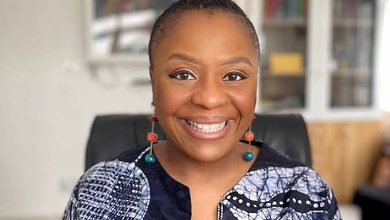
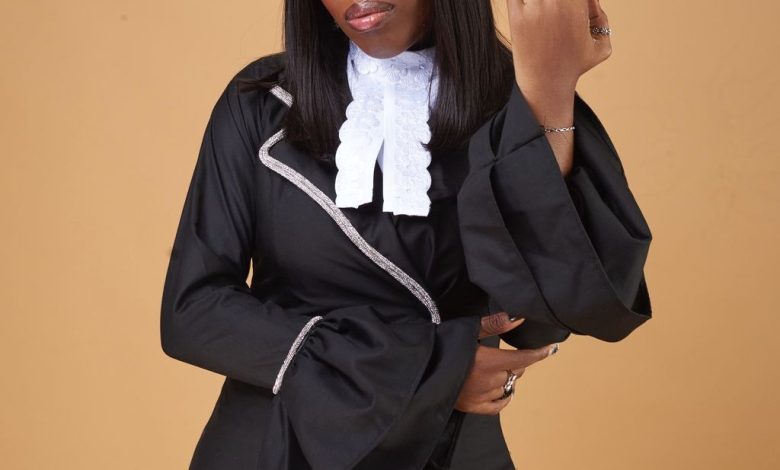
Moyosoluwa Odunuga is a lawyer and freelance writer who crafts fiction and nonfiction from short stories to full books for clients across genres. Outspoken and analytical by nature, she has always questioned the structures that assign worth and opportunity based on gender.
Born and raised in Nigeria, she recognised early that she was living in a patriarchal society and made a deliberate choice never to accept it. In this conversation with Naija Feminists Media, she speaks on a feminist consciousness she traces back to childhood, the quiet danger of women dreaming small, and why loud consequences for offenders matter more than updated laws.
Insights from Moyosoluwa on Small Dream Syndrome, Legal Accountability, and Feminist Solidarity


- When and how did you personally come to feminism? Was there a moment, experience, or process that shaped your feminist consciousness?
I was a feminist at birth, to be honest. Even when I didn’t understand what feminism was about, I was always very questioning about gender roles. Why was it a housewife, not a house husband? Why was a man the crown of a woman?
Why did men not cook as often as women? I was very outspoken and argumentative, and it’s one of the reasons my parents wanted me to be a lawyer. I don’t think it was one experience that shaped my views. I was born in Nigeria, and I quickly realised there was a “better gender.”
People celebrated the birth of a male child and pitied a woman with only girls. Though my mum was very forward-thinking, I realised that she was actually the odd one out. So I always knew that I was in a patriarchal society, and I never accepted it.
- What issues affecting women and girls are you most focused on right now, and why do you believe these issues require urgent attention?
While we still have a lot of serious issues to fix, from things like female genital mutilation to child marriage, I’m glad we are making progress on those. I want to highlight something that bothers me in particular.
It is what I’ll call small dream syndrome. I think women and girls need to dream more about things they can do for themselves. Reality can be limiting, so why limit your dreams, too? I find that a lot of women who have dreams still limit them to a man or partner.
You want 10m, but you imagine a man giving you the money and not your business or talent earning it? I think we need to start letting young girls know that benevolent misogyny is not the way out.
You can actually do things yourself. You don’t need to be dependent on a man. It bothers me seeing girls with so much talent or potential not do things for themselves because they are waiting for a man. For me, this requires urgent attention because I believe that if you believe certain things can only come from a man or a gift, you will never strive to achieve them yourself.
- From your perspective, which law, policy, or systemic change should be prioritised to improve the lives of women and girls, particularly in Nigeria or your community of work?
Nigeria is a very misogynistic country. To be honest, we have a lot of things that require change. While a lot of laws have changed on paper, there still haven’t been much societal change. I think what is important to me is seeing actual punishment for offenders.
We have high cases of gender based violence, but women who report are advised to forgive even at the police station. I think if the government really cares about women, they need to make sure consequences are loud. It is not just about updating the law, implementing it, and actually punishing offenders.
- What does feminist solidarity and collective action look like to you, and what message would you like to share with younger or emerging feminists?
Feminist solidarity looks like people standing up for Ochanya and later for Simi as misogynistic men tried to run her off Twitter. To young feminists, I’ll say ignore the noise. You deserve equality, and the fight is important to make sure we don’t regress. You’re doing something important. To those who aren’t feminists, all I can say is: Well, you should be!