The Price of a Traditional Wife in ‘A Good Name’
|
Getting your Trinity Audio player ready...
|
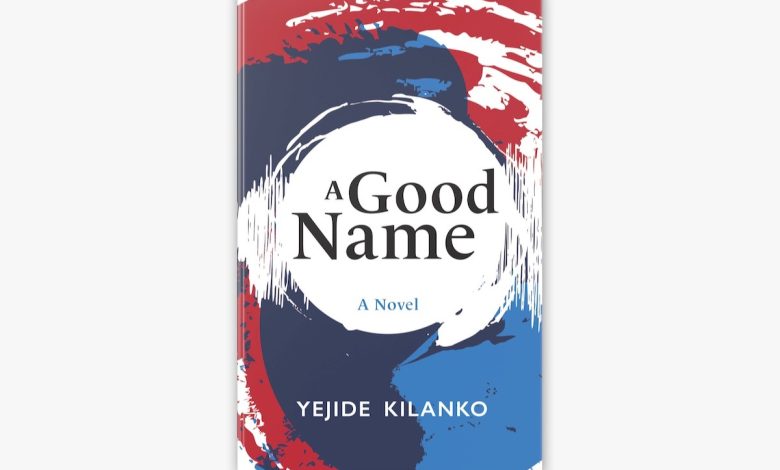
Summary: A Good Name is a gripping contemporary fiction novel by Nigerian-born author Yejide Kilanko. The narrative follows the life of Zina, an ambitious 18-year-old with dreams of her own who is coerced into an arranged marriage with an older man, Eziafa Okereke. It explores the themes of arranged marriage, patriarchy, domestic violence, women’s resilience, the world of the Black woman immigrant experience, and the heavy burden of cultural expectations.
When men abuse women, they do it without an iota of remorse or a guilty conscience. They would rather protect their authority and save face. So, abuse of women does not occur in a designated area or foreign spaces. It commonly occurs in the least expected places and very familiar unions. Once again, Yejide swerved readers with another heartbreaking story of abused women. She intentionally spotlighted domestic abuse in Africa’s most revered union – marriage.
A Good Name is a gripping contemporary fiction novel by Nigerian-born author Yejide Kilanko. It was published in 2021 and has been praised by readers as a feminist literature that joined the cohort of novels like “Joys of Motherhood, So Long A Letter, and Second Class Citizen.” This is because it challenges the patriarchal structures that seek to control women’s lives. It is also an emotionally charged story that explores themes of arranged marriage, patriarchy, domestic violence, women’s resilience, the world of the Black woman immigrant experience, and the heavy burden of cultural expectations.
The narrative follows the life of Zina, an ambitious 18-year-old with dreams of her own who is coerced into an arranged marriage with an older man, Eziafa Okereke. After living in America for twelve years with little financial success to show for it, Eziafa yields to his mother’s pressure to return to Nigeria and find a traditional wife.


A woman he can mould to his taste, subjugate, and then take back to Houston to be at his beck and call. Significantly, this marriage is deeply aligned with the novel’s title, offering a deeper meaning. While the African culture suggests that a good name is better than gold. It’s built on women’s silence and sacrifice. Just like Zina was forced into an arranged marriage with an older man. In essence, it serves as the foundation for the novel’s exploration of how patriarchal authority uses reputation as a weapon of control.
For Zina’s family, giving her to Eziafa secures their good name and aligns them with an American-based man, regardless of her consent. For Eziafa: A good name is synonymous with being a big man with a submissive, professional wife. The irony of this superficial good name is a marriage that is morally bankrupt and violent behind closed doors. Moreover, Eziafa doesn’t seek a partner; he seeks an investment and a path to his big man dream.
He specifically chooses an 18-year-old because he believes she will be easier to mould. This reflects a patriarchal system that fears female maturity and independence. This patriarchy in the book is upheld not only by men, but by older women (like Eziafa’s mother) who pressure their sons to find traditional wives, perpetuating a cycle where young women’s dreams are sacrificed for domestic stability. This coerced marriage reveals the dire consequences of patriarchal logic – women are viewed as clay rather than humans.
After they move to Houston, Zina begins training as a nurse, which Eziafa initially supports as a way to improve their financial situation. But as Zina gains education and independence, their marriage becomes increasingly turbulent. Eziafa, threatened by her growth and desperate to maintain control, attempts to clip her wings, leading to a series of domestic violence and abuse. This highlights how male authority relies on coercion rather than respect. Clearly, his authority was established through the coercion of an arranged marriage (rather than a mutual bond). Thus, he feels his only tool to maintain that authority as she grows is physical and emotional abuse.
In conclusion, A Good Name serves as a harrowing indictment of a patriarchal system that prizes the preservation of a good name over the literal lives of women. Zina’s murder is not an isolated act of one man. It is the collective act of a culture that grants men absolute authority while demanding female submission. The tragedy reveals that when a man’s identity is built entirely on authority and control, the woman becomes the punching bag, as symbolised in Zina’s character.
Yejide’s novel leaves readers with a chilling feminist truth: domestic violence is the inevitable byproduct of a world where a man’s pride is given more weight than a woman’s pulse. The good name the society so desperately sought is always written in women’s blood. This proved that domestic violence and femicide thrive more in a society that prioritises men’s authority and control. This might be the reason why femicide is still a major challenge and concern in a patriarchal society like Nigeria.